The internet has opened doors that many Ugandans are just beginning to walk through. While some people still think you need a fancy office job or a big capital investment to earn a decent income, thousands are quietly building their financial freedom from their smartphones and laptops. Two of the most accessible paths? Blogging and YouTube.
If you’re reading this, chances are you’ve wondered whether make money online Uganda opportunities are real or just another internet myth. The truth is simpler than you think: with consistency, creativity, and the right guidance, you can turn your ideas, skills, or passions into actual income. Whether you want to share cooking tips, tech reviews, local news commentary, or personal finance advice, there’s an audience waiting for your voice.
This guide walks you through everything you need to know about how to make money blogging and how to make money on YouTube as a beginner in Uganda. No fluff, no jargon just practical, step-by-step advice you can start applying today.
What is Blogging and YouTube?
Let’s start with the basics.
Blogging is the practice of writing and publishing articles on a website. Think of it as your personal magazine or newspaper that lives online. You pick topics you care about or know well, write helpful or entertaining content, and share it with the world. Over time, as people discover your blog through search engines or social media, you can earn money through ads, product recommendations, or sponsored content.
YouTube, on the other hand, is a video-sharing platform where creators upload videos on virtually any topic. Instead of writing, you’re talking directly to your audience through video. You might record yourself cooking, teaching math, reviewing gadgets, or sharing your daily life. Once you build an audience, YouTube pays you for ads shown on your videos, and you can earn extra through brand partnerships or affiliate sales.
Both platforms work on the same principle: create valuable content that attracts an audience, and monetize that attention. The beauty? You don’t need a degree, an office, or even a laptop to get started. A smartphone, internet connection, and willingness to learn are enough.
Benefits of Making Money Online Through Blogging and YouTube
Why should you consider content creation as a way to earn money online Uganda 2025? Here are some compelling reasons:
Low startup costs. Unlike opening a shop or starting a traditional business, blogging and YouTube require minimal investment. You can start a blog for as little as UGX 50,000 per year or launch a YouTube channel for free using just your phone.
Flexible schedule. You work when you want, where you want. Whether you’re a student, parent, or someone with a day job, you can create content in your spare time and build it into something bigger over months or years.
Multiple income streams. Once your content gains traction, money can come from different sources: ad revenue, affiliate commissions, sponsored posts, digital products, and more. You’re not limited to one paycheck.
Skills that pay forever. The skills you learn writing, video editing, SEO, audience building are valuable across many industries. Even if you eventually move on from blogging or YouTube, these skills open doors to freelance work, consulting, or marketing jobs.
Global reach with local relevance. You can create content specifically for Ugandans while still being discovered by audiences in Kenya, Tanzania, Nigeria, or even the UK and US. This gives you access to international affiliate programs and sponsorships that pay in dollars.
The rise of remote work and digital entrepreneurship in Uganda isn’t slowing down. As more businesses recognize the value of online presence, content creators are becoming essential voices in their communities. Explore more about theseonline opportunities shaping Uganda’s digital economy.
How to Start a Blog in Uganda
Ready to start your blogging journey? Here’s how to go from zero to published content, even if you’ve never written a blog post before.
4.1. Choosing a Blog Topic That Sells
Your blog topic or niche is the foundation of everything. Pick something too broad, and you’ll struggle to stand out. Pick something too narrow, and you won’t have enough to write about.
The sweet spot? A topic that:
You genuinely care about or know well
People in Uganda (or beyond) are actively searching for
Has potential for monetization
Popular niches include personal finance, health and fitness, technology reviews, farming and agriculture, beauty and fashion, travel within Uganda, recipes and cooking, and career advice.
Think about problems you’ve solved or questions you get asked often. If friends always ask you for smartphone recommendations, consider a tech review blog. If you’ve successfully saved money on a tight budget, personal finance might be your lane.
Don’t overthink this step. You can always adjust your focus as you learn what your audience responds to.
4.2. Selecting a Blogging Platform
Two main options dominate for beginners:
Blogger (free, owned by Google): Perfect if you want to start immediately without spending money. You get a free subdomain like yourname.blogspot.com, basic templates, and simple tools. However, you’re limited in customization and monetization options.
WordPress.org (self-hosted): The professional choice used by serious bloggers worldwide. You own your content completely, can add unlimited features through plugins, and have full control over monetization. The trade-off? You need to pay for hosting (around UGX 50,000-150,000 annually through local providers).
For beginners testing the waters, start with Blogger. If you’re serious about building a long-term income, invest in WordPress from day one. The small upfront cost pays off quickly once you start monetizing.
4.3. Setting Up Domain and Hosting on a Budget
If you choose WordPress, you’ll need two things:
A domain name (your blog’s address, like yourblog.com): Buy this from local registrars like Uganda Domains or international ones like Namecheap. Cost: UGX 40,000-80,000 per year.
Web hosting (where your blog lives online): Companies like Hostnli, Truehost, or international options like Hostinger offer affordable plans starting at UGX 50,000-100,000 yearly for beginners.
Some hosts even bundle domain and hosting together for your first year. Look for deals around UGX 100,000 total to get started.
Can’t afford this right now? Start on Blogger for free, build your skills and audience, then migrate to WordPress when you start earning. Many successful Ugandan bloggers took this path.
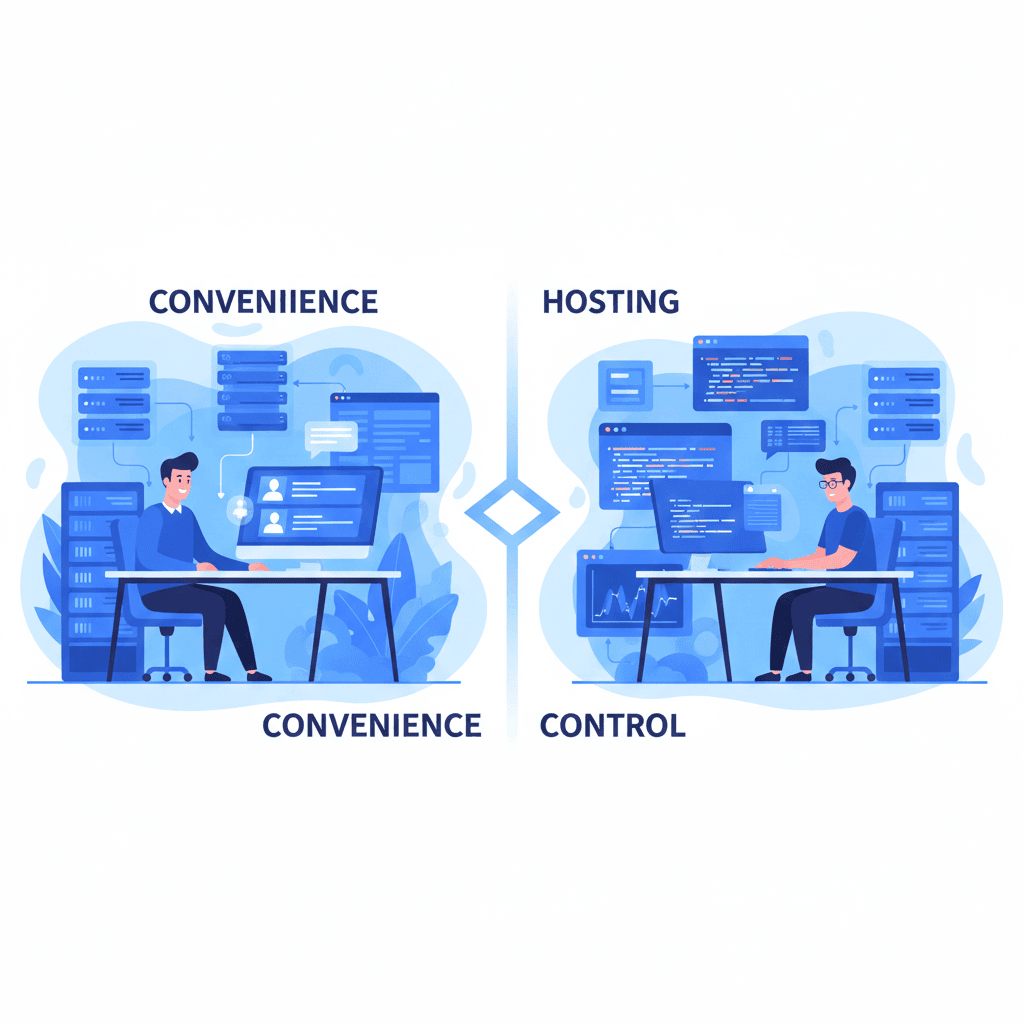
For those technically inclined and looking to minimize costs further, you can explore hosting a blog on your own computer, though this comes with its own challenges and learning curve.
4.4. Writing Content That Attracts Readers
Content is king, as they say, but helpful content is emperor.
Your goal isn’t to write perfectly it’s to write clearly and solve problems. Answer questions your target audience is Googling. Share personal experiences that teach lessons. Review products honestly. Break down complex topics into simple steps.
Practical writing tips:
Write like you’re talking to a friend over tea
Keep paragraphs short (2-4 sentences max)
Use subheadings to break up your text
Include bullet points and numbered lists for easy scanning
Add images or screenshots to illustrate points
Aim for 1,000-2,000 words for in-depth articles
Search engines love comprehensive content, but readers love content they can actually use. Balance depth with readability.
Blog SEO basics: Include your target keywords naturally in your title, first paragraph, subheadings, and throughout the post. Use related terms and synonyms (those LSI keywords) to show search engines what your post is about. Link to other relevant posts on your blog and to authoritative external sources.
Consistency matters more than perfection. Publishing one solid post per week beats publishing five rushed posts once a month.
4.5. Monetization Options
Google AdSense remains the most common starting point for blogging for beginners Uganda. Once your blog gets decent traffic (usually 20-30 posts and a few hundred visitors monthly), apply to AdSense. If approved, Google places ads on your site and pays you per click or impression.
Typical earnings: UGX 1,000-5,000 per 1,000 visitors for Ugandan traffic. Not huge at first, but it compounds as your traffic grows.
Affiliate marketing often pays better. You recommend products or services through special tracking links. When someone buys through your link, you earn a commission sometimes 5%, sometimes 50%, depending on the program.
Popular programs accessible to Ugandans include Jumia Affiliate Program, Amazon Associates (for international purchases), hosting company affiliates (great if you write about tech or business), and digital product marketplaces like ClickBank.
Sponsored posts come once you’ve built an audience. Companies pay you to write about their products or services. Rates vary wildly, from UGX 100,000 to several million shillings depending on your traffic and niche.
Selling your own products or services offers the highest profit margins. Digital products like ebooks, courses, or templates can be sold repeatedly without inventory costs.
How to Start a YouTube Channel in Uganda
Video content is exploding in Uganda as internet becomes more affordable and smartphones more capable. Here’s how to jump in.
5.1. Choosing Your Niche and Target Audience
The same principles from blogging apply here. Pick something you can talk about consistently without burning out.
Top-performing niches for make money on YouTube Uganda include:
Entertainment and comedy skits
News commentary and current affairs analysis
Tech reviews and smartphone tutorials
Beauty and makeup tutorials
Cooking and recipe videos
Educational content (English lessons, exam prep, study tips)
Farming, gardening, and agriculture
Business and side hustle ideas
Day-in-the-life vlogs
Gospel music and Christian content
Think about who you’re making videos for. Students? Young professionals? Mothers? Farmers? The clearer your target, the easier it becomes to create content they’ll actually watch and share.
5.2. Creating Videos Using a Smartphone
You don’t need a camera worth millions. Modern smartphones even budget models shoot surprisingly good video.
Quick setup tips:
Clean your camera lens before recording (you’d be amazed how often people forget this)
Film in good lighting, preferably natural daylight near a window
Keep your phone steady (use books or cheap phone stands if needed)
Record in a quiet environment or use headphones with a mic
Film horizontally (landscape mode) for better viewing on all devices
Record short practice videos to test your audio and video quality before starting your channel
Audio matters more than video quality. Viewers will forgive grainy video but will click away if they can’t hear you clearly. Consider a budget lapel mic (available for UGX 20,000-50,000) if your phone’s audio isn’t great.
5.3. Optimizing Titles, Descriptions, and Thumbnails
This is where many beginners lose potential viewers. You could make the best video in the world, but if your title and thumbnail don’t grab attention, nobody will click.
Titles should be:
Clear about what the video delivers
Include relevant keywords naturally (“how to start a YouTube channel” for example)
50-70 characters when possible
Specific rather than vague (“5 Easy Ugandan Breakfast Recipes Under UGX 5,000” beats “Breakfast Ideas”)
Descriptions matter for SEO. Write 2-3 paragraphs explaining what’s in your video. Include keywords like YouTube monetization Uganda or blogging and YouTube for beginners naturally. Add timestamps if your video has multiple sections. Include relevant links (your blog, social media, affiliate products).
Thumbnails are your billboard. Custom thumbnails get significantly more clicks than auto-generated ones. Use bright colors, clear text, and expressive faces. Free tools like Canva make this simple even if you’re not a designer.
5.4. Uploading and Publishing Videos Consistently
Success on YouTube isn’t about viral videos it’s about showing up regularly. The algorithm favors channels that publish consistently because viewers know when to expect new content.
Start with a realistic schedule. One video per week is perfect for beginners. That’s 52 videos in a year, enough to learn the craft and build an audience. Two videos weekly accelerates growth but only if you can maintain quality.
Upload process:
Sign into YouTube and click the camera icon to upload
Select your video file and let it upload (this might take a while on slower connections)
Add your title, description, and tags while it uploads
Upload your custom thumbnail
Select your video category and language
Add to playlists if relevant
Choose “Yes, it’s made for kids” only if truly for children under 13
Hit publish or schedule for later
Pro tip: Record multiple videos in one session when you’re in the groove. This creates a buffer so you’re never scrambling for content.
5.5. Monetization Options
YouTube Partner Program is the holy grail for most creators. Requirements: 1,000 subscribers and 4,000 watch hours in the past 12 months. Once accepted, ads run on your videos and you earn money.
Typical earnings for Ugandan viewers: $1-3 per 1,000 views. That means a video with 100,000 views might earn you UGX 350,000-1,000,000. Not bad for content that keeps earning long after you publish.
Affiliate marketing works beautifully on YouTube. Review products, share your Amazon wishlist, recommend services all with affiliate links in your description. Make sure to disclose these partnerships honestly.
Brand deals and sponsorships come as your channel grows. Local businesses increasingly want to reach YouTube audiences. Rates vary from UGX 500,000 for small channels to tens of millions for established creators.
YouTube memberships and Super Thanks allow fans to support you directly once you’re eligible.
Tools and Resources for Beginners
You don’t need to break the bank on fancy software. Here are tried-and-tested free and affordable options.
6.1. Free Blogging Tools
Canva (free version): Create blog graphics, social media posts, and simple designs. The interface is so intuitive your grandmother could use it.
Grammarly (free version): Catches spelling and grammar mistakes as you write. The paid version offers style suggestions, but free is enough for beginners.
Google Analytics: Track who visits your blog, which posts perform best, and where your traffic comes from. Essential for growth.
Ubersuggest or Google Keyword Planner: Find keywords people are searching for to guide your content creation.
Yoast SEO (WordPress plugin): Helps optimize your posts for search engines with simple traffic-light indicators.
Many successful bloggers also leverage AI tools for creators to speed up research, generate content ideas, and improve their writing worth exploring as you grow.
6.2. Free YouTube Tools
CapCut (free mobile app): Edit videos directly on your smartphone. Trim clips, add text, insert music, apply transitions everything you need for professional-looking videos.
TubeBuddy (free browser extension): Helps with keyword research, tag suggestions, and competitor analysis. See what’s working for similar channels.
OBS Studio (free desktop software): Record your screen for tutorials or gaming content. More advanced than phone recording but still beginner-friendly.
YouTube Studio App: Monitor your channel’s performance, respond to comments, and upload videos from your phone.
Pixabay or Pexels: Free stock footage and background music for your videos (make sure to check usage rights).
Tips for Growing Your Audience Quickly
Creating content is half the battle. Getting people to actually see it? That’s where most beginners struggle.
7.1. Using Social Media to Promote Content
Your blog or YouTube channel won’t grow in isolation. You need to meet your audience where they already hang out.
Facebook groups are goldmines for targeted traffic. Join groups related to your niche (Ugandan bloggers, tech enthusiasts, cooking communities) and share your content when relevant. Don’t spam contribute genuinely to discussions first.
WhatsApp status: Update your status with snippets from your latest post or video. Your contacts are your first audience.
Twitter/X: Share quick tips, behind-the-scenes content, and links to your full pieces. Use relevant hashtags like #UgandanYouTubers or #UgandaBloggers.
Instagram and TikTok: Repurpose your content into short-form videos. A 10-minute YouTube video can become 5-6 TikTok clips driving traffic back to your channel.
LinkedIn: If your content is career or business-related, LinkedIn can bring professional audiences and potential sponsors.
Learn more strategies from our guide on digital marketing specifically tailored for Ugandan creators.
7.2. Engaging with Your Audience Regularly
Every comment is a conversation starter. Reply to YouTube comments, even if it’s just “Thanks for watching!” Respond to blog comments and emails. Ask questions in your content to encourage interaction.
The more engaged your audience feels, the more likely they are to share your content and come back for more. Plus, engagement signals to algorithms that your content is valuable, boosting your reach.
7.3. Collaborations and Cross-Promotion
Partner with other creators in your niche. Guest post on someone’s blog. Appear in another YouTuber’s video. Interview experts in your field.
These partnerships expose you to new audiences who already trust the person introducing you. It’s one of the fastest ways to grow.
7.4. Consistency and Patience
This deserves its own section because it’s where most people fail.
Content creation is a long game. Your first 20 blog posts might get 10 visitors each. Your first 50 YouTube videos might average 100 views. That’s normal. You’re building a foundation.
The creators earning real money today published consistently for 6-18 months before seeing significant growth. They showed up when nobody was watching, trusting the process.
Set a schedule you can maintain for a year. Not a month. Not a quarter. A year. That’s how you build something real.
For more insights on sustaining your content creation journey, check out these essential content creator tips.
Common Mistakes to Avoid
Learn from others’ mistakes instead of making them yourself.
8.1. Expecting Instant Income
Nobody earns UGX 1 million in their first month of blogging or YouTube. Anyone selling you that dream is either lying or trying to sell you something.
Realistic timeline: 3-6 months to see your first dollar. 6-12 months to earn enough for side income (UGX 200,000-500,000 monthly). 12-24 months to potentially replace a full-time income if you’re consistent and strategic.
Focus on learning and improving your craft in those early months. The money follows audience trust, and trust takes time.
8.2. Ignoring Quality and Value in Content
Posting for the sake of posting doesn’t work. Every piece of content should answer a question, solve a problem, entertain, or inspire. If you can’t identify the value you’re providing, neither can your audience.
Quality doesn’t mean perfection. It means genuine helpfulness. A simple, honest review shot on a phone beats an over-produced, fake-sounding promotional video every time.
8.3. Overcomplicating Tools and Setup
Beginners often fall into the trap of needing “just one more tool” or “a better camera” before they start. This is procrastination wearing a productivity mask.
Start with what you have. Learn the basics. Upgrade only when your current tools genuinely limit your growth. That might be months or even years away.
The content matters infinitely more than the tools used to create it.
Frequently Asked Questions
Let’s address the questions we hear most often from beginners.
9.1. Can I start with no money at all?
Yes, especially with YouTube. Create a free channel, record with your smartphone, edit with free apps like CapCut, and publish. Your only cost is data to upload videos.
For blogging, Blogger.com is completely free. You won’t own your domain and you’ll have some limitations, but it’s enough to start learning and building an audience before investing in hosting.
Many successful creators started with absolutely zero capital. They invested time and consistency instead of money.
9.2. How long before I start earning?
Most bloggers see their first AdSense payment (minimum $100/UGX 370,000) between 6-12 months. YouTubers typically reach Partner Program requirements in 8-18 months of consistent uploading.
However, you might earn from affiliate marketing or small sponsorships earlier some creators make their first UGX 50,000-100,000 within 3-4 months if they focus on monetizable niches and promote aggressively.
The question how long to make money blogging in Uganda doesn’t have one answer. Your niche, consistency, quality, and promotion strategy all affect the timeline.
9.3. Do I need a laptop or is a smartphone enough?
For YouTube: A smartphone is absolutely enough. Some of Uganda’s most successful YouTubers still shoot and edit entirely on their phones.
For blogging: It’s trickier. Writing long posts on a phone is frustrating. Smartphone blogging is possible (use the WordPress or Blogger apps), but you’ll probably want access to a computer at least occasionally for setup, design tweaks, and longer writing sessions.
If you can’t afford a laptop, consider using computers at internet cafes for blog setup and writing, then managing everything else from your phone.
9.4. How do I choose between blogging and YouTube?
Consider your strengths. Are you comfortable on camera or would you rather hide behind words? Do you explain things better verbally or in writing? What does your niche demand are people searching for text answers or visual demonstrations?
If you’re naturally camera-shy but write well, start with blogging. If you’re expressive and love talking but hate writing, YouTube is your medium.
Testing both is fine, but don’t spread yourself too thin initially.
9.5. Can I do both at the same time?
Many successful creators repurpose content across both platforms. Write a blog post, then create a YouTube video covering the same topic. Or vice versa transcribe your video into a blog post.
This strategy works but requires more effort. If you’re juggling school, a job, or family responsibilities, master one platform first. Once you’re comfortable with the workflow, add the second.
9.6. What type of content is most popular in Uganda?
Based on what’s trending and earning, here are the hot categories:
YouTube: Comedy skits, gospel music, news commentary, tech reviews (especially smartphone comparisons), cooking local dishes, business motivation, and forex/investment content (though be careful about misleading people here).
Blogging: Personal finance, smartphone reviews and comparisons, scholarships and education opportunities, government job applications and exam prep, farming and agriculture guides, and relationship advice.
That said, there’s room for nearly any niche if you can find and serve your specific audience well.
9.7. How do I avoid scams online?
The online space has genuine opportunities but also plenty of scammers. Watch for these red flags:
Anyone asking for money upfront to teach you “secrets”
Promises of UGX 500,000+ per week with minimal work
Programs requiring you to recruit others to earn (pyramid schemes)
“Investment opportunities” with unrealistic returns
Requests for mobile money before you receive any value
Legitimate opportunities don’t require payment before you can start. YouTube and blogging are free to begin. Quality courses exist, but you don’t need them to start YouTube and blogs have endless free tutorials.
9.8. Do I need to pay for courses or can I learn for free?
You can absolutely learn everything for free. YouTube itself has thousands of hours of tutorials on how to start a blog and make money or how to create YouTube content that earns. Blogs like this one share detailed guides at no cost.
Paid courses can accelerate your learning by organizing information and providing community support. If you find one from a respected creator with proven results and it fits your budget, it might be worth it. But it’s not necessary free resources are sufficient if you’re willing to invest time in learning.
Start free. Invest in education later when you understand what specific skills you need to level up.
Final Thoughts: Your Content Creation Journey Starts Now
Making money through blogging and YouTube in Uganda isn’t a get-rich-quick scheme. It’s a genuine path to building sustainable income online, but it requires patience, consistency, and a willingness to learn from mistakes.
The beauty of content creation is that you build an asset. Every blog post you publish continues bringing in traffic months or years later. Every YouTube video keeps earning long after you upload it. You’re creating a library of work that compounds over time.
Start today. Not next week when you’ve planned more. Not next month when you can afford better equipment. Today, with what you have, where you are.
Write your first blog post. Record your first video. Publish something imperfect but genuine. The gap between zero content and one piece of published content is bigger than the gap between one and one hundred.
Your unique perspective, knowledge, and voice matter. There are people in Uganda and beyond searching right now for exactly what you could teach them. Don’t make them wait another day.
Welcome to the world of content creation. Your first hundred subscribers, your first thousand blog visitors, your first mobile money payment from your content they’re all waiting on the other side of consistent action.
Have you ever wondered if you could skip paying for web hosting and just run your website straight from your own computer? It’s a question that pops up a lot, especially when you’re just starting out and want to experiment without spending money upfront. The short answer is yes, you absolutely can host a website from your computer. But before you get too excited, there’s more to the story than just flipping a switch and going live.
Hosting a website from your personal computer is kind of like opening a small shop in your living room instead of renting a storefront downtown. It’s possible, it can work, and it might even be perfect for certain situations. But it also comes with its own set of challenges and limitations that you need to understand before diving in. In this guide, I’ll walk you through everything you need to know about hosting a website at home, from how it actually works to whether it’s the right choice for you.
What Does It Mean to Host a Website?
When we talk about hosting a website, we’re really talking about making your website accessible to people on the internet. Think of your website as a collection of files HTML pages, images, videos, and all the content that makes up what visitors see. These files need to live somewhere that’s connected to the internet so people can access them anytime, from anywhere.
Normally, when someone types your website address into their browser, their computer sends a request across the internet to find those files. A web host is basically a computer that stores your website files and serves them up to visitors 24/7. Traditional web hosting companies have powerful computers called servers running in climate-controlled data centers, designed specifically for this job.
But here’s the thing: your personal computer can do the same job. It can store those website files and deliver them to visitors just like any other server. The difference is that your home computer wasn’t built for this specific purpose the way professional servers were. It’s like using your kitchen oven to bake a birthday cake versus running a full-time bakery from home. Both can bake cakes, but they’re designed for different scales and purposes.
Can You Host a Website From Your Personal Computer?
Yes, you can absolutely host a website on your personal computer. There’s nothing stopping you technically from turning your desktop or laptop into a web server that delivers your website to visitors around the world. People have been doing this since the early days of the internet, and it’s still a viable option today, especially for learning, testing, or running small personal projects.
The real question isn’t whether you can do it, but whether you should. Self hosting a website from your computer works best for specific situations: when you’re learning web development, testing a site before launching it properly, running a small personal blog that doesn’t get much traffic, or creating something just for friends and family. It’s an excellent way to understand how websites work without spending a dime on hosting.
However, hosting a website from home isn’t usually the best long-term solution for most people. Your home computer and internet connection weren’t designed to handle the demands of serving a public website around the clock. Issues like reliability, speed, security, and electricity costs can add up. But for experimentation and learning? It’s a fantastic option that gives you complete control and hands-on experience with how web hosting actually works.
How Hosting a Website From Your Computer Works
Understanding how hosting from your computer actually works helps demystify the whole process. It’s not as complicated as it might sound, though there are several moving pieces that need to work together. Let’s break it down into the essential components.
What a Web Server Is
A web server is just a computer running special software that knows how to respond to requests from web browsers. When someone types your website address into their browser, their computer is essentially asking, “Hey, can I see the files for this website?” The web server receives that request and sends back the right files your homepage, images, whatever was requested.
Your personal computer can become a web server by installing web server software. Popular options include Apache, Nginx, or simpler solutions like XAMPP or WAMP that bundle everything together. Once this software is running, your computer is technically a web server. It’s listening for requests and ready to serve up your website files to anyone who asks. You’re not changing your computer fundamentally; you’re just adding a new capability to it.
Role of Internet Connection and IP Address
Your internet connection is the bridge between your computer and the rest of the world. Every device connected to the internet has an IP address, which is like a street address for your computer. When you host a website from your computer, visitors need to know this IP address to find your site.
Here’s where it gets a bit tricky. Most home internet connections have what’s called a dynamic IP address, meaning your internet provider changes it periodically. This is like your house changing street addresses every few days not ideal when people are trying to find you. You’ll need to work around this using a service called dynamic DNS, which keeps track of your changing IP address and points your domain name to the right place.
Your internet connection speed also matters. The “upload” speed (how fast data leaves your computer) determines how quickly your website loads for visitors. Most home internet plans have much slower upload speeds than download speeds, which can make your website feel sluggish to visitors.
How Visitors Access Your Website
When someone wants to visit your website, their browser sends a request to your IP address. This request travels across the internet, through your internet provider’s network, and arrives at your home router. Your router then needs to know to send that request to your specific computer (not your phone, tablet, or other devices on your network). This is where port forwarding comes in you’re basically telling your router, “Hey, when someone asks for a website, send them to this computer.”
Once the request reaches your computer, your web server software springs into action. It finds the files being requested and sends them back across the internet to the visitor’s browser. The browser then displays your website. This entire process happens in seconds, but it requires your computer to be on, connected to the internet, and running your web server software the whole time.
What You Need to Host a Website on Your Computer
Before you jump into hosting a website on your own computer, let’s talk about what you’ll actually need. The good news is that you probably already have most of what’s required. The key is understanding what each component does and why it matters.
Basic Hardware Requirements
You don’t need a supercomputer to host a simple website. Any reasonably modern desktop or laptop can handle the job for a basic site with light traffic. We’re talking about a computer from the last five to seven years with at least 4GB of RAM and a decent processor. If you can browse the web and run normal programs smoothly, you’re probably fine.
That said, the better your hardware, the better your hosting experience. More RAM helps your computer handle multiple visitors at once without slowing down. A faster processor means quicker response times. And plenty of storage space is important if you’re hosting a site with lots of images, videos, or downloadable files. For a simple blog or portfolio site, though, even an older computer sitting in your closet could work perfectly fine.
Internet Connection Requirements
Your internet connection is arguably more important than your computer’s hardware. You need a stable, reliable connection that doesn’t drop frequently. Speed-wise, most home broadband connections can handle hosting a small website, but remember that upload speed is what really matters here, not download speed.
Check your internet plan’s upload speed. If it’s at least 5-10 Mbps, you can handle a modest number of visitors. Anything less, and you might struggle when multiple people try to access your site simultaneously. Also consider whether you have unlimited data or a data cap. Hosting a website uses bandwidth, especially if you’re serving large files or getting decent traffic. Some internet providers also have terms of service that technically prohibit running servers from residential connections, though this is rarely enforced for small personal projects.
Software Needed
To turn your computer into a web server, you need the right software. The good news is that all of this software is free and relatively easy to set up. You’ll need web server software the program that actually serves your website files. Options like Apache and Nginx are industry standards, but they can be intimidating for beginners.
For newcomers, I’d recommend all-in-one packages like XAMPP (for Windows, Mac, or Linux) or WAMP (Windows only). These bundle web server software with everything else you need in one easy installer. You might also want a text editor for creating and editing your website files if you don’t already have one. And if you’re planning to use a domain name instead of just an IP address, you’ll need to set up dynamic DNS software to keep your domain pointing to your home IP address as it changes.
Step-by-Step: How to Host a Website From Your Computer
Ready to actually host a website from home? Let’s walk through the process step by step. I’ll keep this practical and straightforward, focusing on what actually works for beginners.
Choose a Web Server Software
Your first decision is picking web server software. For beginners, I strongly recommend XAMPP. It’s free, works on Windows, Mac, and Linux, and bundles everything you need into one package. Download it from the official Apache Friends website and run the installer. During installation, you can choose which components to install at minimum, you’ll need Apache (the web server) and probably PHP if you’re running something like WordPress.
If you’re feeling more adventurous or have specific needs, you could go with standalone Apache or Nginx. These are more powerful and flexible but require more technical knowledge to configure. For your first time hosting a website on your own computer, stick with XAMPP. You can always graduate to more advanced setups later once you understand the basics.
Install and Configure the Server
Once you’ve downloaded XAMPP, run the installer and follow the prompts. It’ll ask where you want to install it the default location is usually fine. After installation, open the XAMPP Control Panel. You’ll see a list of modules with “Start” buttons next to them. Click “Start” next to Apache to fire up your web server.
If everything’s working, you should see Apache’s status turn green. Open your web browser and type “localhost” into the address bar. If you see the XAMPP welcome page, congratulations your computer is now a web server! Next, you’ll need to configure a few settings. Open your router’s admin page (usually by typing 192.168.1.1 into your browser) and find your computer’s local IP address. Write this down you’ll need it in a moment. The default settings in XAMPP work fine for most basic sites, so you probably don’t need to change anything else just yet.
Add Your Website Files
Now it’s time to add your actual website. Find the folder where XAMPP stores website files. On Windows, this is usually “C:\xampp\htdocs”. On Mac, it’s “/Applications/XAMPP/htdocs”. This is your web root the main folder your server looks in when people request pages.
Create a new folder inside htdocs for your website, or just put your HTML files directly in there. For example, if you create an “index.html” file in htdocs, people will see that when they visit your site’s homepage. If you’re running WordPress or another content management system, you’d extract those files here instead. Test your site locally by typing “localhost/yourfolder” in your browser. If you can see your website, you’re ready for the next step.
Set Up Port Forwarding
This is the trickiest part, but it’s essential if you want people outside your home network to access your site. Log into your router’s admin panel you’ll usually find instructions for this in your router’s manual or on a sticker on the router itself. Look for a section called “Port Forwarding,” “Virtual Servers,” or something similar.
Create a new port forwarding rule. You’ll need to specify that traffic coming to port 80 (the standard web port) should be sent to your computer’s local IP address. Enter your computer’s IP address and port 80 for both the external and internal ports. Save this setting. Now, find your public IP address by googling “what’s my IP” from your computer. When someone types this IP address into their browser, they should see your website. If you want to learn more about the complete hosting process, including setting up domains properly, check out this guide on how to host a website.
Test Your Website Online
Time to see if everything works from the outside world. Use your smartphone’s mobile data (not your home WiFi) or ask a friend to try visiting your site using your public IP address. If they can see your website, you’ve successfully hosted a website from your computer!
If it’s not working, don’t panic. Check that your web server is still running in XAMPP, verify your port forwarding settings, and make sure any firewall software on your computer isn’t blocking connections. Windows Firewall, in particular, might need to be configured to allow Apache through. Once everything’s working, you might want to set up a dynamic DNS service so people can use a readable domain name instead of typing in an IP address.
Benefits of Hosting a Website From Your Computer
Why would anyone choose to host a website at home when there are so many hosting companies out there? Well, there are actually some genuine advantages to self hosting a website, especially in certain situations.
The most obvious benefit is cost. You can host for free (aside from your existing electricity and internet costs) without paying monthly hosting fees. For someone learning web development or testing ideas, this can be a huge plus. You’re using equipment you already own and an internet connection you’re already paying for. No credit card required, no hosting bills to worry about, no wondering if you got a good deal or overpaid.
You also get complete control. You’re not limited by a hosting company’s restrictions on what software you can run or how you can configure things. Want to install custom server software? Go ahead. Need to tweak advanced settings? You can. This makes it perfect for learning because you can experiment freely, break things, and fix them without worrying about violating a hosting provider’s terms of service. It’s your computer, your rules.
Finally, there’s the learning value. Actually setting up and running your own web server teaches you how websites really work at a fundamental level. You’ll understand servers, networking, file systems, and all the behind-the-scenes magic that makes the web function. This hands-on experience is invaluable if you’re serious about web development or just curious about how it all fits together.
Limitations and Risks of Hosting From Your Computer
Now for the reality check. While hosting from your computer has its appeals, it also comes with significant drawbacks that you need to understand before committing to this approach.
Reliability is probably the biggest issue. Professional hosting companies have backup systems, redundant power supplies, and teams monitoring their servers around the clock. Your home computer? Not so much. If your power goes out, your computer crashes, your internet drops, or you need to restart for updates, your website goes down. Every time you turn off your computer or your internet connection hiccups, your site becomes unreachable.
Security is another major concern. Running a web server exposes your computer to the internet, which means hackers and malicious bots can potentially find and attack it. Professional servers have dedicated security teams and sophisticated protection systems. Your home computer probably doesn’t. You’ll need to keep your software updated, configure firewalls correctly, and stay vigilant about security and even then, you’re more vulnerable than you’d be with a proper hosting company. This is also where ongoing website maintenance becomes crucial, whether you’re doing it yourself or getting professional help.
Performance and speed limitations matter too. Your home internet upload speed is probably a fraction of what a proper hosting server has. This means your website will load slower for visitors. Add multiple visitors at once, and things can really crawl. Your computer is also doing other things besides hosting your website running your operating system, maybe playing music, whatever else you’re doing which takes resources away from serving web pages. And let’s not forget electricity costs. Keeping a computer running 24/7 isn’t free, and depending on your local electricity rates, you might end up spending as much as you’d pay for cheap shared hosting anyway.
Is Hosting From Your Computer a Good Idea for Beginners?
So should you actually host your website from your computer as a beginner? The answer depends entirely on what you’re trying to accomplish and what your priorities are.
If you’re learning web development, experimenting with building websites, or want to understand how hosting works, then yes hosting from your computer is an excellent idea. It’s hands-on, free, and gives you complete control to experiment. You’ll learn more from setting up your own web server than from clicking through a hosting company’s automated setup process. For personal projects, hobby sites, or anything you’re building just to share with friends and family, it can work perfectly well.
However, if you’re building a professional website, starting a business online, or creating anything that needs to be reliable and fast, hosting from your computer probably isn’t the best choice. The limitations and risks outweigh the cost savings in these cases. Your business website going down because your internet dropped or your computer restarted is a bad look. Slow load times will frustrate visitors and hurt your search engine rankings. The security risks could compromise not just your website but your personal computer and data.
Think of it this way: hosting from your computer is like practicing carpentry in your garage. It’s perfect for learning and small projects, but you wouldn’t run a full-time furniture business from there. As a beginner, starting with self-hosting can teach you a ton, but be ready to graduate to proper hosting when your needs grow. Speaking of which, understanding the differences between various hosting types, includingmanaged hosting options, helps you know what’s available when you’re ready to make that transition. And if you’re curious about what professional hosting actually costs, check out typical hosting costs to help inform your decision.
Alternatives to Hosting From Your Personal Computer
If hosting from your personal computer doesn’t sound quite right for your needs, don’t worry there are plenty of other options that balance cost, convenience, and capability. Let’s look at the main alternatives that make sense for beginners.
Shared Web Hosting
Shared hosting is the most popular and affordable option for most new websites. You’re essentially renting space on a professional server that you share with other websites. Think of it like renting an apartment in a building you have your own space, but you’re sharing the building’s infrastructure with other tenants.
Shared hosting typically costs between $3 and $10 per month, which is incredibly cheap for what you get. The hosting company handles all the technical stuff: security, backups, updates, and keeping the server running 24/7. Your site loads fast, stays online reliably, and you don’t have to worry about configuration or maintenance. Companies like Bluehost, SiteGround, and HostGator offer beginner-friendly shared hosting with easy WordPress installation and customer support. For most beginners building their first real website, shared hosting is the sweet spot between affordability and functionality.
Free Hosting Platforms
If you absolutely don’t want to spend any money, several platforms let you host websites for free. Services like GitHub Pages, Netlify, and Vercel are excellent for static websites (HTML/CSS sites without databases). They’re fast, reliable, and perfect for portfolios, blogs, or simple business sites.
For more complex sites, platforms like WordPress.com and Wix offer free plans with limitations. You’ll usually have to use their subdomain (yoursite.wordpress.com instead of yoursite.com), and you’ll see their ads on your site. The free plans are pretty restrictive, but they’re legitimate options if you’re on a tight budget and just getting started. The catch is you’re limited in what you can customize and you don’t fully own your platform, but for experimenting and learning, free hosting platforms are hard to beat.
Cloud and VPS Hosting
As you grow beyond beginner needs, cloud hosting and VPS (Virtual Private Server) hosting become attractive options. These give you much more power, control, and resources than shared hosting, though they cost more and require more technical knowledge.
With VPS hosting, you get your own virtual server it’s like having a dedicated computer in a data center just for you, but it’s actually a portion of a larger physical server. You have root access and can configure everything exactly how you want. Cloud hosting takes this further by spreading your website across multiple servers, making it incredibly reliable and scalable. Providers like DigitalOcean, Linode, and AWS offer these services starting around $5-10 per month for basic plans. These options bridge the gap between simple shared hosting and the full control of hosting on your own computer, without the downsides of running hardware at home.
When Hosting From Your Computer Makes Sense
Despite all the limitations we’ve discussed, there are definitely times when running a website from your own computer makes perfect sense. Let’s be clear about when this approach is actually the right choice.
Hosting from your computer is ideal for development and testing. If you’re building a website and want to see how it looks and works before launching it publicly, local hosting is perfect. You can build and test everything privately, work out the bugs, and launch only when you’re ready. Many professional developers host local web server for exactly this purpose it’s faster and easier than uploading files to a remote server every time you make a change.
It’s also great for educational projects and learning. If you’re taking a web development course, teaching yourself to code, or just curious about how web servers work, nothing beats the hands-on experience of setting up your own. The fact that it’s free removes any financial barrier to experimentation. Break things, rebuild them, try different configurations you’re learning valuable skills that will serve you well whether you stick with self-hosting or move to traditional hosting.
Personal projects with minimal traffic are another good fit. If you’re building a website just for family members to view photos, creating a local wiki for your personal notes, or running a game server for a few friends, hosting from home can work great. The key is that you’re not expecting high traffic, you don’t need enterprise-level reliability, and the stakes are low if the site goes down occasionally. In these scenarios, the benefits of free hosting and complete control might outweigh the disadvantages.
Frequently Asked Questions
Is it free to host a website from my computer?
Yes and no. You won’t pay hosting fees, but it’s not entirely free. You’re using electricity to keep your computer running 24/7, which costs money potentially $5-15 per month depending on your computer and local electricity rates. You’re also using your home internet connection, which you’re likely already paying for, but hosting a website will use bandwidth. If your internet plan has a data cap, you could exceed it and face overage charges. There’s also wear and tear on your computer from running continuously. So while there’s no monthly hosting bill, calling it completely “free” isn’t quite accurate. For most people, though, the costs are still lower than paying for hosting, at least at first.
Do I need to keep my computer on all the time?
Yes, if you want your website to be accessible. When you’re hosting a website on your own computer, the computer needs to be powered on and connected to the internet for anyone to visit your site. Turn it off, and your website goes offline immediately. This is one of the biggest challenges with hosting from home. You can’t put your computer to sleep, can’t restart it whenever you want, and power outages or crashes take your site down. Many people who host from home end up dedicating an old computer just for this purpose, leaving it running in a corner somewhere. But if that’s your main computer that you need for other things, the always-on requirement can get annoying fast.
Can I host a website from my laptop?
Technically yes, but it’s even less practical than using a desktop. Laptops aren’t designed to run constantly without ever sleeping or shutting the lid. Hosting a website on a laptop means you can’t close it, carry it around normally, or put it in a bag. The constant operation isn’t great for laptop hardware either. If you do host from a laptop, you’ll need to change power settings so it doesn’t sleep when you close the lid, keep it plugged in continuously, and make sure it stays well-ventilated to avoid overheating. For short-term testing or experimenting, it’s fine. For anything longer term, a desktop computer makes more sense if you’re going the self-hosting route.
Is hosting from my computer safe?
It’s riskier than using a professional hosting service, but you can minimize the risks with proper precautions. When you host a website, you’re opening a door to the internet that goes directly to your personal computer. That’s an inherent security risk. Hackers can potentially exploit vulnerabilities in your web server software, try to access your files, or use your site to launch attacks on others. To stay safe, keep all your software updated, use a strong firewall, don’t run your web server as an administrator account, and only open the specific ports you need. Don’t store sensitive personal files on the same computer you’re hosting from. And be prepared to monitor logs for suspicious activity. With the right precautions, many people host safely from home, but you need to be more security-conscious than you would with a hosting company handling it.
Will my website be slow?
Probably slower than it would be on professional hosting, yes. Your home internet’s upload speed is the main bottleneck. Most residential internet plans have upload speeds of 5-35 Mbps, while professional hosting servers have gigabit connections or better. This means pages and images load more slowly when visitors access your site. The more visitors you have at once, the slower it gets for everyone. Your computer’s hardware matters too an older machine with limited RAM will struggle more than a newer, more powerful computer. For a simple site with minimal traffic, the speed might be acceptable. But if you’re getting hundreds of visitors daily or hosting lots of large images and videos, the slow performance will be noticeable and frustrating for your visitors.
Do I need a domain name?
No, but it sure makes things easier. Without a domain name, people have to visit your site by typing in your IP address, which looks something like “123.45.67.89”. That’s not memorable, professional-looking, or easy to share. A domain name (like “yourwebsite.com”) is much friendlier and makes your site feel legitimate. You can absolutely host without one just use your IP address. But domains are cheap, usually $10-15 per year, and they’re worth it if you want anyone besides your immediate friends to actually visit your site. If you do get a domain, you’ll need to point it to your home IP address using your domain registrar’s DNS settings, and you’ll probably want to set up dynamic DNS to keep everything working as your IP address changes.
Can people access my site from anywhere?
Yes, as long as you’ve set up port forwarding correctly. Once your website is configured properly, anyone anywhere in the world with an internet connection can type in your IP address (or domain name, if you have one) and see your site. They don’t need to be on your local network or anywhere near you physically. That’s the beauty of the internet your home computer becomes just another server on the web, accessible globally. The catch is that your site is only accessible when your computer is on, your internet is working, and you haven’t accidentally changed any settings. But in theory and practice, someone in Tokyo, London, or Buenos Aires can access your home-hosted website just as easily as someone across town.
Is this suitable for a business website?
Generally, no. While hosting a business website from home is technically possible, it’s usually not a good idea for several reasons. Reliability is crucial for business if customers can’t access your site because your internet is down or you restarted your computer, that’s lost opportunities and damaged credibility. Security matters more when you’re handling customer information or transactions. Slow loading times frustrate customers and hurt your search rankings, costing you visitors and sales. And if your site grows and gets more traffic, your home setup won’t scale well. For experimenting with business ideas or hosting a personal portfolio site while you’re looking for clients, it might work temporarily. But for a serious business website where your income depends on uptime, speed, and security, professional hosting is worth the relatively small cost. The peace of mind alone is valuable.
Hosting a website from your computer is one of those things that sounds more complicated than it actually is. With the right software and a few configuration steps, you can turn any computer into a web server and publish your site to the world. It’s a fantastic learning experience that teaches you the fundamentals of how the web really works, all without spending money on hosting services.
That said, it’s important to be realistic about what you’re getting into. Self hosting works great for learning, testing, and small personal projects, but it’s not a replacement for professional hosting when reliability, speed, and security matter. Think of it as a stepping stone a way to understand the basics, experiment freely, and decide if web development is something you want to pursue further.
Whatever you decide, the most important thing is to just get started. Build something, break it, fix it, and learn along the way. That hands-on experience is worth more than any tutorial or guide. And when you’re ready to take the next step, you’ll have the knowledge and confidence to make smart decisions about how to host your growing web presence.
If you’re a content creator or digital marketer in Uganda, you’ve probably noticed how fast things are changing. What worked last year might not cut it anymore. The competition is getting sharper, audiences are getting pickier, and everyone’s fighting for the same attention online.
Here’s the good news: artificial intelligence isn’t just some futuristic concept anymore. It’s real, it’s accessible, and it’s changing how creators work right now. Whether you’re managing social media for a brand, writing blog posts, editing videos, or trying to get your content seen on Google, AI tools can help you do more in less time without burning out.
This article walks you through the best AI tools that actually make sense for Ugandan content creators in 2025. We’re talking practical, affordable options that work even with our internet challenges, and tools that help you stay creative while getting things done faster.
What AI Tools Mean for Content Creation in Uganda
Let’s be honest content creation in Uganda comes with unique hurdles. Many of us deal with inconsistent internet, tight budgets, and clients who want results yesterday. Add to that the pressure of keeping up with global trends while staying relevant to local audiences, and it’s easy to feel overwhelmed.
AI tools are like having an extra pair of hands. They don’t replace your creativity or your understanding of what resonates locally. Instead, they handle the repetitive, time-consuming tasks so you can focus on strategy, storytelling, and connecting with your audience.
Think of AI as your assistant, not your replacement. It can help you brainstorm ideas when you’re stuck, speed up your video editing, suggest better headlines, schedule your posts, and even analyze what’s working and what’s not. The rise of remote work in Uganda has made these tools even more valuable creators are building businesses from their laptops, serving clients locally and internationally, and AI is helping them compete on a global stage.
The shift isn’t about losing the human touch. It’s about working smarter so you can create more, reach more people, and build sustainable content businesses.
Benefits of Using AI for Content Creation in 2025
Why should you care about AI tools? Because they solve real problems that content creators face every single day.
Speed and efficiency: What used to take hours now takes minutes. Writing a blog post, designing a social media graphic, or editing a video clip all of these tasks get significantly faster with AI assistance. You can produce more content in less time, which means you can take on more projects or simply have more breathing room in your schedule.
Cost savings: Hiring a full team isn’t always realistic, especially when you’re just starting out or working with limited budgets. AI tools often cost less than outsourcing and give you capabilities you’d otherwise need multiple people for writing, design, video editing, analytics, and more.
Consistency: Maintaining a steady flow of quality content is tough when you’re doing everything manually. AI helps you stay consistent by making routine tasks easier and keeping your content pipeline full.
Better results: AI tools are built on data. They can suggest headlines that get more clicks, identify keywords that rank better, recommend posting times when your audience is most active, and show you patterns in what performs well. It’s like having a marketing analyst working alongside you.
Creative boost: Sometimes the hardest part is getting started. AI can generate ideas, suggest angles, provide inspiration, and help you break through creative blocks. It’s not about copying what AI produces it’s about using it as a starting point for your own unique perspective.
For Ugandan creators competing in crowded markets, these advantages aren’t nice-to-haves they’re becoming essential for staying relevant and growing your brand.
AI Writing and Copy Generation Tools
Writing is at the heart of almost everything we do as content creators. Blog posts, social media captions, email newsletters, ad copy, video scripts it all starts with words. AI writing tools have gotten impressively good at helping with this.
Tools for blog writing and long-form content
When you need to create blog posts or articles, tools like ChatGPT, Jasper, and Copy.ai can dramatically speed up your process. They help with everything from generating outlines and expanding on ideas to drafting entire sections you can then refine with your own voice.
ChatGPT, for example, works like a brainstorming partner. You can feed it a topic, ask questions, get different angles, and have it draft content that you then edit to match your style. It’s particularly useful when you’re stuck or need to research a topic quickly.
Jasper is built specifically for marketers and offers templates for different content types blog posts, product descriptions, and more. It learns your brand voice over time, which helps maintain consistency across your content.
The key with these tools is to use them as starting points. They handle the heavy lifting of getting words on the page, but you bring the local context, the authentic voice, and the insights that make content truly valuable to your audience.
Tools for social media captions and ad copy
Social media moves fast, and you need content that grabs attention quickly. Tools like Copy.ai and Writesonic excel at generating punchy captions, hashtag suggestions, and ad copy variations.
These tools let you input your message or offer, specify the platform (Instagram, Facebook, LinkedIn, Twitter), and generate multiple options instantly. You can test different tones playful, professional, urgent, inspirational and see what resonates with your audience.
For Facebook and Instagram ads, tools like AdCreative.ai combine copy generation with design elements, giving you complete ad concepts you can customize. This is especially helpful when you’re managing multiple campaigns and need fresh creative fast.
Tools for email marketing and newsletters
Email remains one of the most effective marketing channels, but writing compelling newsletters takes time. AI tools like Mailchimp’s AI assistant and HubSpot’s content assistant can help craft subject lines that get opened, write email body copy, and even suggest optimal send times based on your audience data.
These tools integrate with your email platform, making it easy to generate content directly within your workflow. They can personalize messages for different segments, A/B test variations, and help you maintain a consistent email schedule without the stress of staring at a blank screen every week.
AI Tools for Graphic Design and Visual Content
Visual content performs better that’s not up for debate. Posts with images get more engagement, and brands with strong visual identities stand out. But not everyone has design skills or the budget to hire a designer for every post.
Tools for social media graphics
Canva has AI features built right in, including Magic Design that creates complete layouts from just a text prompt or image upload. You describe what you need “Instagram post about digital marketing tips” and it generates design options you can customize.
Adobe Express (formerly Adobe Spark) offers similar capabilities with professional templates and AI-powered resize features that adapt your designs for different platforms automatically. Create one graphic, and it adjusts perfectly for Instagram, Facebook, LinkedIn, and Twitter with one click.
These tools understand design trends and help you stay current without needing formal design training. They’re perfect for creating consistent, professional-looking content even if design isn’t your strong suit.
Tools for branding and marketing visuals
For more complex design needs logos, brand kits, marketing materials tools like Looka and Brandmark use AI to generate complete brand identities based on your preferences. Answer a few questions about your style, industry, and colors, and you get logo options, color palettes, and brand guidelines.
Remove.bg uses AI to instantly remove backgrounds from images incredibly useful for product photos, profile pictures, or creating clean marketing visuals. Cleanup.pictures works similarly, removing unwanted objects from photos with impressive accuracy.
These tools democratize design, making professional-quality visuals accessible even when you’re working solo or on a tight budget.
Tools for quick content repurposing
Repurposing content is smart marketing turning one piece of content into many. Tools like Designify and Removal.ai help you quickly adapt images for different uses. Upload a photo, remove the background, add new elements, and you’ve got fresh content for multiple platforms.
AI-powered tools can also take long-form content like blog posts and automatically generate social media graphics with key quotes or statistics pulled out and formatted for sharing. This maximizes the value of every piece of content you create.
AI Video Creation and Editing Tools
Video content is exploding, and if you’re not creating videos, you’re missing out on significant reach. But video production traditionally requires expensive equipment, software skills, and lots of time. AI is changing that.
Tools for short-form videos (Reels, TikTok, Shorts)
Short-form video platforms like TikTok, Instagram Reels, and YouTube Shorts are where attention lives right now. Tools like Opus Clip and Vizard can take your long-form videos and automatically identify the most engaging moments, cut them into short clips, add captions, and even suggest hooks.
Pictory turns blog posts or scripts into complete videos with stock footage, voiceover, and text overlays. You paste in your content, choose a style, and it generates a video you can publish immediately or customize further.
InVideo offers AI-powered templates specifically designed for social media. You can create professional-looking Reels or TikToks in minutes by simply changing the text and images in pre-built templates that already have optimized pacing and effects.
Tools for video editing and enhancement
Descript is revolutionizing video editing by letting you edit video like you edit text. The AI transcribes your video, and you edit by cutting and rearranging the transcript the video automatically adjusts to match. It also removes filler words (um, ah, like) automatically and can even generate synthetic voice to fix mistakes without re-recording.
Runway ML offers advanced AI features like background removal, object replacement, and even generating video from text descriptions. While some features require more technical knowledge, the platform is becoming more accessible for creators.
CapCut, which is free and increasingly popular, includes AI features like auto-captions, smart background removal, and one-click effects that enhance your videos without manual editing.
Tools for subtitles and localization
Subtitles aren’t optional anymore most social media videos are watched without sound. Tools like Kapwing and Subly automatically generate accurate subtitles and let you customize their appearance to match your brand.
For creators reaching diverse audiences, tools like Synthesia and HeyGen can translate your videos into multiple languages with AI-generated voiceovers that match your original delivery style. This opens up your content to audiences beyond English speakers, which is particularly valuable in a multilingual country like Uganda.
AI Tools for SEO and Content Optimization
Creating great content is only half the battle people need to actually find it. That’s where SEO comes in, and AI tools are making it much more accessible for creators who aren’t technical experts.
Tools for keyword research
Understanding what your audience is searching for is fundamental to getting found online. Tools like Semrush, Ahrefs, and Ubersuggest now include AI features that go beyond basic keyword suggestions.
These tools can analyze your competitors’ top-performing content, identify gaps in your content strategy, and suggest topics with high traffic potential and reasonable competition. They show you exactly what questions people are asking related to your niche.
ChatGPT and similar AI assistants can also help with keyword research by generating lists of related terms, long-tail variations, and semantic keywords words and phrases that Google associates with your main topic. This helps you create more comprehensive content that ranks for multiple related searches.
Tools for on-page SEO optimization
Creating content that ranks requires more than just including keywords. AI tools like Surfer SEO and Clearscope analyze top-ranking pages for your target keyword and give you specific guidance on how to structure your content, what topics to cover, how long it should be, and which related terms to include.
Yoast SEO and Rank Math (WordPress plugins) have AI-powered features that check your content in real-time and suggest improvements better meta descriptions, optimal keyword density, readability issues, and internal linking opportunities.
These tools work alongside your content creation process, making it easier to implement SEO strategy best practices without needing to become an SEO expert yourself.
Tools for content performance analysis
Understanding what’s working helps you make smarter decisions about future content. Google Analytics has AI-powered insights that automatically identify trends, anomalies, and opportunities in your traffic data.
Tools like MarketMuse use AI to evaluate your content against competitors and show you where you’re strong and where you’re falling short. They provide specific recommendations for improving existing content to rank better.
Frase combines keyword research, content optimization, and performance tracking in one platform. It can even generate content briefs based on your target keywords, showing you exactly what to include to outrank competitors.
AI Tools for Social Media Management and Automation
Managing multiple social media accounts, staying consistent with posting, engaging with your audience, and tracking performance it’s a lot. AI tools can automate much of this work while keeping your presence active and responsive.
Tools for scheduling and publishing
Buffer and Hootsuite have integrated AI features that suggest optimal posting times based on when your audience is most active and likely to engage. They can also analyze your past performance and recommend what types of content to post more of.
Later uses AI to help you plan your Instagram grid visually, suggesting how to arrange posts for the most aesthetic feed. It also provides content suggestions based on trending topics in your niche.
These tools let you batch-create content when you have time and energy, schedule it to go out at the best times, and maintain a consistent presence even when you’re busy with other work or managing multiple clients.
Tools for engagement and community management
Responding to comments and messages quickly matters for engagement, but it’s time-consuming. Tools like ManyChat and MobileMonkey use AI chatbots to handle common questions, qualify leads, and keep conversations going until you can respond personally.
Sprout Social includes AI-powered sentiment analysis that flags negative comments or urgent messages that need immediate attention, helping you prioritize your responses and manage your community more effectively.
The key is balancing automation with authenticity using AI for routine interactions while personally engaging in meaningful conversations. This aligns with broader trends in marketing automation that help teams do more with less.
Tools for analytics and performance tracking
Understanding what’s working across platforms helps you focus your energy on what delivers results. Tools like Metricool and Iconosquare use AI to identify patterns in your social media performance, predict which content will perform well, and recommend adjustments to your strategy.
These platforms consolidate data from multiple social networks, giving you a complete picture of your social media performance without logging into each platform separately. They highlight top-performing posts, best times to post, audience demographics, and growth trends.
AI Tools for Productivity and Workflow Automation
Beyond creating content, running a content business involves planning, organizing, coordinating, and managing countless tasks. AI tools can streamline your entire workflow, making you more efficient and less overwhelmed.
Tools for content planning and ideation
Coming up with fresh content ideas consistently is challenging. Tools like AnswerThePublic and AlsoAsked use AI to show you real questions people are searching for related to your topic, giving you endless content ideas based on actual audience needs.
ChatGPT and similar AI assistants excel at brainstorming generating content calendar ideas, suggesting different angles on familiar topics, identifying trending themes, and helping you plan quarterly content strategies.
Notion AI integrates directly into Notion workspaces, helping you generate project outlines, summarize notes, create to-do lists, and organize your content planning all in one place.
Tools for task automation
Repetitive tasks eat up time that could be spent creating. Tools like Zapier and Make (formerly Integromat) use AI to connect your various apps and automate workflows automatically saving social media posts to a spreadsheet, sending new blog posts to your email list, creating tasks from emails, and hundreds of other possibilities.
These “if this, then that” automations run in the background, handling routine work without your involvement. Set them up once, and they keep running, freeing up mental space and actual time.
Tools for collaboration and team efficiency
If you’re working with clients or team members, coordination can become messy. Tools like Asana, Monday.com, and ClickUp now include AI features that suggest task priorities, predict project timelines, identify bottlenecks, and automate status updates.
Slack’s AI summarizes long conversation threads so you can catch up quickly, highlights important messages, and can even draft responses based on conversation context.
These tools reduce the back-and-forth communication overhead, helping teams stay aligned and move faster on projects.
How to Choose the Right AI Tools as a Ugandan Creator
With thousands of AI tools available, choosing the right ones can feel overwhelming. Here’s how to narrow down your options based on your specific situation.
Budget and pricing considerations
Many AI tools offer free tiers with limited features perfect for testing before committing. Start with free options like ChatGPT, Canva Free, or CapCut to understand what AI can do for you without financial risk.
When you’re ready to invest, prioritize tools that solve your biggest pain points. If content writing takes most of your time, a premium writing tool might be worth it. If you’re drowning in social media management, invest there first.
Look for tools with monthly subscription options rather than annual commitments until you’re sure they fit your workflow. Also consider tools that offer regional pricing or educational discounts, which can make premium features more accessible.
Internet and device requirements
Internet connectivity in Uganda can be inconsistent, so tools that work offline or require minimal bandwidth are more practical. CapCut, for example, is a mobile app that works offline once downloaded. Canva has a mobile app that syncs changes when you’re back online.
Some AI tools are cloud-based and require stable internet, while others can be downloaded and run locally on your computer. Consider your typical work environment and choose accordingly.
Device requirements matter too. Some AI tools require powerful computers, while others work on basic laptops or even smartphones. Mobile-first tools are particularly valuable if you’re creating content on the go or don’t have access to high-end equipment.
Local market relevance and adaptability
Not all AI tools understand local context, languages, or market nuances. Test whether tools can handle Uganda-specific content needs local references, regional spelling (British English vs. American English), and cultural context.
For multilingual content, verify whether tools support languages relevant to your audience beyond English. Some AI tools are expanding support for African languages, which could be valuable depending on your target audience.
Consider tools used by other Ugandan creators and marketers. Local communities often share recommendations about what works well in our specific market conditions what tools handle our internet speeds, payment methods, and content needs effectively.
Best Practices for Using AI Without Losing Authenticity
AI is powerful, but it can’t replace your unique voice, perspective, and understanding of your audience. Here’s how to use AI as a tool while keeping your content authentically yours.
Always edit and personalize: Never publish AI-generated content as-is. Use it as a draft, then add your personality, local examples, personal stories, and insights that only you can provide. Your audience connects with you, not generic AI output.
Use AI for research and structure, not wholesale creation: Let AI help you research topics, organize your thoughts, and create outlines, but write the final content in your own words. Think of AI as your research assistant, not your ghostwriter.
Inject local context: AI tools are trained on global data and often lack specific knowledge about Uganda, East Africa, or your local market. Add examples, case studies, and references that resonate locally. This is where your value truly lies.
Maintain your voice: If you’ve built an audience based on your specific tone whether that’s humorous, professional, conversational, or inspirational make sure that comes through in everything you publish. AI can adapt to different tones, but you need to guide it and then refine the output.
Focus on value, not just volume: Just because AI lets you create more content faster doesn’t mean you should flood your channels with content. Quality and relevance still matter more than quantity. Create content that genuinely helps your audience.
Be transparent when appropriate: While you don’t need to disclose AI use for every piece of content, being open about using AI tools to improve your process can build trust. Your audience cares about the value you provide, not exactly how you created it.
Common Mistakes Content Creators Make With AI Tools
As more creators adopt AI, certain mistakes keep appearing. Avoid these pitfalls to get better results:
Over-relying on AI: Treating AI as a complete solution rather than an assistant. AI can’t understand your audience like you do, recognize what’s culturally appropriate, or make strategic decisions about your brand direction.
Not fact-checking: AI can confidently present incorrect information. Always verify facts, statistics, dates, and claims, especially for professional content representing your brand or clients.
Ignoring copyright and originality: AI tools trained on existing content can sometimes produce outputs that are too similar to existing work. Always check for originality and add enough of your own input to ensure uniqueness.
Using the wrong tool for the job: Not all AI tools are equally good at everything. Research which tools specialize in your specific needs rather than trying to force one tool to do everything.
Skipping the learning curve: AI tools work better when you understand their capabilities and limitations. Invest time learning how to prompt effectively, which features to use, and how to integrate tools into your workflow.
Forgetting the human element: Content that resonates emotionally, tells compelling stories, and builds genuine relationships still requires human insight. AI handles the mechanics; you provide the soul.
The Future of AI-Driven Content Creation in Uganda
The AI future for content creators in Uganda looks increasingly promising. As internet infrastructure improves, more sophisticated AI tools become accessible, and local creators gain experience with these technologies, the competitive landscape will continue evolving.
We’re likely to see more AI tools with built-in support for African languages and cultural contexts. Companies are recognizing Africa’s growing digital economy and building products specifically for our markets rather than treating us as an afterthought.
Mobile-first AI tools will become more powerful, recognizing that many Ugandan creators work primarily from smartphones. Expect better AI features in mobile apps, lower bandwidth requirements, and offline capabilities.
The creators who succeed will be those who embrace AI as a productivity enhancer while maintaining the authenticity, cultural relevance, and strategic thinking that AI can’t replicate. AI won’t replace creators it’ll widen the gap between those who use it effectively and those who ignore it.
For digital marketers and content creators in Uganda, now is the time to experiment, learn, and integrate AI into your workflow. The tools are becoming more accessible and affordable, and the competitive advantage goes to those who adopt early and use intelligently.
Frequently Asked Questions
Are AI tools expensive for Ugandan content creators?
Not necessarily. Many powerful AI tools offer free tiers that provide substantial functionality ChatGPT, Canva, CapCut, and Google’s AI features are all accessible without payment. Premium features typically cost between $10-30 monthly, which becomes more affordable when you consider the time saved and increased output. Start with free tools, identify what you actually need, then invest strategically in premium features that directly impact your revenue or efficiency.
Can AI replace human creativity in content creation?
No, and it probably never will. AI is a tool for execution, not strategic thinking or authentic storytelling. It can generate drafts, suggest ideas, and handle repetitive tasks, but it lacks the cultural understanding, emotional intelligence, personal experience, and strategic judgment that makes content truly resonate. Think of AI as the assistant that handles the busywork so you can focus on the creative and strategic decisions that require human insight.
Which AI tools work best with low internet speeds?
Mobile apps with offline functionality work best CapCut for video editing, Canva mobile app for design, and AI tools that can be downloaded and run locally on your device. When using cloud-based tools, those with progressive loading and the ability to save drafts locally are more forgiving of spotty connections. ChatGPT mobile app caches recent conversations, and many writing tools let you compose offline and sync when you reconnect.
Are AI-generated contents safe for social media platforms?
Yes, when used properly. Social media platforms don’t automatically penalize AI-generated content, but they do penalize low-quality, spammy, or misleading content regardless of how it’s created. The key is adding your own voice, ensuring accuracy, providing value, and following platform guidelines. Many successful creators use AI as part of their process without issues because they edit, personalize, and maintain quality standards.
How can AI help grow a small brand faster?
AI accelerates growth by letting you do more with limited resources. You can maintain a consistent content schedule across multiple platforms, create professional-looking visuals without a designer, optimize content for search engines, analyze what’s working and double down on it, automate routine tasks to free up time for strategy, and test more ideas faster. For small brands competing with bigger players, AI levels the playing field by making professional-grade tools accessible.
Do AI tools help with local language content?
Increasingly, yes. While English remains the strongest language for most AI tools, support for other languages is expanding. Some tools now handle Swahili and other East African languages with reasonable accuracy. For the best results with local language content, use AI for structure and research, then write or translate manually to ensure cultural appropriacy and natural phrasing. As the technology improves, expect better support for African languages.
Is AI content penalized by Google?
No. Google has explicitly stated that AI-generated content isn’t automatically penalized. What matters is whether content is helpful, accurate, and provides value to users not how it was created. Google penalizes content that’s thin, misleading, or exists solely to manipulate rankings, whether written by humans or AI. Focus on creating genuinely helpful content, and the method of creation doesn’t matter. Follow established SEO best practices, add your expertise and perspective, and AI-assisted content will perform just fine.
Choosing between managed and unmanaged hosting can feel like standing at a crossroads without a map. You know both paths lead somewhere, but which one gets you where you need to go? The truth is, there’s no universal “right” answer only the right answer for your specific situation. This guide breaks down everything you need to know about managed vs unmanaged hosting so you can make a confident, informed decision that aligns with your skills, budget, and project goals.
What Is Web Hosting?
Before diving into the managed or unmanaged hosting debate, let’s establish what web hosting actually means. Think of web hosting as renting space on the internet. Just like you need a physical location to open a store, your website needs a home on a server a powerful computer that stays online 24/7, making your site accessible to visitors worldwide.
When you purchase hosting, you’re essentially leasing server resources: storage space, processing power, memory, and bandwidth. The hosting provider maintains the physical infrastructure, but how much additional support and management they provide varies dramatically. That’s where the distinction between managed and unmanaged hosting becomes critical. Some hosts hand you the keys and say “good luck,” while others act more like a full-service concierge, handling the technical heavy lifting so you can focus on your content and business.
What Is Managed Hosting?
Managed hosting is like hiring a property manager for your apartment building. You own the space, but someone else handles maintenance, repairs, security updates, and the day-to-day technical tasks that keep everything running smoothly.
With managed hosting, your provider takes responsibility for server setup, software updates, security patches, performance optimization, backups, and monitoring. If something breaks at 3 AM, their technical team handles it you don’t need to wake up or scramble to fix it yourself. Most managed hosting plans include expert support staff who can troubleshoot issues, offer configuration advice, and resolve problems quickly.
The hosting with server management approach means you can launch and maintain a website without deep technical knowledge of server administration. Your hosting provider typically handles operating system updates, security hardening, malware scanning, and even application-specific optimizations (like caching for WordPress sites). This level of support comes at a premium, but for many, the peace of mind and time savings justify the additional cost. Managed hosting lets you focus on what you do best creating content, serving customers, or building your business while experts handle the technical infrastructure that makes it all possible.
What Is Unmanaged Hosting?
Unmanaged hosting is the exact opposite: you get server access and resources, but everything else is your responsibility. Think of it as buying raw land instead of a finished house. You have complete freedom to build whatever you want, but you’re also responsible for every aspect of construction and maintenance.
With unmanaged hosting (sometimes called self managed hosting), the provider ensures the physical server stays online and connected to the internet that’s typically where their responsibility ends. You handle the operating system installation, security configurations, software updates, firewall setup, monitoring, backups, and troubleshooting. When something goes wrong, there’s no support team to call for help with server-level issues.
This approach gives you maximum control and customization. You can install any software, configure the server exactly how you want, and optimize every setting for your specific needs. However, it requires solid technical skills and ongoing time investment. You need to understand command-line interfaces, server administration, security best practices, and troubleshooting methodologies. For developers and system administrators who want complete control or have specific technical requirements, unmanaged hosting offers the flexibility and cost efficiency that managed solutions can’t match. But that freedom comes with significant responsibility.
Key Differences Between Managed and Unmanaged Hosting
The difference between managed and unmanaged hosting extends far beyond who installs updates. These two approaches represent fundamentally different philosophies about control, convenience, and responsibility. Understanding these distinctions helps clarify which option aligns with your situation.
Level of Technical Responsibility
With managed hosting, the provider shoulders most technical responsibilities. They’re accountable for server health, security, and performance. You might manage your website content and applications, but the underlying infrastructure isn’t your concern. Unmanaged hosting flips this entirely you’re responsible for everything except the physical hardware and network connectivity. Every configuration, every security setting, every backup is your job. This distinction matters enormously: managed hosting lets non-technical users run websites confidently, while unmanaged hosting requires genuine technical expertise or a willingness to learn through trial and error.
Server Management and Maintenance
Managed providers proactively handle server maintenance: applying patches, updating software, monitoring performance, and addressing potential issues before they become problems. This includes routine tasks like log rotation, disk space management, and service restarts. With unmanaged hosting, these tasks fall squarely on your shoulders. You’ll need to schedule and perform updates, monitor server health, troubleshoot performance bottlenecks, and maintain documentation of your configurations. Miss a critical security patch, and your server could be compromised. The managed hosting meaning includes this proactive maintenance; the unmanaged hosting meaning explicitly excludes it.
Performance and Reliability
Both hosting types can deliver excellent performance, but managed hosting typically includes performance optimization as part of the package. Providers often implement caching layers, content delivery networks, and database optimizations tailored to specific applications. They monitor uptime and respond to issues immediately. With unmanaged hosting, performance optimization is entirely your responsibility. You can potentially achieve better performance through custom configurations, but you need the expertise to implement and maintain those optimizations. If something causes performance degradation, you’re the one who needs to diagnose and fix it.
Security and Updates
Security represents one of the biggest distinctions. Managed hosts implement security best practices, install patches promptly, configure firewalls, run malware scans, and monitor for threats. They respond to vulnerabilities as they’re discovered. Unmanaged hosting leaves all security responsibilities with you. You must stay informed about vulnerabilities, apply patches quickly, configure security tools properly, and monitor for intrusions. A single missed update can leave your server vulnerable to attacks. For those without security expertise, this represents a significant risk.
Cost and Pricing Structure
Unmanaged hosting is substantially cheaper sometimes 50-70% less than comparable managed plans. You’re essentially paying only for raw server resources. Managed hosting costs more because you’re paying for expertise, monitoring, support, and peace of mind. When evaluating managed hosting cost vs unmanaged options, remember to factor in the value of your time and the potential cost of downtime or security breaches. What looks expensive upfront might be cost-effective when you calculate the hours you’d spend on server administration or the business impact of technical problems.
Benefits of Managed Hosting
Managed hosting benefits extend beyond convenience they fundamentally change how you interact with your web infrastructure. The primary advantage is time: instead of spending hours on server maintenance, you can invest that time in your actual business or project. For non-technical users, managed hosting removes intimidating barriers, making professional-grade hosting accessible without years of Linux administration experience.
Expert support is another major benefit. When issues arise, you have knowledgeable professionals available to help. This support often extends beyond basic troubleshooting to include advice on configurations, optimizations, and best practices. Many managed hosting providers also offer enhanced security, implementing multiple layers of protection that would require significant expertise to configure independently. Automatic backups, proactive monitoring, and guaranteed uptime levels provide additional peace of mind. Is managed hosting worth it? For most website owners, the answer is yes the combination of time savings, expert support, and reduced stress justifies the premium pricing, especially when the alternative involves steep learning curves and potential costly mistakes.
Benefits of Unmanaged Hosting
Unmanaged hosting benefits center on control and cost efficiency. The most obvious advantage is price: unmanaged hosting typically costs significantly less than managed alternatives with similar resources. For budget-conscious projects or developers managing multiple servers, these savings add up quickly.
Complete control represents the other major benefit. You can install any software, configure any setting, and optimize the server precisely for your needs. Want to use a specific version of PHP? Need custom firewall rules? Want to experiment with different caching strategies? With unmanaged hosting, you’re not constrained by the provider’s management stack or policies. This flexibility is invaluable for development environments, specialized applications, or situations where you have specific technical requirements.
Learning represents an often-overlooked benefit. Managing your own server builds valuable skills in system administration, security, troubleshooting, and performance optimization. These skills are highly marketable and deepen your understanding of how web infrastructure works. For developers looking to expand their expertise, unmanaged hosting provides hands-on learning opportunities that managed environments don’t offer. The unmanaged hosting requirements might seem daunting initially, but overcoming those challenges builds genuine technical competence.
Who Should Choose Managed Hosting?
Managed hosting makes sense for several specific situations. If you lack server administration experience and don’t have time or interest in learning, managed hosting removes technical barriers that might otherwise prevent you from launching a website. Small business owners, bloggers, and content creators who need to focus on their core activities rather than server maintenance benefit enormously from the time savings.
Even technical professionals often choose managed hosting for production websites. When uptime and security are critical like for e-commerce sites or business applications having a dedicated team monitoring and maintaining your infrastructure reduces risk. If your time is better spent on development, marketing, or customer service rather than server administration, the higher cost of managed hosting becomes a worthwhile investment.
Managed hosting also suits situations where compliance or security requirements are strict. Many managed providers offer configurations that meet specific regulatory standards, along with documentation and support for audits. For anyone who values peace of mind over absolute control, or who wants guaranteed support when problems arise, managed hosting provides a safety net that unmanaged hosting simply can’t match.
Who Should Choose Unmanaged Hosting?
Unmanaged hosting is ideal for experienced system administrators, developers with strong Linux skills, or anyone comfortable working with command-line interfaces and troubleshooting server issues independently. If you’ve configured web servers before, understand security principles, and know how to diagnose and resolve technical problems, unmanaged hosting gives you the control and cost savings you need.
Development and testing environments are perfect candidates for unmanaged hosting. When experimenting with configurations, testing applications, or learning new technologies, the ability to break things without consequences (or costs) is valuable. You don’t need the same uptime guarantees or support levels for development servers that production sites require.
Unmanaged hosting also suits projects with very specific technical requirements that managed hosting can’t accommodate. Custom software stacks, specialized applications, or situations requiring unusual configurations benefit from the complete flexibility unmanaged hosting provides. For hosting multiple sites or reselling hosting services, the lower cost of unmanaged plans can significantly impact profitability. Finally, if you’re looking to build genuine system administration skills whether for career development or personal growth the hands-on experience of managing your own server is irreplaceable.
How to Decide Which Hosting You Need
Making the right choice between managed or unmanaged hosting requires honest self-assessment across several dimensions. Rather than picking based on price alone or what seems most appealing, evaluate your actual situation, skills, and needs. The wrong choice can lead to wasted money, unnecessary stress, or websites that don’t perform as expected.
Assess Your Technical Skills
Start with brutal honesty about your technical capabilities. Can you navigate a Linux command line comfortably? Do you understand how to configure web servers, manage databases, and troubleshoot network issues? Have you ever secured a server, configured firewalls, or responded to security incidents? If these questions make you uncomfortable, managed hosting is probably your best bet. There’s no shame in choosing the option that matches your skill level attempting unmanaged hosting without adequate expertise creates security risks and potential downtime. Conversely, if you have solid system administration experience, paying premium prices for services you could handle yourself might not make financial sense.
Define Your Project Requirements
Consider what your project actually needs. A simple blog or portfolio site has very different requirements than an e-commerce platform handling sensitive customer data. Production websites serving paying customers or generating revenue need higher reliability and better security than personal projects or experiments. If uptime, security, and performance are critical to your business, managed hosting’s guaranteed service levels and expert monitoring justify the cost. For development environments, hobby projects, or situations where occasional downtime won’t cause significant problems, unmanaged hosting’s lower costs might be more appropriate. Match your hosting choice to the actual stakes involved.
Consider Time vs. Control
Time is money, even when you’re not directly billing hours. Calculate honestly how much time you’re willing to spend on server administration. Routine maintenance might take 2-5 hours monthly, but troubleshooting problems could consume entire days. Can you respond to server issues at 2 AM? Do you want to spend weekends applying security patches? If your time is better spent on core business activities, managed hosting’s convenience becomes extremely valuable. However, if you enjoy technical challenges, have flexible schedules, or need the deep control that comes from managing every aspect of your infrastructure, unmanaged hosting’s hands-on nature might be appealing rather than burdensome.
Evaluate Budget and Long-Term Costs
Look beyond the monthly hosting bill to total cost of ownership. Unmanaged hosting appears cheaper initially, but factor in your time (valued at your hourly rate), potential revenue loss from downtime, costs of security breaches, and any additional tools or services you’ll need. Managed hosting’s higher upfront cost often proves more economical when you calculate these hidden expenses. However, if you’re managing multiple servers or already possess the necessary skills, unmanaged hosting’s lower per-server costs can generate real savings. Consider also that you can start with one option and switch later your initial choice doesn’t have to be permanent, allowing you to adjust as your skills, budget, or requirements change.
Common Mistakes When Choosing Hosting
Even with clear information, people make predictable mistakes when choosing between hosting types. The most common error is underestimating the technical complexity of unmanaged hosting. New server administrators often discover that “just install a web server” actually involves dozens of configuration decisions, security considerations, and potential pitfalls. What seems straightforward in tutorials becomes confusing when errors appear or things don’t work as expected.
Another mistake is choosing based solely on price. The cheapest option isn’t always the best value. Saving $20 monthly on hosting makes little sense if you spend 10 hours troubleshooting issues at even modest hourly rates, you’ve lost money. Similarly, paying for managed hosting when you have unused system administration skills wastes resources that could be invested elsewhere.
Many people also fail to consider scalability and growth. What works for a low-traffic blog might not suit an e-commerce site with thousands of daily visitors. Starting with unmanaged hosting to save money can create problems later when you lack the expertise to optimize for growth. Conversely, new projects sometimes over-invest in managed hosting features they don’t yet need.
Finally, some choose based on what they think they “should” do rather than what actually fits their situation. Developers might feel they “should” use unmanaged hosting to prove technical competence, while non-technical users might think managed hosting is “cheating.” Ignore these mental traps choose what works for your actual skills, time, and requirements, not what you think you’re supposed to choose.
Frequently Asked Questions
Is managed hosting worth the extra cost?
For most website owners, yes. The value isn’t just in the services provided but in the time and stress you avoid. If your time is worth $50/hour and you save even 5 hours monthly on server maintenance, that’s $250 in value likely more than the price difference between managed and unmanaged plans. Add the reduced risk of security breaches, downtime, and technical problems, and managed hosting often delivers excellent return on investment. However, if you already possess system administration skills and enjoy working with servers, or if you’re running very cost-sensitive projects where every dollar matters, unmanaged hosting’s lower costs might make more sense for your specific situation.
Can I switch from unmanaged to managed hosting later?
Yes, though the process requires some effort. Most managed hosting providers offer migration assistance, either free or for a nominal fee. You’ll typically need to transfer your files, databases, and configurations to the new environment. The complexity depends on your current setup straightforward WordPress sites migrate easily, while custom-configured applications might require more planning. Some providers offer automated migration tools that handle much of the process. The key is ensuring minimal downtime during the transition. You can also move in the opposite direction (managed to unmanaged), though this requires more technical knowledge to properly configure the unmanaged server to match your previous environment.
Do I need server administration skills for unmanaged hosting?
Absolutely. Unmanaged hosting isn’t suitable for beginners who’ve never worked with servers. At minimum, you need comfort with Linux command line, understanding of file permissions and ownership, ability to install and configure web servers (Apache or Nginx), database setup and management, basic security practices, troubleshooting skills, and knowledge of how to read log files and diagnose problems. You don’t need to be an expert, but attempting unmanaged hosting without these foundational skills creates security risks and frustrating experiences. If you’re willing to learn, unmanaged hosting can be educational, but expect a steep learning curve initially. Starting with managed hosting while building skills, then transitioning to unmanaged later, often works better than jumping directly into unfamiliar technical waters.
Which option is better for WordPress websites?
For most WordPress users, managed WordPress hosting (a specialized form of managed hosting) is ideal. WordPress-specific managed hosting providers optimize their entire stack for WordPress performance, handle updates, implement caching, offer expert WordPress support, and include security measures targeting common WordPress vulnerabilities. This specialized approach delivers better performance and security than generic hosting configurations. However, experienced developers who need complete control over their WordPress environment, want to use custom server configurations, or manage multiple WordPress sites might prefer unmanaged hosting for the flexibility and lower per-site costs. The best hosting for developers often depends more on technical comfort level than the specific CMS being used.
Is unmanaged hosting more secure than managed hosting?
Not inherently security depends more on configuration and maintenance than hosting type. Well-managed unmanaged hosting can be extremely secure, but only if you have the expertise to implement proper security measures and stay current with patches. Poorly managed unmanaged hosting, however, is often less secure because users miss updates, misconfigure firewalls, or don’t follow security best practices. Managed hosting provides consistent security because professionals handle patches, monitoring, and threat response. For users without security expertise, managed hosting is typically more secure because it’s professionally maintained. However, security-conscious experts might achieve better security with unmanaged hosting through custom configurations, assuming they invest the necessary time and effort.
What happens if my site crashes on unmanaged hosting?
You’re responsible for diagnosing and fixing the problem. The hosting provider ensures the physical server and network connection work, but application-level issues are entirely your problem to solve. You’ll need to identify whether the issue is configuration-related, resource-based, software bugs, or something else, then implement the appropriate fix. This might involve checking error logs, restarting services, investigating resource usage, or modifying configurations. If you can’t resolve the issue, you’ll need to research solutions independently or hire outside help. This is why hosting technical responsibility matters so much when problems arise, you’re on your own without expert support to guide you through resolution.
Does managed hosting limit customization?
To some extent, yes. Managed hosting providers implement standardized configurations that work well for most users but limit deep customization. You typically can’t install certain software, modify core server configurations, or make changes that might affect security or stability. However, most managed hosting offers sufficient flexibility for standard use cases. You can still install applications, configure your website, and customize within the parameters the provider allows. For specialized needs requiring unusual configurations, unmanaged hosting provides the flexibility managed hosting can’t offer. The question becomes whether you need that flexibility most websites function perfectly well within managed hosting’s constraints, and the tradeoff (convenience and support for limited customization) works favorably for the majority of users.
Choosing between managed and unmanaged hosting ultimately comes down to matching the right tool to your specific situation. There’s no universally correct answer, only the correct answer for your skills, time, budget, and project requirements. Managed hosting offers convenience, expert support, and peace of mind at a premium price. Unmanaged hosting provides control, flexibility, and cost savings in exchange for technical responsibility and time investment.
The best decision is the honest one the choice that acknowledges your actual capabilities, available time, and real needs rather than what you wish were true or think you should choose. Whether you need the hosting control vs convenience of managed hosting or prefer the hands-on approach of unmanaged hosting, understanding these differences ensures your hosting supports rather than hinders your online goals.
Finding your dream home or the perfect commercial space in Uganda has never been easier. Gone are the days when you had to drive around neighborhoods looking for “For Sale” signs or rely solely on word-of-mouth referrals. Today, real estate websites in Uganda have transformed how people buy, rent, and invest in property.
Whether you’re searching for houses for rent in Kampala, land for sale in Uganda, or commercial property opportunities, online platforms have made property hunting more convenient and transparent. This shift to digital has created new possibilities for buyers, renters, sellers, and agents alike.
In this guide, we’ll explore how property websites in Uganda work, what makes them effective, and how you can use them to make smarter real estate decisions. Whether you’re looking to find your next home or showcase properties to potential buyers, you’ll discover practical insights that will save you time and help you navigate Uganda’s real estate market online with confidence.
What Are Real Estate Websites in Uganda
Real estate websites in Uganda are online platforms where property owners, agents, and developers list houses, land, apartments, and commercial spaces for sale or rent. Think of them as digital marketplaces specifically designed for property transactions.
These Uganda property listings platforms serve as a central hub where buyers and renters can browse hundreds or thousands of available properties without leaving their homes. Instead of visiting multiple real estate offices or making countless phone calls, you can view detailed property information, photos, locations, and prices all in one place.
Most property websites in Uganda offer search and filter tools that let you narrow down options based on what matters most to you whether that’s location, price range, number of bedrooms, or property type. Some platforms focus specifically on residential properties like apartments for rent in Kampala, while others include commercial spaces, plots of land, and investment opportunities.
What makes these platforms particularly valuable is that they’re accessible 24/7 from any device with internet access. Whether you’re using a smartphone during your lunch break or browsing on a computer from home, you can explore the real estate market at your own pace.
Many online real estate platforms in Uganda also connect buyers directly with property agents or sellers through built-in messaging systems, phone numbers, or email addresses. This direct communication streamlines the process and helps you get answers to your questions quickly.
The Uganda real estate market online has grown significantly in recent years, with more property professionals recognizing the need to meet buyers where they already spend much of their time online. From established agencies with decades of experience to individual landlords listing rental properties, the digital landscape has become the primary way Ugandans discover and evaluate real estate opportunities.
Why Showcasing Properties Online Matters
The way people search for property has fundamentally changed. Just a few years ago, finding houses for sale in Uganda meant physically visiting neighborhoods, relying on newspaper classifieds, or depending entirely on personal connections. Today, the first place most people look is online.
This shift creates significant advantages for everyone involved in real estate transactions. For sellers and agents, being visible online means reaching thousands of potential buyers or tenters who might never have discovered your property otherwise. A house listed only through traditional methods might reach a few dozen interested people, while the same property on a real estate listing website could be viewed by hundreds or even thousands.
Online visibility also builds credibility and trust. When buyers can see clear photos, accurate descriptions, and transparent pricing information before making contact, they approach the transaction with more confidence. A good website creates a professional first impression that reassures potential buyers they’re dealing with legitimate, trustworthy sellers or agents.
For buyers and renters, online platforms solve several practical problems. Instead of spending entire weekends driving around Kampala looking at properties that might not meet your needs, you can pre-screen options from home. You can compare property prices in Kampala across different neighborhoods, check which areas fit your budget, and create a shortlist of properties worth visiting in person.
The geographic reach of online platforms is another game-changer. Someone relocating to Uganda from abroad can start their property search before even arriving in the country. Ugandans living in one region can explore opportunities in another without the time and expense of travel. Investors can monitor the Uganda real estate market online and identify opportunities across multiple districts simultaneously.
Timing also matters. Property markets move quickly, and good properties often get snapped up within days or even hours. Online listings allow buyers to discover new properties as soon as they hit the market, giving them a competitive advantage over those relying solely on offline methods.
For the broader market, widespread online property listings create greater transparency around pricing and availability. When buyers can easily compare similar properties, it becomes harder for unrealistic pricing to persist. This benefits everyone by creating a more efficient, fair marketplace where prices better reflect actual property values.
The digital approach also saves everyone time and money. Sellers reduce the need for expensive print advertising and constant property viewings from unqualified prospects. Buyers eliminate wasted trips to properties that don’t match their criteria. Agents can serve more clients more efficiently when basic information is readily available online.
Key Features of Effective Property Websites
Not all real estate listing websites are created equal. The most effective property search websites Uganda has to offer share several critical features that make them genuinely useful for both buyers and sellers.
High-quality property images and videos
Pictures tell the story that words alone cannot. When someone is browsing houses for rent in Uganda or properties for sale, the first thing they notice is the photos. High-quality images that clearly show the property’s best features make all the difference between someone clicking to learn more or moving on to the next listing.
Effective property websites display multiple photos of each property not just one or two exterior shots. They show the living room, bedrooms, kitchen, bathrooms, outdoor spaces, and any special features like a swimming pool or garden. Some advanced platforms even include video tours or 360-degree virtual walkthroughs that let potential buyers explore a property almost as if they were there in person.
Good lighting, proper framing, and clear resolution matter. Blurry or poorly lit photos suggest the property isn’t worth much attention, even if it’s actually a great opportunity. Professional photography signals that the seller or agent takes the listing seriously and wants to present the property in its best light.
Clear property details and pricing
Transparency builds trust. The best property listing websites Kampala offers provide complete, accurate information about each property without requiring buyers to make contact just to learn basic details.
Essential information includes the exact address or at least the specific neighborhood, the size of the property (both land and building), the number of bedrooms and bathrooms, the year of construction or renovation, and the asking price or monthly rent. Some properties also benefit from details about amenities like parking spaces, security features, proximity to schools or shopping centers, and whether utilities are included in rental prices.
Pricing transparency is particularly important. When websites hide prices or only show “contact for price,” it creates friction and frustration. Buyers want to know immediately whether a property fits their budget. Clear pricing also helps sellers attract serious inquiries from people who can actually afford the property, rather than wasting time with unsuitable prospects.
Accurate location and map integration
Location influences nearly every real estate decision. Knowing exactly where a property sits and what’s nearby is crucial for evaluating its value and suitability.
The most effective verified property listings Uganda platforms integrate interactive maps that show the property’s precise location. These maps should allow users to zoom in and out, switch between map and satellite views, and explore the surrounding neighborhood. Good map integration also highlights nearby amenities like schools, hospitals, shopping centers, public transportation, and major roads.
This geographic context helps buyers answer critical questions: How far is this property from my workplace? Is it in a quiet residential area or near a busy commercial district? What’s the neighborhood like? Are there good schools nearby if I have children?
For commercial property in Uganda, location features become even more important. Businesses need to understand foot traffic patterns, accessibility for customers, proximity to competitors or complementary businesses, and visibility from main roads.
Easy contact options for agents
Once someone finds an interesting property, connecting with the seller or agent should be effortless. Effective real estate websites make contact information prominent and offer multiple ways to get in touch.
The best platforms provide phone numbers, email addresses, and often built-in contact forms or messaging systems. Some also integrate WhatsApp buttons since many Ugandans prefer this platform for business communication. Multiple contact methods accommodate different communication preferences and increase the likelihood of a quick response.
Contact options should be clearly visible on every property listing page not buried in fine print or requiring multiple clicks to find. When someone is ready to inquire about a property, you want to make that next step as smooth as possible.
Mobile-friendly design
Most Ugandans access the internet primarily through smartphones rather than computers. This makes mobile optimization absolutely essential for any property website to be effective.
A mobile-friendly design means the website automatically adjusts to fit smaller screens, buttons and links are large enough to tap easily with a finger, images load quickly even on slower mobile connections, and search filters remain easy to use despite limited screen space. High-quality web design ensures that users have a seamless experience whether they’re on a phone, tablet, or desktop computer.
Poor mobile experience drives potential buyers away. If someone has to constantly zoom in and out to read text, or if pages load too slowly, they’ll simply move on to a competitor’s website that works better on their device. In Uganda’s mobile-first market, websites that aren’t optimized for smartphones miss out on the majority of potential traffic.
The best platforms also recognize that users might switch between devices. Someone might browse on their phone during a commute, save favorite listings, and then review them more carefully on a laptop at home. Seamless cross-device functionality enhances the user experience and keeps people engaged with the platform.
Types of Properties Commonly Listed Online
Uganda’s online real estate marketplace offers a diverse range of property types to match different needs, budgets, and investment goals. Understanding what’s typically available helps buyers and renters know where to look and what to expect.
Residential properties
Residential properties make up the largest portion of real estate listings Uganda platforms feature. This category includes everything from modest starter homes to luxury mansions in upscale neighborhoods.
Single-family homes are particularly popular in areas like Kololo, Ntinda, Bugolobi, and Najjera. These standalone houses typically come with their own compounds, providing privacy and outdoor space that many families value. Property listings often highlight features like multiple bedrooms, modern kitchens, parking for two or more vehicles, and security amenities.
Apartments and condominiums represent another major segment, especially in Kampala’s more densely populated areas. These range from studio apartments suitable for young professionals to spacious multi-bedroom units for families. Many newer developments include amenities like backup generators, water tanks, and secure parking features that command premium prices but offer valuable convenience.
Townhouses and duplexes occupy a middle ground, offering some of the space and privacy of standalone homes while sharing walls with neighbors to reduce costs. These properties work well for families who want a good amount of space but have tighter budgets than luxury home prices require.
When browsing houses for sale in Uganda or apartments for rent in Kampala, you’ll notice significant price variation based on location, size, age, condition, and amenities. Properties in established, well-connected neighborhoods generally cost more than those in developing areas farther from the city center.
Commercial properties
Business owners and investors exploring commercial property in Uganda will find office spaces, retail shops, warehouses, and mixed-use buildings across online platforms.
Office spaces range from single-room suites in shared buildings to entire floors in modern commercial complexes. Prime locations along major roads or in business districts like Nakasero and the Central Business District command higher rents but offer better visibility and easier access for clients and employees.
Retail properties include street-level shops in busy commercial areas, units in shopping malls, and standalone buildings suitable for restaurants, salons, or other service businesses. Location dramatically affects retail property values corner plots on high-traffic streets can cost significantly more than similar spaces a block away on quieter roads.
Warehouses and industrial properties serve manufacturers, distributors, and logistics companies. These listings typically emphasize floor space, ceiling height, loading dock facilities, and proximity to major transportation routes. Areas like Namanve Industrial Park feature regularly in industrial property listings.
Mixed-use properties combine commercial and residential spaces in the same building shops on the ground floor with apartments above, for example. These properties appeal to investors who want rental income from multiple sources within a single asset.
Land and plots
For those looking to build their own property or invest in undeveloped real estate, land for sale in Uganda appears extensively across property websites.
Residential plots in established neighborhoods or developing areas outside Kampala’s center offer opportunities for custom home construction. Plot sizes vary widely, from compact lots suitable for townhouses to expansive parcels where buyers can build a large home with extensive gardens.
Agricultural land listings attract farmers and agricultural investors looking for parcels suitable for crop production or livestock. These properties are typically measured in acres and located in more rural districts where land prices per acre are more affordable than in urban areas.
Commercial land appears along major roads and in business districts, marketed to developers who want to build office buildings, shopping centers, or other commercial projects. These plots are evaluated based on road access, visibility, proximity to existing commercial activity, and zoning allowances.
Investment land represents raw, often undeveloped parcels in areas where buyers anticipate future development and price appreciation. These purchases are speculative banking on the area growing in value as infrastructure improves and urban sprawl continues.
When searching for land for sale in Kampala or surrounding districts, pay attention to whether the land has a clear title, whether utilities like water and electricity are already accessible, road access quality, and what restrictions apply to what you can build.
Rental properties
The rental market in Uganda is substantial, with many people preferring to rent rather than buy, especially in urban areas where property prices are higher.
Short-term rentals include furnished apartments and homes available for weeks or months rather than years. These serve expatriates on temporary assignments, business travelers, and Ugandans relocating temporarily for work. Short-term rentals typically cost more per month than long-term options but offer flexibility and eliminate the need to buy furniture.
Long-term rentals represent the traditional rental market apartments, houses, and rooms leased for a year or more. Many listings specify whether the rent includes utilities, security services, or maintenance, helping renters understand the true monthly cost.
Student housing near universities and colleges represents a specialized rental segment. These properties often offer basic amenities at budget-friendly prices, sometimes with shared bathrooms or kitchens to reduce costs. Landlords marketing these properties emphasize proximity to specific universities and transportation options.
When browsing houses for rent in Kampala, notice payment terms. Some landlords require several months’ rent upfront, while others are more flexible. Understanding these expectations helps you plan your budget accordingly.
How Real Estate Websites Help Buyers and Renters
For anyone looking to buy property in Uganda or find a place to rent, online platforms offer numerous practical advantages that make the search process more efficient and less stressful.
The most obvious benefit is convenience. Rather than spending weekends driving around neighborhoods hoping to spot “For Sale” signs, you can browse hundreds of properties from your phone while sitting in traffic or relaxing at home. This is particularly valuable for people with busy work schedules who struggle to find time for extensive property hunting during business hours.
Search and filter capabilities represent another major advantage. Imagine you’re looking for a three-bedroom house in Ntinda with a budget of 1.5 million shillings per month for rent. Instead of wading through hundreds of irrelevant listings, you can set these exact criteria and see only properties that match. You can further refine by features like parking availability, compound size, or whether pets are allowed.
This precision saves enormous amounts of time and prevents the disappointment of visiting properties in person only to discover they don’t meet basic requirements. You can create a shortlist of genuinely suitable options before ever leaving your house.
Property websites also enable easy comparison. You can open multiple listings in different browser tabs and compare features, prices, locations, and photos side by side. This makes it much clearer which properties offer the best value and which features you should prioritize given your budget constraints.
For people relocating from other regions or countries, online platforms are invaluable. You can research the Uganda real estate market online, identify promising neighborhoods, understand typical price ranges, and even secure a rental property before physically arriving. This reduces the stress and expense of temporary accommodation while you search in person.
The platforms also provide a more complete picture of what’s available in the market. Instead of knowing only about properties being marketed by one or two agents you’ve contacted, you can see offerings from dozens of agencies and private sellers. This broader perspective helps ensure you’re not missing better options and gives you leverage in negotiations when you understand the full range of available properties and their prices.
Many property search websites Uganda maintains include helpful neighborhood information beyond just the specific property. You might find details about local schools, shopping options, healthcare facilities, security conditions, and typical commute times to major employment centers. This context is crucial for making an informed decision about not just the property itself, but the lifestyle you’ll have living there.
Direct communication with property agents or sellers through the platform streamlines the process. When you see something interesting, you can immediately send an inquiry, ask questions, or request a viewing appointment. This immediacy means you can act quickly when a great property appears important in competitive markets where desirable properties don’t stay available long.
For renters specifically, online platforms often include information about lease terms, deposit requirements, what’s included in the monthly rent, and the landlord’s policies on pets, modifications, or subletting. Having this information upfront helps you avoid wasting time pursuing properties with terms you can’t accept.
Budget planning becomes easier when you can see authentic price information across many listings. You’ll develop a realistic sense of what different neighborhoods and property types cost, allowing you to set appropriate expectations and focus on areas you can genuinely afford.
How Real Estate Websites Help Sellers and Agents
Property owners and real estate agents in Uganda gain substantial advantages by showcasing their listings on online platforms rather than relying exclusively on traditional marketing methods.
The reach of online platforms far exceeds what print advertising or physical signage can achieve. A property listed online becomes instantly visible to anyone searching for real estate in Uganda, whether they’re in Kampala, another district, or even overseas. This dramatically expands the pool of potential buyers or renters who might discover your property.
Cost efficiency is another significant benefit. Traditional advertising methods like newspaper classifieds, printed flyers, or large roadside billboards require ongoing expenses and have limited lifespans. Once published, a newspaper ad is old news the next day. Online listings, by contrast, remain active and visible for as long as the property is available, typically at a fraction of the cost of continuous print advertising.
The digital format also allows you to showcase properties much more effectively than print ever could. Instead of one small photo and a few lines of text, you can upload dozens of high-quality images, write detailed descriptions, include floor plans, embed location maps, and even add virtual video tours. This comprehensive presentation helps properties stand out and gives potential buyers enough information to self-qualify, meaning you receive inquiries from more genuinely interested prospects.
Time savings are substantial. When property details, photos, pricing, and contact information are all readily available online, buyers can educate themselves before reaching out. This means sellers and agents spend less time answering the same basic questions repeatedly and more time engaging with serious prospects who have already determined the property might meet their needs.
Lead quality improves as well. When someone contacts you after viewing your online listing, they’ve already seen the price, location, and main features. They’re not calling to ask if you have something in their budget or preferred area they’re calling because your specific property interests them. This makes conversations more productive and increases the likelihood of successful transactions.
For real estate agents in Uganda online, having a strong digital presence helps establish credibility and attract more clients. Agents who consistently maintain up-to-date, professional listings demonstrate organizational competence and market knowledge. This builds trust with both property owners who might hire you to sell their properties and buyers who need representation.
The permanence and accessibility of online listings create opportunities for passive lead generation. Someone might discover your property listing at 11 PM on a Wednesday night a time when traditional real estate offices are closed. They can still view all the information, save the listing to review later, and send you a message that you’ll answer the next morning. You’re essentially marketing properties 24/7 without being physically present.
Market insights become easier to gather when properties are listed online. You can track how many people view your listing, which photos they spend the most time looking at, and what search terms lead people to find your property. This data helps you understand what’s working in your marketing and where you might need to make improvements perhaps better photos, a more compelling description, or pricing adjustment if viewings are low.
Compared to relying entirely on website vs social media alone, dedicated property websites offer better organization, searchability, and permanence. While social media posts can generate quick attention, they quickly get buried in feeds and disappear. Property websites keep listings organized, easily searchable, and constantly accessible.
Speed to market matters in real estate. With online platforms, you can list a property and have it visible to thousands of potential buyers within minutes of deciding to sell or rent. This is drastically faster than scheduling a photography session, designing print ads, and waiting for publication dates.
The professional presentation possible through online platforms also helps justify premium pricing. When buyers see high-quality photos, detailed information, and a polished presentation, they perceive the property as more valuable. In contrast, a sparse listing with poor photos might suggest the property isn’t worth much, even if it’s actually well-maintained and fairly priced.
How to Showcase Properties Online Effectively
Simply listing a property online isn’t enough to generate quality inquiries and successful transactions. The way you present your property makes an enormous difference in how quickly it sells or rents and at what price.
Writing clear and honest property descriptions
Your property description should be informative, accurate, and engaging without exaggeration or misleading claims. Start with the most important information: property type, size, number of bedrooms and bathrooms, and location. Then expand into details that help buyers visualize living there.
Good descriptions paint a picture while remaining factual. Instead of vague claims like “beautiful house,” describe specific features: “spacious living room with large windows providing natural light throughout the day” or “modern kitchen with granite countertops and ample cabinet storage.” These concrete details are more convincing than generic adjectives.
Highlight what makes the property special. Does it have a particularly large compound? Excellent security features? Recent renovations? Proximity to important amenities? These selling points should be prominent in your description, helping the property stand out from similar listings.
Be honest about any limitations or issues. If the property needs some maintenance work, mention it. Honesty builds trust and prevents wasted time from buyers who would reject the property upon viewing. You’re better off attracting fewer but more appropriate inquiries than dealing with disappointed prospects who feel misled.
Include practical information that buyers need to make decisions: approximate distance to major landmarks, monthly service charges if applicable, parking availability, access to utilities, and any unique conditions or restrictions. When writing about land for sale in Uganda, specify whether the title is available and ready to transfer, what type of structures can be built, and whether the land is already connected to electricity and water.
Keep the language conversational and easy to understand. Avoid real estate jargon that average buyers might not know. Write as if you’re describing the property to a friend who’s asking about it.
Using professional photos and videos
Photography quality directly impacts how seriously people take your listing. Blurry phone snapshots taken in poor lighting suggest either a low-quality property or a seller who doesn’t care enough to present it well.
Professional real estate photography makes properties look their best through proper lighting, framing, and editing. Wide-angle lenses can help show the full scope of rooms, making spaces appear larger and more inviting. Natural daylight typically produces the most appealing photos, so schedule photography when sunlight floods interior spaces.
Capture every important room and feature. Buyers want to see the living room, all bedrooms, bathrooms, kitchen, outdoor spaces, and any special features like swimming pools, balconies, or scenic views. For rental properties, showing the overall condition and cleanliness is particularly important.
Before photographing, stage the property appropriately. Remove clutter, personal items, and anything distracting from the space itself. Clean thoroughly dirty dishes, unmade beds, or messy bathrooms create terrible impressions. In vacant properties, basic furniture staging can help buyers visualize how rooms can be used.
Videos and virtual tours take presentation to the next level. A walkthrough video showing the flow from room to room gives buyers a much better sense of the property’s layout and feel than still photos alone. These are particularly valuable for buyers who can’t easily visit in person, such as those relocating from other regions.
For commercial property in Uganda, photos should emphasize the features businesses care about most: floor space, storefront visibility, accessibility, parking, and any specialized infrastructure. Different property types require different photographic approaches.
Highlighting key amenities and neighborhood benefits
Modern buyers care about more than just the physical structure they want to understand the lifestyle a property offers and the quality of the surrounding neighborhood.
List specific amenities that add value: backup generators, water tanks, solar panels, security systems, modern appliances, finished floors (tiles versus cement), quality of doors and windows, and any special features like fireplaces or built-in wardrobes.
Emphasize neighborhood advantages as well. Proximity to good schools matters enormously to families with children. Access to shopping, healthcare, and recreational facilities influences quality of life. For properties targeting working professionals, highlight convenient commutes to business districts or proximity to main roads.
Safety and security often rank as top priorities. If the property is in a gated community, has 24-hour security, or is located in a particularly safe neighborhood, make this very clear. Security concerns influence many buyers’ decisions, so addressing them upfront can be a strong selling point.
Transportation access matters in a city like Kampala where traffic can be challenging. Properties near major roads (but not so close that noise becomes an issue), public transportation routes, or key intersections offer practical advantages worth mentioning.
For investment properties, highlight features that maximize rental income potential or minimize owner costs: durable, low-maintenance materials; layouts attractive to renters; amenities that justify premium rents; or locations with consistently high rental demand.
Keeping listings updated and accurate
Nothing frustrates buyers more than inquiring about a property only to learn it’s already sold or rented. Maintaining listing accuracy is essential for credibility and user experience.
Remove or mark as “Under Offer” or “Rented” any properties that are no longer available. If you’re a real estate agent managing multiple listings, establish a system for regular updates perhaps weekly checks to ensure every active listing remains available and accurately described.
Price changes should be updated immediately. If you reduce the asking price to attract more interest, update the listing right away so the reduced price appears in search results and attracts price-conscious buyers who previously filtered it out.
Update listings if circumstances change. If you complete renovations, add new photos showing the improvements. If you become more flexible on terms (perhaps willing to negotiate on included furniture or move-in dates), note this in the description.
For rental listings in particular, which typically turn over more frequently than sales, maintaining accuracy is crucial. Many platforms allow you to mark properties as “Rented” while keeping the listing visible, which helps the property owner or agent showcase their portfolio while avoiding confusion.
Regular updates signal that the listing is actively managed by someone who cares about accuracy. This builds trust with potential buyers who worry about encountering outdated or abandoned listings.
Responding quickly to inquiries
In competitive real estate markets, speed matters. The first agent to respond to a buyer’s inquiry often has the advantage, and delays can mean losing potential buyers to competitors.
Set up systems to ensure you receive notifications when someone contacts you through a property listing. Enable email and SMS alerts if the platform offers them. Check messages at least twice daily during business hours morning and late afternoon at minimum.
When responding, provide substantive answers to the specific questions asked while offering to provide additional information or schedule a viewing. Generic, unhelpful responses like “Thanks for your interest, please call me” waste the opportunity to engage meaningfully with a potential buyer.
Be available across multiple communication channels. Some people prefer phone calls, others email, and many Ugandans favor WhatsApp for business communication. Listing multiple contact methods and being responsive across all of them increases your accessibility.
For real estate agents managing many properties, consider whether the website cost of a dedicated platform with automated inquiry management might be worthwhile. Features like automated acknowledgment messages, inquiry tracking, and organized client databases help ensure no potential buyer falls through the cracks.
Remember that every inquiry represents someone who actively sought out your property among thousands of others. That level of interest deserves a prompt, professional response regardless of whether the particular prospect ultimately becomes a buyer.
Common Mistakes to Avoid When Listing Properties Online
Even well-intentioned sellers and agents make mistakes that reduce the effectiveness of their online property listings. Avoiding these common pitfalls improves your results.
Poor-quality images
We’ve emphasized good photography, but it’s worth highlighting again that poor photos are perhaps the most damaging mistake you can make. Grainy, dark, or poorly composed images make even excellent properties look unappealing.
Avoid photos taken in dim lighting where features aren’t clearly visible. Don’t use extreme wide-angle lenses that distort rooms to look oddly shaped. Don’t photograph cluttered, dirty, or poorly maintained spaces without cleaning up first. And never use outdated photos from years ago that no longer accurately represent the property’s current condition.
The few thousand shillings spent on professional photography pays for itself many times over through faster sales or rentals at better prices. If professional photography truly isn’t feasible, at least ensure your own photos are taken in good natural light, properly framed, and focused.
Missing or misleading information
Incomplete listings frustrate potential buyers and waste everyone’s time. Every property listing should include at minimum: clear location information, price or rent amount, property size, number of bedrooms and bathrooms, and contact information.
Missing pricing is particularly problematic. Many buyers immediately skip listings without visible prices, assuming they’re either too expensive or that the seller is trying to hide something. Transparency builds trust and attracts serious inquiries.
Misleading information is worse than incomplete information. Exaggerating property size, downplaying problems, or misrepresenting the neighborhood destroys credibility once buyers discover the truth. You might get more initial inquiries through deception, but you’ll waste time on viewings that go nowhere and damage your reputation.
For real estate agents building long-term businesses, honesty is essential for sustainability. Misleading one buyer might lead to a quick sale, but it also leads to negative reviews, lack of referrals, and difficulty building a trusted brand.
Outdated or unavailable listings
Failing to remove listings for properties that are no longer available creates a frustrating user experience. Buyers waste time viewing and inquiring about properties they can never actually rent or purchase, leading to disappointment and lost trust in both you and the platform.
Properties that have been on the market for months without status updates raise red flags. Buyers wonder if something is wrong with the property or if the listing is simply abandoned. If a property is taking longer to sell than expected, at least update the listing with fresh information, new photos, or a price adjustment to show it’s actively managed.
Make sure you have a reliable process for marking properties as sold or rented as soon as transactions are finalized. For agents managing multiple properties across several platforms, this requires organizational systems to track status across all your listings.
Hard-to-reach contact details
What’s the point of creating interest if potential buyers can’t easily contact you? Surprisingly, many listings make it unnecessarily difficult to get in touch.
Phone numbers should be clearly visible and clickable on mobile devices so users can call with one tap. Email addresses should be checked regularly a contact form that goes to an inbox you never check is useless. If you list a WhatsApp number, actually use WhatsApp for business communication.
Some sellers make the mistake of listing only one contact method, perhaps a phone number without voicemail or an email address they rarely check. Provide multiple options and monitor all of them.
Respond to messages even if it’s just to say a property is no longer available. Ignoring inquiries creates a negative impression and discourages future engagement with your other listings.
How Buyers Can Use Property Websites More Effectively
While property websites aim to be user-friendly, knowing a few strategies helps buyers get more value from these platforms and make better real estate decisions.
Filtering and comparing listings
Most property search websites Uganda offers include robust search and filter tools, but many users don’t take full advantage of them. Learning to use these features effectively saves time and surfaces better options.
Start with basic filters like location, property type, and price range to narrow results to broadly suitable options. Then layer on additional filters like number of bedrooms, property size, specific amenities (parking, compound size, etc.), and any other features important to you.
Save your search criteria if the platform allows it. This lets you quickly re-run the same search later to see new listings that match your requirements without setting up all the filters again each time.
Compare multiple properties by opening promising listings in separate browser tabs. This allows you to flip back and forth between them, comparing features, prices, and photos side by side. Create a shortlist document or spreadsheet where you track the properties you’re most interested in, noting key details, pros, cons, and any questions you need to ask.
Pay attention to how long properties have been listed. Newer listings might indicate motivated sellers or prime properties that haven’t been snapped up yet. Listings that have been active for months might present negotiation opportunities if sellers are eager to close a deal.
Verifying property details
Not everything you read online is accurate, whether due to honest mistakes, outdated information, or deliberate exaggeration. Smart buyers verify key details before committing time and money.
When you find an interesting property, cross-reference the information across multiple sources if possible. If the same property appears on several platforms, do the details match? Inconsistencies might indicate errors or dishonesty.
Pay close attention to photos. Do they actually show the property being advertised, or do they look like stock photos or images from a different property? Are photos consistent with each other, or do some show completely different furniture, wall colors, or conditions that suggest they’re from different times or places?
Before viewing in person, confirm basic details with the seller or agent: Is the property still available? Is the listed price still accurate? Are there any additional costs not mentioned in the listing (service charges, deposits, etc.)? Can you provide verification of ownership or authority to sell/rent?
For land purchases, verification becomes even more critical. Confirm the title status, plot size through surveyor measurements rather than advertised figures, and whether any disputes or encumbrances affect the property. Never buy land based solely on online listings without thorough due diligence.
Check the neighborhood yourself rather than relying entirely on the listing’s description. Visit at different times of day if possible a quiet street during your afternoon viewing might be noisy and congested during morning rush hour. Talk to neighbors if you can; they often provide honest insights about the area that listings won’t mention.
Contacting agents safely
While most property agents in Uganda online are legitimate professionals, some caution helps protect against scams or unprofessional behavior.
Use the contact methods provided through the property platform when possible, as reputable platforms screen their listed agents to some degree. If communication moves to WhatsApp or direct phone calls, that’s fine, but be wary if someone immediately wants to move communication to platforms that are harder to track.
Be cautious about paying any money before seeing a property in person and verifying legitimacy. Scammers sometimes list attractive properties at below-market prices to lure victims into paying deposits on properties they don’t actually control. Legitimate agents and landlords expect you to view properties before committing to anything.
Ask questions that establish legitimacy: How long have you been in real estate? Can you provide references from previous clients? Are you licensed or registered with a professional association? What company do you work for, and can I verify your employment?
Trust your instincts. If something feels off about an agent’s communication, property pricing that seems too good to be true, or pressure to commit quickly without adequate time for due diligence, walk away. Plenty of legitimate properties and professional agents exist you don’t need to take unnecessary risks.
For significant purchases, consider hiring an independent property lawyer to review documentation and terms before you commit. The cost of legal review is small compared to the financial consequences of a problematic real estate transaction.
The Future of Online Real Estate in Uganda
The Uganda real estate online marketplace continues to evolve rapidly, driven by increasing internet penetration, smartphone adoption, and growing digital literacy among both property professionals and consumers.
Expect property websites to incorporate more sophisticated technology in coming years. Virtual reality tours might become standard, allowing buyers to explore properties in immersive 3D without leaving home. Artificial intelligence could help match buyers with properties based on their preferences and past viewing behavior, surfacing options they might not have found through manual searches.
Integration with financial services represents another likely development. Imagine browsing houses for sale in Uganda and seeing, alongside each property, instant mortgage pre-approval options from multiple lenders, complete with payment calculators and comparison tools. This seamless integration between property search and financing could dramatically simplify the buying process.
The importance of verified property listings Uganda will likely increase as the market matures. Platforms may implement more rigorous verification processes, perhaps requiring property inspections, title confirmations, or agent credentials before listings are approved. This added layer of trust could help Uganda’s online real estate market overcome skepticism and attract buyers who currently hesitate to rely on online listings.
Mobile applications specifically designed for property search will probably become more sophisticated than mobile-optimized websites. Features like location-based searching (showing properties near your current location), push notifications when new properties matching your criteria become available, and augmented reality overlays that display property information when you point your phone at a building could all become common.
Improved SEO services and digital marketing will make it easier for buyers to find exactly what they’re looking for and for sellers to reach the right audiences. As competition among property platforms intensifies, those that invest in search optimization, user experience, and effective advertising will likely dominate the market.
Data and analytics will play a larger role in pricing properties accurately and understanding market trends. As more transactions occur with detailed records on property platforms, buyers and sellers will have access to better information about fair market values, typical time-on-market for different property types, and which features command premium prices.
Greater government regulation and standardization might emerge as the online real estate sector grows. This could include licensing requirements for online property agents, standard disclosure requirements for listings, or consumer protection measures to reduce fraud. While regulation can slow innovation, it also builds trust and legitimacy.
The divide between online and offline real estate will likely continue to blur. Even as more property discovery happens online, the final transactions will still involve in-person viewings, physical document signing, and traditional verification processes. The future probably involves hybrid models where digital tools handle discovery, initial vetting, and information gathering, while personal interactions handle relationship building, negotiation, and transaction finalization.
Frequently Asked Questions
Are online property listings in Uganda reliable?
Reliability varies across platforms and individual listings. Reputable property websites in Uganda implement verification processes and vet the agents and sellers who post listings. However, as with any online marketplace, some listings may contain errors or exaggerations.
The key is approaching online listings as a starting point for your property search rather than the final word. Use them to discover options, gather initial information, and create a shortlist of properties worth investigating further. Then verify critical details through in-person viewings, direct communication with sellers or agents, and independent research about the property and neighborhood.
Established platforms with strong reputations have incentives to maintain quality standards, as their business depends on user trust. Look for platforms that have been operating for several years, have substantial user bases, and feature contact information and customer service resources. These tend to be more reliable than brand-new or unknown websites.
Can I buy land online in Uganda safely?
You can begin your search for land online, but you should never complete a land purchase based solely on online information without extensive in-person verification and legal due diligence.
Online listings are useful for identifying potentially suitable plots, understanding general price ranges in different areas, and establishing initial contact with sellers or agents. However, land transactions carry substantial risks if not handled carefully, including fraudulent titles, boundary disputes, competing ownership claims, and undisclosed encumbrances.
Before buying any land in Uganda, hire a qualified lawyer to conduct title searches and verify ownership. Visit the physical land with a surveyor to confirm boundaries match the title documents. Check with local authorities about any zoning restrictions or development plans that might affect how you can use the land. Verify that the person selling has legitimate authority to do so.
These precautions apply whether you found the land through an online listing or through traditional means. Online discovery is fine; online purchasing without proper verification is risky.
How do I know if a property price is fair?
Understanding fair market value requires research across multiple sources, not just accepting a single listing’s asking price.
Browse multiple property websites to see what similar properties in the same neighborhood are selling or renting for. Look at properties with comparable size, age, condition, and features. This creates a baseline sense of the market rate.
Consider that asking prices don’t always reflect transaction prices. Sellers often list slightly high expecting to negotiate. The actual price they accept might be 5-10% below the initial asking price, depending on market conditions and how long the property has been available.
Pay attention to price trends over time. If you’re searching for months, you’ll notice whether prices in a particular area are rising, falling, or staying stable. This context helps you understand whether a current price represents good value.
For significant purchases, professional property valuations provide objective assessments from qualified valuers who analyze the property’s condition, location, and comparable recent transactions to determine fair market value. While this costs money, it’s worth it for expensive properties where overpaying by even a few percentage points means substantial financial loss.
Remember that “fair” pricing is somewhat subjective. A property in a rapidly developing area might be priced higher in anticipation of future value increases. An urgent seller might price below market for a quick sale. Your personal assessment of value should consider both current market conditions and your specific needs and timeline.
Do I need an agent when using property websites?
Using property websites independently is perfectly possible for straightforward transactions, particularly rental agreements in competitive urban markets where options are plentiful. However, real estate agents provide value in many situations.
For first-time buyers unfamiliar with the real estate market, agents offer guidance through the entire process from property search to negotiation to transaction finalization. They can flag potential problems you might miss, handle paperwork correctly, and ensure you don’t overlook important details or steps.
In complex transactions like land purchases, commercial properties, or high-value homes, agents’ expertise becomes more valuable. They understand local market conditions, can negotiate effectively on your behalf, have networks of contacts for inspections and legal services, and know which questions to ask and what documentation to verify.
Agents working for sellers or landlords are typically paid by the property owner, so working with them as a buyer doesn’t usually cost you additional money. Having professional representation can still be worthwhile even when it does involve fees, particularly for expensive or complex transactions.
If you’re comfortable conducting your own research, coordinating viewings, negotiating directly, and handling paperwork, you might not need an agent for simple transactions. However, for anything complex or unfamiliar, professional help reduces risk and stress.
Are rental listings updated regularly?
This varies significantly across platforms and individual landlords or agents. Some property professionals update their listings diligently, removing rented properties within hours and regularly refreshing their active listings. Others may be less organized or simply too busy to maintain perfect accuracy.
Rental markets typically move faster than sales markets, as rental transactions can be completed in days or weeks rather than months. This makes keeping rental listings current more challenging. A property that was available when you started browsing this morning might be rented by afternoon.
Before investing time viewing a rental property, confirm it’s still available by contacting the landlord or agent directly. A quick message or phone call saves you from wasted trips to properties that are already rented.
More established, professional platforms tend to have better listing accuracy than smaller or newer websites. They often implement automated systems that prompt agents to confirm availability or automatically flag listings that haven’t been updated recently.
Treat online listings as indicators of what types of properties and price ranges exist in different areas rather than definitive real-time availability. Use them to identify options and make contact, then verify current status before proceeding.
Can foreigners use Ugandan property websites?
Absolutely. Property websites in Uganda are accessible to anyone with internet access, regardless of nationality or current location. This makes them particularly valuable for foreigners who want to research the Uganda real estate market online before arriving in the country.
However, foreigners should understand that legal restrictions may apply to actually purchasing certain types of property in Uganda, particularly land. Uganda’s laws restrict foreign ownership of freehold land, though exceptions exist for commercial purposes and certain regions. Foreigners can generally lease land long-term or own built properties like apartments.
Before committing to any purchase, foreign buyers should consult with a Ugandan property lawyer who understands both local laws and any relevant international considerations. The lawyer can explain what types of property you can legally own, what documentation you’ll need, and how to structure the transaction properly.
Using property websites for initial research and identifying options is straightforward for foreigners. The complexity arises during the actual transaction process, where legal requirements and practical considerations like opening Ugandan bank accounts, obtaining necessary approvals, and managing property from abroad require professional guidance.
What documents should I ask for before buying?
Thorough documentation verification prevents most real estate fraud and problematic transactions. At minimum, always request and verify the following before committing to a property purchase:
The land title or certificate of title is the fundamental ownership document. Verify it’s authentic by conducting a title search at the Uganda Lands Office, which confirms the seller actually owns the property and reveals any liens, mortgages, or other encumbrances.
Survey plans and maps show the property’s exact boundaries, location, and size. Have a surveyor verify the physical property matches these documents, as boundary disputes are common real estate problems.
Property tax receipts demonstrate the seller has been paying taxes and has no outstanding tax liabilities that might transfer to you as the new owner.
Building permits and approved plans confirm that any structures on the property were legally constructed according to approved specifications. This matters for both resale value and avoiding future demolition orders for illegal structures.
For properties in developments, homeowners’ association documents, payment records for association fees, and any rules or restrictions affecting the property should be reviewed before purchase.
For rental properties you’re considering buying as investments, request existing lease agreements with tenants, rent payment records, and any agreements affecting tenant terms.
A property valuation from a professional valuer helps confirm you’re paying a fair price based on current market conditions.
Have a qualified property lawyer review all documentation before you sign anything or transfer any money. The cost of legal review is tiny compared to the potential financial disaster of purchasing problematic property or falling victim to fraud. Never let anyone pressure you to skip these verification steps in the interest of closing quickly legitimate sellers understand and expect proper due diligence.
Conclusion
The growth of real estate websites in Uganda has fundamentally changed how people buy, sell, and rent property across the country. What once required weeks of driving around neighborhoods, visiting agents’ offices, and relying on word-of-mouth connections can now be accomplished in minutes from a smartphone.
For buyers and renters, these platforms offer unprecedented convenience, transparency, and choice. You can browse thousands of properties, compare options side by side, research neighborhoods, and make informed decisions without the pressure and time constraints of traditional property hunting. The ability to start your search online, narrow down to genuine possibilities, and then focus your in-person efforts on only the most promising properties saves enormous time and reduces stress.
For sellers, agents, and landlords, online showcasing reaches audiences that traditional marketing simply cannot access. Professional presentation through quality photos, detailed descriptions, and transparent pricing attracts serious inquiries from qualified buyers. The 24/7 accessibility of online listings means you’re marketing properties even while you sleep, and the cost efficiency compared to traditional advertising makes professional online presentation accessible even to individual landlords with single properties to rent.
The future promises even more innovation better search tools, more immersive property tours, seamless integration with financing and legal services, and increased trust through improved verification processes. As internet access continues expanding across Uganda and younger, digitally-native buyers enter the market, online property platforms will only grow more central to how real estate transactions happen.
Yet technology doesn’t replace the fundamental importance of thorough verification, professional guidance when needed, and in-person evaluation of properties and neighborhoods. The smartest approach combines the efficiency and reach of online tools with the careful due diligence that protects you from problematic transactions.
Whether you’re searching for your first home, looking for investment property, or marketing properties professionally, understanding how to use real estate websites in Uganda effectively gives you significant advantages in an increasingly digital marketplace. The tools are available and improving constantly success comes from knowing how to use them wisely.
You’ve probably scrolled through Facebook or Instagram and seen dozens of posts showing products with “DM to order” or a phone number at the bottom. Maybe you’ve even tried selling this way yourself. It works sometimes. But here’s the truth: posting product photos with contact details isn’t building a real e-commerce business. It’s making sales, sure, but it’s not scalable, professional, or sustainable for long-term growth.
If you’re serious about building an online business in Uganda that can compete, grow, and eventually run without you being glued to your phone 24/7, you need to go beyond basic product listings. You need systems for payments, logistics, customer communication, trust-building, and automation. You need to think like a real business owner, not just someone posting products on social media.
This guide will walk you through everything you need to know to build an ecommerce store in Uganda that’s more than just a product catalog. Whether you’re just starting or you’ve been selling online for a while and want to level up, this article is for you.
What an Advanced E-Commerce Store Really Means
An advanced e-commerce store isn’t about having thousands of products or spending millions on fancy features. It’s about having the right systems in place to make buying easy, delivery predictable, and customer support reliable.
Think of it this way: a basic product listing is like a roadside vendor shouting prices. An advanced store is like a shop with clear prices, receipts, return policies, and someone who knows where your order is at any time. It includes working payment methods Ugandans trust, automated order confirmations, integration with delivery services, and a brand customers recognize and return to.
When we talk about professional ecommerce services, we mean building infrastructure not just showing products. It’s the difference between running a hustle and running a business.
Why Basic Product Listings Are Not Enough in Uganda
Basic product listings might get you your first few sales, especially if you have a strong social media following or personal network. But they quickly hit a ceiling. Here’s why:
They don’t build trust at scale. When every transaction depends on back-and-forth messaging, customers get frustrated. They don’t know if you’re legitimate, what your return policy is, or when they’ll actually get their item.
They don’t save you time. You’re manually answering the same questions over and over: “Is this available?” “How much is delivery to Entebbe?” “Can I pay on delivery?” Without systems, you’re trapped in your inbox.
They limit your reach. If someone discovers your product at 11 p.m. and can’t complete a purchase immediately, you’ve lost a sale. Without a proper online store in Uganda that accepts payments and orders automatically, you’re leaving money on the table.
They’re hard to scale. What happens when orders jump from 5 to 50 per week? Without inventory tracking, automated confirmations, or organized logistics, you’ll drown in chaos. Professional growth requires professional systems.
Benefits of Building a Scalable E-Commerce Store
Building a proper ecommerce business in Uganda with the right systems unlocked changes everything:
You gain credibility. A professional website with clear policies, secure payments, and transparent delivery information signals that you’re serious. Customers are more willing to buy from someone who looks established.
You save massive amounts of time. Automation handles order confirmations, inventory updates, and customer notifications. You’re no longer chained to WhatsApp all day.
You can serve more customers. Your store works 24/7, even when you’re sleeping. Someone in Gulu can browse and buy at midnight without waiting for you to wake up.
You get valuable data. You’ll see which products sell best, where customers drop off during checkout, and which marketing channels bring the most buyers. This data helps you make smarter decisions and grow faster.
You build a real asset. A functioning e-commerce store with systems, customers, and brand recognition is valuable. It’s something you can scale, eventually hire people to run, or even sell.
Key Foundations Before You Go Beyond Listings
Before diving into advanced features, you need to get the basics right. Think of this as laying a solid foundation before building a house.
Reliable Internet and Hosting Choices
This might sound obvious, but unreliable internet and cheap hosting will cripple your business. If your store loads slowly or crashes during peak hours, customers will leave and shop elsewhere.
You don’t need the most expensive hosting in the world, but you need something reliable. Shared hosting might work when you’re just starting, but as you grow, consider upgrading to better plans with faster load times and more uptime guarantees.
If you’re tempted by free hosting, read up on website hosting realities first. Free options often come with limitations that hurt your store’s performance and professionalism. Budget for decent hosting from day one it’s a business expense worth paying.
Choosing the Right E-Commerce Platform
Your platform choice matters more than you think. Some platforms are beginner-friendly but limited. Others are powerful but complex. The best ecommerce platform in Uganda depends on your technical skills, budget, and growth plans.
Shopify is popular globally and easy to use, but monthly fees add up and some payment integrations can be tricky in Uganda. WooCommerce runs on WordPress, gives you full control, and works well with local developers, but requires more technical know-how. Platforms like Jumia or Jiji let you list products quickly but give you less control over branding and customer relationships.
Consider exploring different selling platforms to understand what works best for your situation. The right choice balances ease of use, cost, flexibility, and the ability to integrate local payment and delivery options.
Local vs International Domain and Branding Considerations
Should you go with a .ug domain or a .com? Both have advantages. A .ug domain signals you’re local and might build trust faster with Ugandan customers who prefer buying from businesses they perceive as nearby. A .com feels more international and might be better if you plan to expand regionally.
More important than the domain extension is your brand name. Make it memorable, easy to spell, and relevant to what you sell. Avoid overly complicated names or mixing languages in confusing ways. Your domain and brand should work together to build recognition and trust over time.
How to Design Product Pages That Convert Visitors Into Buyers
Getting people to your store is only half the battle. Once they’re there, your product pages need to convince them to buy. Here’s how to do it right.
High-Quality Product Images and Videos
Ugandans are cautious about online shopping because scams are real. One of the best ways to build trust is through clear, high-quality images that show exactly what you’re selling.
Use multiple angles. Show the product in use if possible. If you’re selling clothes, include size charts and photos on real people, not just mannequins. If you’re selling electronics, show the product powered on, with accessories included.
Videos are even better. A short clip showing how something works or demonstrating quality can increase conversions significantly. You don’t need expensive equipment a decent smartphone camera and good lighting are enough.
Clear Product Descriptions and Specifications
Don’t assume customers know what you’re selling. Write detailed, clear descriptions that answer common questions before they’re asked.
Include specifications: size, weight, color options, material, compatibility, and anything else relevant. If you’re selling a phone, list the RAM, storage, camera specs, and whether it’s new or refurbished.
Use simple language. Avoid jargon unless your audience is technical. Your goal is to make the buying decision as easy as possible by giving all the information someone needs upfront.
Pricing Clarity and Delivery Expectations
Nothing frustrates Ugandan online shoppers more than hidden costs. If your product costs UGX 50,000 but delivery adds another UGX 20,000, say so upfront. Surprises at checkout kill sales.
Be clear about delivery times too. “2-3 business days within Kampala” is better than “fast delivery.” If you can’t deliver to certain areas, say that too. Managing expectations prevents complaints and builds trust.
If you offer free delivery above a certain amount or have promotions, highlight that prominently. People love feeling like they’re getting a deal.
Customer Reviews and Ratings
Social proof is powerful. Even a few genuine reviews can dramatically increase trust and conversions.
Encourage satisfied customers to leave reviews by following up after delivery. Offer small incentives if needed, like a discount on their next purchase. Display reviews prominently on product pages.
Don’t delete negative reviews respond to them professionally. Potential buyers trust businesses that handle criticism well more than those with only perfect 5-star ratings that seem fake.
How to Integrate Payments That Ugandan Customers Trust
Payment integration is where many Ugandan e-commerce stores struggle. Get this wrong and you’ll lose sales, even if everything else is perfect.
Mobile Money Integrations
Mobile money is king in Uganda. Most of your customers use MTN MoMo or Airtel Money, so your store needs to accept these payments seamlessly.
You can integrate mobile money through APIs provided by telecom companies or use third-party payment gateways like
, Pesapal, or Beyonic that handle multiple mobile money channels at once. The key is making the process smooth customers shouldn’t have to leave your site, copy codes, or wait hours for manual confirmation.
When someone pays, the system should automatically confirm the payment, update the order status, and send a confirmation message. This mobile money payment integration Uganda functionality is non-negotiable for serious online businesses.
Bank Cards and Online Payment Gateways
While mobile money dominates, some customers prefer paying with bank cards, especially for larger purchases. Integrating online payment gateways in Uganda like Flutterwave, Paystack, or Pesapal gives you flexibility.
These gateways support both mobile money and card payments, which simplifies your setup. They handle security, fraud detection, and payment confirmations, so you don’t have to build these systems yourself.
Make sure your checkout page clearly shows which payment methods you accept. The fewer surprises, the better.
Cash on Delivery Considerations
Despite all the digital options, cash on delivery remains popular in Uganda because it eliminates payment risk for customers. They pay when they see and receive the product.
However, cash on delivery has downsides. Some customers order impulsively and then refuse delivery. You’re also stuck with the logistics of collecting cash from delivery partners.
If you offer cash on delivery, consider requiring partial payment upfront or limiting it to established customers. Track which orders are cash on delivery and monitor your failed delivery rates to avoid losses.
Handling Failed and Pending Payments
Mobile money payments sometimes fail or get stuck in “pending” status. Your system needs to handle this gracefully.
Set up automated messages that tell customers what to do if payment fails: “Payment not received. Please try again or contact us.” For pending payments, wait a reasonable time before canceling the order usually a few hours.
Keep records of all payment attempts. This helps resolve disputes and improves your payment success rate over time.
How to Set Up Reliable Delivery and Logistics Systems
You can have the best products and smoothest checkout, but if delivery is a mess, your business will suffer. Logistics in Uganda is challenging, but not impossible.
Working With Local Courier Services
Don’t try to handle all deliveries yourself unless you’re only serving a tiny area. Partner with reliable courier services for online businesses Uganda like Jumia Courier, Fargo Courier, or DHL for certain areas.
Test different couriers to see which ones are reliable, affordable, and communicate well. Some are great within Kampala but struggle upcountry. Others charge more but offer tracking and insurance.
Build relationships with your couriers. Regular business often gets you better rates and priority handling.
Delivery Zones and Pricing Strategies
Divide Uganda into delivery zones based on distance and difficulty. Kampala central might be one zone with flat-rate or free delivery. Greater Kampala (Entebbe, Wakiso, Mukono) is another. Upcountry towns are a third zone with higher delivery costs and longer times.
Be transparent about these zones on your website. Let customers enter their location and see delivery costs before checkout. Surprises kill conversions.
Consider offering free delivery for orders above a certain value. This encourages larger purchases and can offset delivery costs.
Order Tracking and Customer Updates
One of the biggest complaints about Ugandan online stores is lack of communication. Customers order, pay, and then hear nothing for days.
Send automated updates at every stage: “Order confirmed,” “Your order is being prepared,” “Your order is out for delivery,” “Delivered.” Even simple SMS updates reduce anxiety and support inquiries.
If you can offer last mile delivery Uganda tracking where customers see exactly where their package is even better. Not all couriers support this, but when possible, it’s a huge trust builder.
Handling Returns and Failed Deliveries
Plan for things going wrong. Customers change their minds. Couriers can’t find addresses. Products get damaged in transit.
Have a clear return policy that’s easy to find on your website. Decide upfront who pays for return shipping and under what conditions you accept returns.
For failed deliveries, contact the customer immediately to reschedule or resolve address issues. Don’t just let packages sit at the courier depot that frustrates everyone and costs money.
Using Automation to Run Your Store More Efficiently
Automation is what separates a side hustle from a real ecommerce business in Uganda. You can’t manually handle every order, message, and update as you grow.
Automated Order Confirmations
The moment someone completes a purchase, they should receive an order confirmation email and SMS. This confirmation should include order details, estimated delivery time, and a way to contact you if needed.
This simple automation reassures customers, reduces “Did you receive my order?” messages, and looks professional. Most e-commerce platforms handle this automatically once configured properly.
Inventory and Stock Management
Running out of stock without knowing it or worse, selling items you don’t have is embarrassing and damages trust.
Use inventory management for online stores tools that automatically update stock levels when orders are placed. Set up low-stock alerts so you know when to reorder products.
Some platforms integrate with suppliers, automatically updating inventory when new stock arrives. This level of automation saves hours of manual work and prevents costly mistakes.
Customer Support Automation
You’ll get the same questions repeatedly: “Where is my order?” “Do you deliver to Jinja?” “Is this product available in blue?”
Set up automated responses for common questions using chatbots or FAQ sections that pop up at the right time. For example, if someone lingers on the checkout page, a chatbot can offer help or answer delivery questions.
This doesn’t replace human support it handles the easy stuff so you can focus on complex issues and building your business. Check out how business automation can transform operations beyond just e-commerce.
Email and SMS Follow-Ups
After someone buys, don’t just disappear. Send follow-up messages asking if they’re satisfied, if they’d leave a review, or if they’d like to browse related products.
Automated email sequences can nurture customers over time. Someone who bought a phone case might be interested in phone accessories a month later. Someone who bought skincare products might want reminders to reorder before they run out.
This kind of marketing automation turns one-time buyers into repeat customers without you manually tracking everyone.
How to Build Trust With Ugandan Online Shoppers
Trust is everything in Ugandan e-commerce. Too many scammers have made people cautious. You need to prove you’re legitimate.
Professional Website Design and Branding
Your website is your storefront. If it looks cheap, outdated, or unprofessional, people won’t trust you with their money.
Invest in clean, modern ecommerce website design Uganda that works well on mobile phones most Ugandans browse on mobile. Use consistent colors, fonts, and branding across your site and social media.
Avoid cluttered pages, flashing text, or anything that screams “amateur.” Professional design signals that you’re serious and established.
Understanding the value of a strong web presence is important. Read more about website vs social platforms to see why owning your own e-commerce site matters.
Clear Contact and Business Information
Scammers hide. Legitimate businesses don’t. Put your contact information front and center: phone number, email, physical address if you have one, and business registration details if applicable.
Have an “About Us” page that tells your story. Let customers see who’s behind the business. If you can include a photo of yourself or your team, even better.
The more transparent you are, the more people will trust you.
Social Proof and Testimonials
Display customer testimonials, reviews, and even photos of customers with their purchases (with permission). This social proof is incredibly powerful.
If you’ve been featured in media, won awards, or partnered with known brands, mention it. Any external validation builds credibility.
Show real-time notifications like “Jane from Kampala just purchased X” (if you have the traffic to support this). It creates urgency and shows others are buying.
Refund, Return, and Privacy Policies
Having clear policies shows you’re a real business, not a fly-by-night operation. Explain your return policy, refund conditions, and how you handle customer data.
Make these policies easy to find usually in the footer of every page. Write them in simple language, not legal jargon.
Even if you rarely issue refunds, having the policy visible builds confidence that you’ll treat customers fairly if something goes wrong.
Marketing Strategies That Go Beyond Posting Products
Building a great store means nothing if nobody knows about it. Here’s how to market effectively in the Ugandan context.
Social Media Marketing That Educates and Sells
Don’t just post “Product available, call to order.” Create content that educates, entertains, or solves problems.
If you sell kitchen appliances, post recipes or cooking tips. If you sell fitness equipment, share workout routines. Provide value first, then introduce your products as solutions.
Use Instagram Stories, Facebook Live, and TikTok to show behind-the-scenes content, customer testimonials, and product demonstrations. The more personality and authenticity you show, the more people connect with your brand.
WhatsApp as a Sales and Support Channel
WhatsApp ecommerce Uganda is huge. Many customers prefer messaging businesses on WhatsApp rather than calling or emailing.
Use WhatsApp Business to create a professional profile with your store hours, location, and catalog. Set up automated greeting messages and quick replies for common questions.
You can even share product catalogs directly on WhatsApp, making it easy for customers to browse and order without visiting your website. However, don’t rely solely on WhatsApp use it as a complement to your main store, not a replacement.
Search Engine Optimization Basics
SEO helps people find your store when they search Google for things you sell. If someone types “buy laptops online Uganda,” you want your store showing up.
Start with keyword research. What terms are Ugandans actually searching for? Include these naturally in your product titles, descriptions, and blog content.
Optimize your images with descriptive file names and alt text. Make sure your site loads fast on mobile. Create helpful blog content around topics your customers care about this guide you’re reading is an example of that strategy.
SEO takes time but pays off with free, consistent traffic.
Paid Ads and Promotions
If you have budget, paid ads on Facebook and Instagram can drive immediate traffic. Start small test different audiences, ad copy, and images to see what converts best.
Target your ads geographically (Kampala, Entebbe, Jinja, etc.) and by interests relevant to your products. Track which ads bring buyers, not just clicks, and invest more in what works.
Run promotions during holidays, Black Friday, or even create your own sales events. Limited-time offers create urgency and can boost sales quickly.
Tracking Performance and Improving Your Store Over Time
You can’t improve what you don’t measure. Successful e-commerce owners constantly monitor data and make adjustments.
Key Metrics to Monitor
Track these numbers regularly:
Conversion rate: What percentage of visitors actually buy? If it’s low, something’s wrong with your product pages, pricing, or checkout process.
Average order value: How much does a typical customer spend? You can increase this with upsells, bundles, or free delivery thresholds.
Cart abandonment rate: How many people add items to their cart but don’t complete checkout? High abandonment often means unexpected delivery costs or payment issues.
Customer acquisition cost: How much do you spend on marketing to get one customer? Compare this to your profit per customer to ensure you’re profitable.
Repeat customer rate: Are people buying again, or just once? Repeat customers are cheaper to serve and more valuable long-term.
Customer Behavior and Buying Patterns
Use tools like Google Analytics to see how customers move through your site. Which pages do they visit? Where do they leave? What search terms brought them to you?
Notice patterns: Maybe customers in certain areas abandon carts more (delivery issues?). Maybe certain products sell better together (create bundles). Maybe mobile users have more checkout problems (fix your mobile experience).
This data tells you exactly where to focus your improvement efforts.
Testing and Improving Product Pages
Don’t assume you got it right the first time. Test different product images, descriptions, and pricing to see what performs better.
Try different calls to action: “Buy Now” vs “Add to Cart.” Test different delivery messaging. Even small changes can significantly impact conversion rates.
Make changes one at a time so you know what worked. This continuous improvement approach test, measure, adjust is how good stores become great.
Common Mistakes Ugandan E-Commerce Owners Should Avoid
Learning from others’ mistakes is cheaper than making them yourself. Here are traps to avoid:
Ignoring mobile optimization. Most Ugandans browse on phones. If your site is clunky on mobile, you’ll lose most of your traffic.
Overcomplicating the checkout process. Every extra step or form field loses customers. Make buying as simple as possible.
Poor communication. Customers hate being left in the dark. Over-communicate rather than under-communicate about orders, delays, and issues.
Copying competitors without understanding your own market. What works for someone else might not work for you. Test and learn from your own data.
Underpricing to compete, then going broke. Price based on your costs, desired profit, and value provided not just what competitors charge. Racing to the bottom kills businesses.
Neglecting customer service. One bad experience shared on social media can undo months of marketing. Treat every customer like they matter, because they do.
Trying to do everything yourself forever. If you want to scale, eventually you need to delegate or automate. Don’t let ego or fear of losing control trap you in a job you’ve created for yourself.
Scaling Your E-Commerce Business for Long-Term Growth
Once your store is running smoothly and profitably, think bigger.
Expanding Product Categories
Don’t add random products just because they’re available. Expand strategically into categories that make sense for your existing customers.
If you sell men’s shoes, adding men’s accessories (belts, wallets, socks) is logical. Jumping to kitchen appliances probably isn’t, unless you’re deliberately pivoting to become a general marketplace.
Test new categories small before committing big inventory investments. See if your audience responds.
Partnering With Suppliers and Brands
As you grow, suppliers will take you more seriously. Negotiate better pricing, exclusive products, or consignment arrangements where you only pay after selling.
Partner with brands for co-marketing opportunities. If you’re successfully selling a particular brand, they might feature you on their social media or provide marketing support.
These partnerships reduce your inventory risk and increase your credibility.
Preparing for Regional or International Sales
Once you’ve conquered the Ugandan market or at least your niche within it consider expanding to Kenya, Tanzania, Rwanda, or beyond.
This requires research into different payment systems, logistics partners, and customer expectations. Currency conversion, international shipping costs, and import regulations add complexity.
Start small, perhaps with digital products or high-value items where shipping costs are proportionally lower. Learn the new market before going all-in.
Frequently Asked Questions
How much does it cost to build an e-commerce store in Uganda?
Costs vary widely depending on your approach. If you’re technically skilled and use free platforms like WooCommerce, you might start with UGX 500,000-1,000,000 covering domain, hosting, and some plugins. If you hire professionals to build a custom ecommerce website in Uganda, expect UGX 2,000,000-10,000,000+ depending on complexity.
Monthly costs include hosting (UGX 50,000-300,000), payment gateway fees (usually 3-5% per transaction), marketing, and potentially platform subscriptions if using Shopify or similar. Budget realistically cutting corners on critical infrastructure usually costs more in lost sales and headaches.
Which payment methods work best for Ugandan customers?
Mobile money dominates specifically MTN MoMo and Airtel Money. These should be your priority. Add bank card payments through gateways like Flutterwave or Pesapal for customers who prefer cards.
Cash on delivery remains popular but handle it carefully due to risks of failed deliveries. The best approach is offering multiple options and tracking which methods your specific customers prefer, then optimizing accordingly.
Is mobile money enough for an online store?
For many Ugandan e-commerce businesses, yes mobile money handles the majority of transactions. However, offering only mobile money limits you. Some customers prefer cards for various reasons: better record-keeping, using business accounts, or simply personal preference.
The setup effort for payment gateways that handle both mobile money and cards is similar to setting up mobile money alone, so you might as well offer both for maximum flexibility.
How do I handle delivery outside Kampala?
Upcountry delivery is more expensive and slower, but possible. Partner with courier services that have national networks. Be upfront about higher delivery costs and longer timeframes typically 3-7 days outside Kampala.
Consider setting minimum order values for free upcountry delivery to protect your margins. Some stores offer Kampala-only delivery when starting, expanding regionally as they grow and establish reliable logistics partnerships.
Can I run an e-commerce store using only WhatsApp?
You can make sales through WhatsApp, but it’s not a scalable online store in Uganda. WhatsApp lacks payment processing, inventory tracking, and professional presentation. It’s a communication channel, not a business platform.
Use WhatsApp to complement your website answering questions, providing support, and sharing updates but build your actual store on a proper e-commerce platform. You want to own your customer data and have systems that work without constant manual input.
How do I build trust with customers who fear online scams?
Transparency and professionalism are key. Display clear contact information, business registration, physical location if you have one, and customer reviews. Respond quickly to inquiries. Deliver reliably.
Start by selling through trusted platforms like Jumia or established marketplaces to build initial reviews and credibility. Then drive that reputation to your own store. Offer secure payment methods and clear return policies. Trust builds with consistent positive experiences there’s no shortcut.
What platform is best for beginners in Uganda?
WooCommerce is often the best choice for beginners in Uganda because it’s free, flexible, works with local payment integrations, and many local developers understand it. You’ll need WordPress hosting and some learning, but long-term it gives you the most control at reasonable cost.
Shopify is easier to use but has monthly fees and some payment integration challenges in Uganda. Jumia or Jiji let you start selling immediately with no website building, but you don’t control the customer relationship or branding.
For a proper comparison of best ecommerce platform for Uganda options, research different platforms based on your technical skills, budget, and growth ambitions.
Building an e-commerce business in Uganda that goes beyond basic product listings isn’t easy, but it’s absolutely possible. You need to think systematically about payments, delivery, automation, trust, and marketing not just what you’re selling.
Start with solid foundations: reliable hosting, the right platform, and clear branding. Build product pages that convert. Integrate payments Ugandans actually use. Set up logistics you can depend on. Automate what you can. Market consistently and intelligently. Track your data and keep improving.
Most importantly, commit to professionalism and customer care. Ugandan e-commerce is still young enough that simply being reliable, transparent, and helpful can set you apart from competitors.
The opportunity is real. The market is growing. The tools are available. Now it’s up to you to build something that lasts.
Uganda’s e-commerce landscape is experiencing a transformation that’s hard to ignore. More people are turning to their smartphones to shop, compare prices, and discover new products. If you’re running a small business or thinking about starting one, this shift presents a golden opportunity.
The question isn’t whether you should sell online it’s where you should sell online. Choosing the right platform can mean the difference between struggling to get noticed and watching your sales grow month after month. Some platforms connect you with thousands of local buyers instantly, while others open doors to international markets. The key is finding the right fit for your products, your budget, and your business goals.
In this guide, we’ll walk through everything you need to know about online selling in Uganda. We’ll explore the top platforms that are actually working for Ugandan sellers in 2026, share practical tips to boost your sales, and help you avoid common pitfalls. Whether you’re selling handmade crafts, electronics, or fashion items, there’s a platform waiting to help you reach more customers and grow your business.
2. What Are Online Selling Platforms?
Think of online selling platforms as digital marketplaces similar to how Owino Market or Kikuubo brings together buyers and sellers, except everything happens on your phone or computer. These platforms provide the digital infrastructure where you can list your products, connect with customers, and process sales without needing a physical storefront.
Unlike simply posting products on your Facebook page or WhatsApp status, these platforms offer structured systems for managing inventory, processing payments, and handling customer inquiries. They’re designed specifically for commerce, which means they include features like product catalogs, shopping carts, and secure payment options.
There are generally three types of online selling platforms available in Uganda:
Marketplace platforms like Jiji or Jumia let you list products alongside other sellers. Think of them as renting a stall in a busy market the platform provides the customers, and you provide the products.
Social commerce platforms like Facebook Marketplace or Instagram Shopping blend social networking with selling capabilities. They leverage your existing social connections and networks to reach potential buyers.
E-commerce platforms like Shopify or WooCommerce let you build your own branded online store. This is like owning your own shop, where you control everything from the design to the customer experience. If you’re considering this route, exploring professional e-commerce services can help you set up a robust online presence.
Each type has its strengths, and many successful sellers use a combination of these platforms to maximize their reach. The right choice depends on what you’re selling, who you’re selling to, and how much control you want over the customer experience.
3. Benefits of Selling Online in Uganda
Selling online isn’t just a trendy alternative to traditional retail it offers real, tangible advantages that can transform how you do business. Let’s look at what makes online selling particularly valuable for Ugandan entrepreneurs.
3.1 Expanding Your Customer Base
When you sell from a physical location in Kampala, you’re limited to customers who can physically visit your shop. Online platforms remove these geographic boundaries. A customer in Mbarara can browse your products just as easily as someone in Ntinda. You’re no longer dependent on foot traffic or location your products can reach anyone with internet access across Uganda and sometimes beyond.
This expanded reach is especially powerful when you consider Uganda’s growing internet penetration. More people are shopping online than ever before, and that number keeps climbing. By establishing your presence on the right platforms now, you position yourself to capture this growing market.
3.2 Reducing Operational Costs
Running a physical shop comes with significant expenses: rent, utilities, security, and staff to mind the store even during slow periods. Online selling dramatically reduces these overhead costs. You can start selling from your home or a small storage space, eliminating expensive retail rent.
Many platforms handle payment processing, reducing the need for point-of-sale systems. You don’t need to stay open from 8 AM to 8 PM every day your online listings work for you 24/7, even while you sleep. This efficiency means more of your revenue stays in your pocket rather than going toward operational expenses.
The lower barrier to entry also means you can test new product lines without significant financial risk. Want to see if handmade jewelry will sell? List a few items online before investing in a full inventory.
3.3 Flexibility and Scalability
Online selling gives you unprecedented flexibility in how you run your business. You can manage orders from anywhere whether you’re at home, traveling, or handling deliveries. Most platforms offer mobile apps that let you update listings, respond to customers, and track sales from your smartphone.
Scaling is also simpler online. If demand increases, you don’t need to rent a bigger shop or hire more staff immediately. You can gradually expand your inventory and fulfillment capabilities as sales grow. Conversely, if you need to slow down temporarily, you can pause listings without breaking a lease or disappointing walk-in customers.
This flexibility is invaluable for side hustles, seasonal businesses, or entrepreneurs juggling multiple responsibilities. You can build your online business around your life, rather than rearranging your life around a rigid retail schedule.
4. How to Choose the Right Online Selling Platform
With numerous platforms available, choosing where to list your products can feel overwhelming. The good news? You don’t need to find the “perfect” platform you need to find the right platform for your specific situation. Here’s how to evaluate your options systematically.
4.1 Assessing Platform Popularity and Reach
Platform popularity directly impacts your potential customer base. A platform with millions of monthly visitors gives you more exposure than one with only thousands. Research which platforms Ugandans actually use for shopping. Check how many sellers are active and whether your product category is well-represented.
Look at where your competitors are selling successfully. If you’re selling electronics, platforms with strong tech categories make sense. For fashion or handmade items, platforms with visually appealing layouts work better. Understanding the website vs social media debate can also help you decide whether to focus on dedicated marketplaces or social commerce options.
Consider both local and international platforms. Local platforms like Jiji understand Ugandan payment preferences and logistics, while international platforms like Etsy or eBay can connect you with buyers abroad. Your choice should align with where your target customers spend their time.
4.2 Comparing Fees and Commission Structures
Every platform makes money somehow understanding their fee structure helps you calculate actual profit margins. Some platforms charge listing fees for each product you post. Others take a commission percentage from each sale. Some combine both, while a few charge monthly subscription fees instead.
Calculate the total cost for your situation. If you’re selling high-value items less frequently, commission-based platforms might work well. For high-volume, lower-priced items, flat monthly fees could save money. Don’t forget to factor in payment processing fees, which can add 2-5% to transaction costs.
Watch for hidden costs: promotional fees to boost visibility, premium seller badges, or charges for additional product photos. A platform that appears cheaper initially might cost more once you factor in these extras. Create a simple spreadsheet comparing the total cost across platforms for your expected sales volume.
4.3 Evaluating Ease of Use and Support
A platform might have great features, but if you can’t figure out how to use them, they’re worthless. Test the listing process before committing. Can you upload products easily? Is the interface intuitive, or does it require technical knowledge you don’t have?
Check what support is available. Some platforms offer phone support in local languages, while others only provide email help in English. Read reviews from other Ugandan sellers about their experience with customer support. When problems arise and they will responsive support makes all the difference.
Consider mobile functionality since many Ugandan entrepreneurs manage their businesses primarily from smartphones. Can you upload products, respond to inquiries, and process orders effectively from a mobile app? Clunky mobile experiences create unnecessary friction in your daily operations.
4.4 Checking Payment and Logistics Options
Payment flexibility is crucial in Uganda’s market. Does the platform integrate with Mobile Money (MTN and Airtel), which many customers prefer? Are bank transfers supported? What about cash on delivery for customers who prefer paying in person?
Understand who handles fulfillment. Some platforms manage shipping and delivery, while others expect you to arrange logistics yourself. If you’re selling nationwide, consider whether the platform partners with reliable courier services that reach beyond Kampala. Delivery challenges can turn satisfied customers into frustrated ones quickly.
Look at payout timelines too. Some platforms hold funds for days or weeks before releasing payments to sellers. If you need quick access to your money to restock inventory, slow payout schedules can strain your cash flow. Clarify these details before listing your first product.
5. Top 10 Online Selling Platforms in Uganda for 2026
Now let’s explore the platforms that are actually delivering results for Ugandan sellers this year. Each offers different strengths, so pay attention to which ones align with your products and business goals.
5.1 Jiji Uganda
Overview: Jiji has established itself as Uganda’s leading classifieds marketplace. Think of it as the digital version of newspaper classified ads, but vastly more powerful and user-friendly. The platform sees millions of visits monthly, making it one of the most popular online selling sites for small business Uganda.
Key Features:
Free listing for most categories with optional paid promotions
Simple interface that doesn’t require technical skills
Strong mobile app that works well on basic smartphones
Categories covering everything from electronics to real estate
Built-in messaging system for negotiating with buyers
Option to boost listings for increased visibility
Ideal For: Jiji works exceptionally well for sellers with diverse inventories or those just starting out. If you’re selling used items, electronics, furniture, or vehicles, Jiji’s audience is already looking for these products. The free listing model makes it perfect for testing products without upfront investment. Small businesses selling multiple product types appreciate the flexibility to list across various categories without being pigeonholed into one niche.
5.2 Jumia Uganda
Overview: Jumia operates as a full-fledged e-commerce platform rather than just a classifieds site. They’ve built trust with Ugandan consumers through reliable delivery, return policies, and vendor vetting. As part of a pan-African network, Jumia brings professional infrastructure that mirrors international e-commerce standards.
Key Features:
Structured seller program with application process
Jumia handles fulfillment and delivery through Jumia Express
Regular promotional campaigns and flash sales
Mobile Money and card payment integration
Return management handled by the platform
Analytics dashboard showing sales performance
Customer service support for buyer inquiries
Ideal For: Established businesses ready to meet specific quality and fulfillment standards. Jumia works best for sellers offering new products with consistent inventory. Fashion retailers, electronics suppliers, beauty product vendors, and home goods sellers find success here. The platform suits those who value brand credibility over complete control you gain access to Jumia’s trusted reputation in exchange for following their guidelines and standards.
5.3 Facebook Marketplace Uganda
Overview: Facebook Marketplace leverages the massive user base already active on Facebook. Rather than building a separate audience, you tap into networks of friends, family, and local community groups. It’s become one of the most accessible ways to start selling online in Uganda, especially for entrepreneurs already active on social media.
Key Features:
Zero listing fees or commissions
Integration with Facebook’s existing social features
Location-based searching helps local customers find you
Facebook Shops allow creating a branded storefront
Direct messaging through Messenger for customer communication
Ability to boost listings as Facebook ads
Cross-posting to community groups
Ideal For: Sellers with established social media presence or those serving local communities. Facebook Marketplace excels for handmade crafts, vintage items, home services, and products where personal connection matters. It’s particularly effective for sellers comfortable with direct customer interaction through messaging. Those already skilled at social media content creation can leverage their existing following to drive sales without learning entirely new platforms.
5.4 Instagram Shopping
Overview: Instagram has evolved from a photo-sharing app into a serious commerce platform. Instagram Shopping features allow businesses to tag products directly in posts and stories, creating a seamless path from discovery to purchase. For visually appealing products, Instagram’s format is unmatched.
Key Features:
Product tags in posts, stories, and reels
Instagram Shop creates a dedicated storefront
Integration with Facebook’s commerce tools
Checkout can happen directly within Instagram
Influencer collaboration opportunities
Story highlights to showcase products permanently
Shopping in Explore page exposes products to new audiences
Ideal For: Businesses selling visually compelling products fashion, jewelry, beauty products, home décor, and food items thrive here. Instagram Shopping works best when you’re committed to regular content creation. If you enjoy photography and storytelling, this platform lets you build a brand while selling. It’s particularly powerful for businesses targeting younger demographics who spend significant time on Instagram. The platform rewards creativity and consistent engagement more than simply listing products.
5.5 WhatsApp Business
Overview: While not a traditional marketplace, WhatsApp Business has become an essential selling tool in Uganda. Most Ugandans use WhatsApp daily, making it an incredibly accessible channel. The Business version adds professional features specifically designed for commerce.
Key Features:
Business profile with address, hours, and website
Product catalog that customers can browse
Automated greeting and away messages
Quick replies for frequently asked questions
Message labels for organizing customer conversations
Broadcast lists to share promotions with multiple customers
WhatsApp Web for managing conversations from computer
Ideal For: Every seller in Uganda should use WhatsApp Business as at least a supplementary channel. It’s particularly effective for businesses prioritizing personal customer relationships and direct communication. Sellers who get customers through word-of-mouth, referrals, or other platforms can use WhatsApp for ongoing customer service and repeat sales. It excels for personalized products, custom orders, and services where consultation is important. The zero-cost model makes it accessible regardless of business size.
5.6 Shopify
Overview: Shopify is an international e-commerce platform that lets you build a complete online store with your own domain and branding. Unlike marketplaces where you’re one seller among thousands, Shopify gives you a standalone store where you control every aspect of the customer experience.
Key Features:
Professional store templates that look polished without design skills
Complete inventory management system
Multiple payment gateway options
Built-in blogging for content marketing
App integrations for extended functionality
Mobile-responsive designs that work on all devices
SEO tools to help customers find your store
Analytics showing detailed business insights
Ideal For: Serious entrepreneurs ready to build a brand, not just sell products. Shopify makes sense when you want to control the entire customer journey and are prepared to drive your own traffic through digital marketing efforts. It’s ideal for businesses with unique products, strong branding, or those targeting international customers. The monthly fees mean it’s better suited for established businesses with consistent sales rather than absolute beginners. Consider pairing it with professional web design services to maximize your store’s effectiveness.
5.7 Etsy
Overview: Etsy is a global marketplace specifically designed for handmade, vintage, and craft items. If you create something with your hands or sell unique vintage finds, Etsy connects you with buyers worldwide who specifically seek out these types of products.
Key Features:
Audience actively searching for handmade and unique items
International shipping tools and customs support
Seller community and educational resources
Marketing tools including Etsy Ads
Pattern service for creating a standalone website
Multiple currency support for international sales
Buyer reviews that build credibility
Ideal For: Artisans, craftspeople, and creators selling handmade jewelry, clothing, art, home décor, or vintage items. Etsy is perfect for sellers who want to reach international buyers without managing complex export logistics. The platform attracts customers willing to pay premium prices for unique, handcrafted items very different from bargain-hunters on general marketplaces. If you’re selling mass-produced goods, Etsy isn’t the right fit, but for original creations, it provides access to a global audience specifically seeking what you make.
5.8 Kikuu
Overview:Kikuu is a China-to-Africa e-commerce platform that’s gained traction in Uganda. While primarily known for connecting consumers with affordable Chinese products, Kikuu also allows local sellers to list items. The platform focuses on competitive pricing and variety.
Key Features:
Large product variety across categories
Multiple payment options including Mobile Money
Regular promotions and discount campaigns
Mobile app optimized for African markets
Integration with local delivery services
Buyer protection programs
Flash sales and limited-time offers
Ideal For: Sellers offering competitively priced products who can maintain thin margins with higher volume. Electronics accessories, phone cases, fashion accessories, and gadgets perform well. If you’re importing products or can source items at wholesale prices, Kikuu’s price-conscious audience may align with your business model. The platform works for sellers comfortable competing primarily on price rather than branding or uniqueness.
5.9 OLX Uganda
Overview: OLX operates as a classifieds platform similar to Jiji, connecting buyers and sellers across various categories. While its presence in Uganda has fluctuated compared to competitors, it remains a viable option for reaching certain customer segments, particularly in major urban areas.
Key Features:
Free basic listings with paid promotion options
Chat functionality for buyer-seller communication
Location-based searching
Mobile app for iOS and Android
Category filtering to help buyers find products
Featured listings for increased visibility
Photo uploads to showcase products
Ideal For: Sellers with diverse product ranges or those in categories like vehicles, real estate, electronics, and furniture. OLX can complement your presence on other platforms diversifying where you list increases overall visibility. It’s particularly useful for higher-value items where buyers expect to research and compare across multiple platforms before purchasing. The free listing model makes it risk-free to test whether OLX’s audience responds to your products.
5.10 Amazon (via Third-Party Programs)
Overview: While Amazon doesn’t operate directly in Uganda, Ugandan sellers can access international markets through Amazon’s global selling programs. This requires more setup and compliance with international standards, but it opens doors to the world’s largest e-commerce marketplace.
Key Features:
Access to millions of international customers
Fulfillment by Amazon (FBA) handles storage and shipping
Multiple international marketplaces (US, UK, Europe)
Professional selling tools and analytics
Brand Registry for trademark protection
Advertising options to promote products
Established buyer trust and credibility
Ideal For: Established businesses with export capabilities and unique products that appeal to international markets. Amazon makes sense for sellers of African crafts, specialty foods, unique textiles, or other items that resonate with global buyers seeking authentic African products. You’ll need to handle compliance with export regulations, international shipping logistics, and quality standards. It’s not a beginner platform, but for businesses ready to scale internationally, Amazon provides unmatched market access.
6. Tips to Maximize Sales on Online Platforms
Listing products is just the beginning. Turning browsers into buyers requires strategy, consistency, and attention to detail. Here’s how to stand out and convert more visitors into customers.
6.1 Optimizing Product Listings
Your product title is the first thing customers see, so make it count. Include specific details: brand, model, size, color, and key features. “Samsung Galaxy A54 128GB Blue – Brand New with Warranty” performs better than simply “Phone for Sale.” Search engines and platform algorithms reward descriptive, detailed titles.
Use all available fields in the listing form. Fill in brand, condition, specifications, and any optional details the platform offers. More information helps customers make confident decisions and reduces back-and-forth questions. It also improves your visibility in filtered searches if someone filters for “brand new” items and you didn’t specify condition, you won’t appear.
Choose the most specific category possible. Don’t list under broad categories like “Electronics” when subcategories like “Smartphones & Tablets” exist. Customers browsing specific categories are closer to buying than those searching broadly.
Price competitively by researching what similar products sell for on the platform. You don’t necessarily need the lowest price, but you should understand where your pricing sits in the market. If you’re priced higher, ensure your listing clearly explains why warranty, better condition, faster delivery, or additional included items.
6.2 Using High-Quality Images and Descriptions
Photos are your digital storefront window. Invest time in capturing clear, well-lit images from multiple angles. Natural lighting works better than harsh indoor lights that create shadows or color distortion. Use a plain, clutter-free background that keeps attention on your product.
Include at least five photos showing different perspectives: front, back, sides, close-ups of key features, and the product in use if applicable. For clothing, show both the garment laid flat and worn. For electronics, capture the screen, ports, and any included accessories. The more a customer can visualize owning and using the product, the more comfortable they feel buying.
Write descriptions that answer questions before customers ask them. Cover dimensions, materials, condition, what’s included in the package, and any limitations or flaws. Honesty builds trust hiding a minor scratch leads to returns and negative reviews, while mentioning it upfront sets accurate expectations.
Use simple language but be comprehensive. Explain how the product solves a problem or improves the customer’s life. Instead of “High-quality fabric,” try “Breathable cotton material that stays comfortable even in Kampala’s heat.” Paint a picture of the benefit, not just the feature.
6.3 Leveraging Promotions and Discounts
Strategic promotions drive sales during slow periods and help you stand out in crowded categories. Percentage discounts (15% off) often perform better than absolute amounts (5,000 UGX off) because they feel more significant, even when the actual savings are similar.
Run promotions around paydays (end of month and mid-month) when customers have more spending power. Holiday periods, back-to-school seasons, and major shopping events like Black Friday create buying urgency. Plan promotions in advance rather than constantly discounting, which trains customers to wait for sales.
Bundle related products together. If you sell phone cases, bundle a case with a screen protector and charging cable at a slight discount. Bundles increase average order value and help customers feel they’re getting more value.
Create urgency with limited-time offers. “20% off this weekend only” encourages immediate action instead of endless consideration. Most platforms let you schedule when promotions start and end automatically. Use this feature to test different promotional strategies and see what your audience responds to best.
6.4 Managing Customer Reviews and Feedback
Reviews are social proof that reassures hesitant buyers. Encourage satisfied customers to leave reviews by following up after delivery with a polite message thanking them and requesting feedback if they’re happy with the product.
Respond to all reviews, both positive and negative. Thank customers for positive reviews a simple “Thank you for your purchase! We’re glad you’re happy with the product” shows you’re engaged. For negative reviews, respond professionally and offer solutions. Future customers reading reviews judge you not just on what went wrong, but how you handled it.
Use feedback to improve. If multiple customers mention the same issue slow shipping, packaging concerns, unclear sizing address it. Update your listings with clearer information or adjust your processes. Continuous improvement based on actual customer feedback differentiates successful sellers from struggling ones.
Never offer incentives for positive reviews or retaliate against negative ones. Both practices violate most platform policies and can get you banned. Focus instead on delivering great products and service that naturally generate positive feedback.
6.5 Integrating Social Media Marketing
Don’t rely solely on platform algorithms to bring customers to your listings. Actively promote your products across social channels where your target audience spends time. Share product photos on Instagram stories with swipe-up links (if available) or link-in-bio references.
Create content that adds value beyond just product promotion. If you sell kitchen gadgets, share cooking tips and recipe videos that naturally incorporate your products. Educational and entertaining content builds audience interest and trust, making them more receptive when you do promote products.
Join relevant Facebook groups and community pages where your target customers gather. Contribute genuinely to discussions before promoting your products. Most groups have specific days or threads for promotional posts follow the rules to avoid being banned or ignored as a spammer.
Consider influencer collaborations on a small scale. Many micro-influencers with a few thousand engaged followers charge reasonable fees or accept product exchanges. A trusted recommendation from someone with genuine audience connection often converts better than traditional advertising. Understanding broader digital marketing strategies helps you build comprehensive campaigns that drive consistent traffic to your listings.
7. Common Challenges of Selling Online in Uganda
Online selling isn’t without obstacles. Understanding common challenges helps you prepare solutions before problems derail your business. Here’s what to watch for and how to address it.
7.1 Payment and Transaction Issues
Cash on delivery remains popular because many Ugandans hesitate to prepay for products they haven’t seen in person. This creates challenges: some customers cancel after you’ve arranged delivery, wasting your time and money. Others provide incorrect addresses, turning delivery into a frustrating back-and-forth.
Mobile Money dominates digital payments in Uganda, but transaction limits and service interruptions occasionally cause problems. Customers sometimes struggle with PIN resets or insufficient wallet balances at checkout, abandoning purchases at the final step.
Build trust to reduce cash-on-delivery reliance. Customer reviews, professional product photos, and detailed descriptions help buyers feel confident paying upfront. Offer small discounts for prepayment to incentivize this preferred payment method.
Diversify payment options so no single method blocks sales. Accept MTN Mobile Money, Airtel Money, bank transfers, and cash on delivery when necessary. Some platforms integrate with payment aggregators that handle multiple methods through one checkout.
Verify orders before confirming delivery. For cash-on-delivery orders, call the customer to confirm their address, product choice, and genuine interest. A quick verification call prevents wasted delivery attempts and helps identify time-wasters early.
7.2 Logistics and Delivery Limitations
Reliable nationwide delivery remains challenging in Uganda. While Kampala enjoys multiple courier options, reaching remote areas often involves delays, higher costs, or total unavailability. Customers in areas beyond major towns may struggle to receive products, limiting your market reach.
Delivery costs can shock customers who aren’t accustomed to factoring shipping into online purchases. When a 20,000 UGX product requires 15,000 UGX in delivery fees, many abandon their carts. Yet absorbing all delivery costs yourself erodes profit margins unsustainably.
Partner with multiple courier services rather than relying on one. Different services have different strengths some excel in Kampala, others reach upcountry areas better. Test several options and match couriers to destinations based on their coverage and reliability.
Be transparent about delivery timelines and costs upfront. State clearly in your listing that upcountry delivery takes 5-7 days or that certain areas require special arrangement. Managing expectations prevents disappointment and negative reviews when delivery takes longer than customers hoped.
Consider bulk shipping to reduce per-order costs. If you’re sending multiple packages to the same region, coordinate with your courier for bulk rates. Some sellers schedule deliveries by region for example, all Western Uganda orders ship together on Fridays to maximize efficiency.
Explore automation options to streamline fulfillment. Tools for business automation can help manage order tracking, customer notifications, and delivery coordination more efficiently, reducing the manual workload as your sales volume grows.
7.3 Platform Competition and Visibility
Popular platforms host thousands of sellers, many offering products similar to yours. Standing out in this crowded marketplace challenges even experienced sellers. Simply listing products isn’t enough you need a strategy to rise above the noise.
Platform algorithms favor established sellers with strong sales history and positive reviews. New sellers often struggle with visibility, creating a catch-22: you need sales to become visible, but you need visibility to get sales.
Invest strategically in paid promotions when starting out. Most platforms offer options to feature your listings or boost visibility. Start with small promotional budgets on your best products those with competitive pricing and great photos. Track which promotions deliver actual sales versus just views, and adjust your strategy accordingly.
Focus on niche products where competition is lower. Rather than selling generic phone chargers against hundreds of competitors, consider specialized accessories for specific phone models or unique designs that stand out. Smaller niches mean fewer competitors and more targeted, purchase-ready customers.
Build your brand presence beyond just platform listings. Create social media accounts, email lists, and customer relationships that you own. When you can drive your own traffic to your listings, you become less dependent on platform algorithms. Customers searching specifically for your business name have much higher purchase intent than random browsers.
7.4 Technical Knowledge and Digital Skills
Many Ugandan entrepreneurs excel at business fundamentals but struggle with digital skills needed for online selling. Platform interfaces, payment integrations, inventory management, and data analysis can overwhelm those without technical backgrounds.
Creating appealing product listings requires basic design sense understanding good photography, writing compelling descriptions, and formatting information clearly. Not everyone naturally possesses these skills or knows how to develop them.
Start simple and learn progressively. You don’t need to master every feature immediately. Begin with basic listings and gradually add complexity as you become comfortable. Most platforms offer tutorials, help centers, and video guides explaining features step-by-step.
Seek help when needed. Online communities, YouTube tutorials, and even platform customer support can answer specific questions. Some platforms offer seller training programs specifically designed for new users. Take advantage of these resources rather than struggling alone.
Consider outsourcing specialized tasks. If photography stumps you, hire a photographer for a one-time product shoot. If writing isn’t your strength, a freelance writer can craft professional descriptions. Strategic outsourcing lets you focus on your strengths while ensuring quality across all aspects of your listings.
Invest time in learning digital literacy basics. Understanding how to edit photos on your smartphone, write effective product descriptions, and interpret basic sales data benefits your business long-term. These aren’t just online selling skills they’re transferable capabilities that strengthen your overall business acumen.
8. Future Trends in Uganda’s E-Commerce Market
Understanding where Uganda’s online marketplace is heading helps you position your business for long-term success. Several emerging trends are reshaping how Ugandans buy and sell online.
Mobile-first commerce will continue dominating. Most Ugandans access the internet primarily through smartphones, and this trend is accelerating. Platforms optimizing for mobile experiences fast loading, simplified interfaces, easy mobile payments will capture growing market share. As a seller, ensuring your product listings look great and function smoothly on mobile devices isn’t optional; it’s essential.
Social commerce integration is blurring lines between social networking and shopping. Instagram, TikTok, and Facebook are becoming shopping destinations themselves rather than just marketing channels. Live shopping streams where sellers demonstrate products in real-time are gaining popularity. These formats combine entertainment with commerce, making shopping an engaging social activity rather than a transaction.
Digital payment adoption is expanding beyond early adopters. While Mobile Money already dominates, newer payment options including digital wallets, QR code payments, and fintech innovations are emerging. Younger generations particularly embrace cashless transactions. Sellers offering diverse, convenient payment options will capture this growing segment.
Local delivery networks are professionalizing. As e-commerce grows, logistics providers are expanding coverage and improving reliability. We’re seeing more standardized pricing, better tracking systems, and faster delivery times, especially in urban areas. These improvements reduce friction that previously deterred online purchases.
Cross-border e-commerce opportunities are expanding for Ugandan sellers. Platforms facilitating African intra-continental trade and global marketplaces specifically targeting African products are growing. Unique Ugandan products crafts, textiles, coffee, and cultural items find eager international buyers when sellers can navigate export logistics and payment complexities.
Artificial intelligence will increasingly automate routine tasks. Chatbots handle customer inquiries, AI tools optimize pricing based on demand, and automated systems manage inventory across multiple platforms. These technologies, once accessible only to large corporations, are becoming available to small sellers through affordable platforms and apps.
Video content is becoming essential for product discovery. Short-form videos demonstrating products, showing them in use, or sharing customer testimonials outperform static images in engagement and conversion. Platforms prioritizing video content in their algorithms will reward sellers who embrace this format.
Sustainability and ethical sourcing are gaining importance, especially among younger, more globally-connected consumers. Sellers who can credibly communicate sustainable practices, local sourcing, or social impact differentiate themselves in crowded markets. This trend particularly benefits sellers of handmade, locally-produced, or environmentally-conscious products.
Community-driven commerce is growing, where sellers build loyal customer communities rather than just transacting with strangers. Platforms facilitating this through loyalty programs, exclusive member access, or community features help sellers develop recurring revenue from repeat customers rather than constantly hunting for new buyers.
The entrepreneurs who thrive will be those who adapt to these trends while maintaining fundamental business principles: understanding their customers, delivering quality products, providing excellent service, and consistently showing up. Technology enables commerce, but the human elements of trust, reliability, and value remain at its core.
9. Frequently Asked Questions (FAQ)
9.1 Which online selling platform is best for small businesses in Uganda?
There’s no single “best” platform the right choice depends on what you’re selling and your business goals. For most small businesses just starting out, Jiji and Facebook Marketplace offer the lowest barriers to entry. They’re free to use, have large audiences, and don’t require technical skills. If you’re selling handmade or unique items and want to reach international buyers, Etsy provides access to customers specifically seeking what you create. For those ready to invest in building a brand and have consistent inventory, Shopify or Jumia offer more professional infrastructure. Many successful sellers use multiple platforms simultaneously, listing products across several sites to maximize visibility.
9.2 How much does it cost to sell on these platforms?
Costs vary significantly by platform. Jiji, Facebook Marketplace, OLX, and WhatsApp Business offer free listing with optional paid promotions. Jumia charges commission on sales (typically 10-25% depending on category) plus sometimes subscription fees for sellers. Shopify requires monthly subscription fees starting around $29 USD plus payment processing fees. Etsy charges $0.20 USD per listing plus transaction fees and payment processing fees totaling around 6.5% of the sale price. Kikuu’s fee structure varies by product category. Always calculate total costs including listing fees, commissions, payment processing, and promotional spending to understand your true profit margins.
9.3 Can I sell both locally and internationally?
Yes, though logistics complexity increases significantly for international sales. For local sales within Uganda, platforms like Jiji, Jumia, and Facebook Marketplace work perfectly. For international sales, Etsy excels for handmade goods, while Amazon and eBay provide global reach for other products. Shopify lets you sell anywhere but requires you to manage international shipping, customs, and currency conversion yourself. Consider starting locally to build experience and cash flow, then expanding internationally once you’ve established reliable systems. International selling involves export regulations, longer shipping times, potentially higher return rates, and more complex customer service across time zones.
9.4 How do I manage payments securely?
Use platform-integrated payment systems whenever possible they provide buyer and seller protection that direct transactions lack. For Mobile Money, send money only after confirming genuine orders to avoid scams. Verify the customer’s details and never share sensitive information like your PIN. For cash on delivery, verify orders with a confirmation call before dispatch to reduce wasted deliveries and exposure to security risks when collecting large amounts. Keep records of all transactions with screenshots of payment confirmations, delivery receipts, and customer communications. Diversify payment methods so a problem with one doesn’t halt all sales, but don’t add so many options that managing them becomes overwhelming.
9.5 What types of products sell best online in Uganda?
Electronics particularly smartphones, accessories, and home appliances consistently perform well. Fashion items including clothing, shoes, and accessories attract strong demand, especially when priced competitively. Beauty and personal care products sell reliably to urban consumers. Home and kitchen items, furniture, and décor are growing categories. Services including web design, digital marketing, and consulting increasingly market through online platforms. Handmade crafts and unique Ugandan products find audiences both locally and internationally. Products solving specific problems time-saving kitchen tools, space-saving furniture, affordable tech solutions tend to outperform generic items. Avoid products with very low margins or those requiring complex after-sales service unless you have systems to handle these challenges.
9.6 How long does it take to start making sales?
This varies dramatically based on your products, pricing, and platform. On high-traffic platforms like Jiji or Facebook Marketplace with competitively priced, in-demand products, you might see your first sale within days. Niche products or higher-priced items may take weeks or months to find the right buyer. Building consistent sales typically requires 3-6 months of learning what works, refining your approach, and building reviews and reputation. Don’t get discouraged by slow initial sales they’re normal. Focus on continuously improving your listings, responding quickly to inquiries, and gradually expanding your presence across multiple channels. Treat the first few months as your learning period rather than expecting immediate profitability.
9.7 Do I need a website to sell on these platforms?
No, you don’t need your own website to sell on marketplaces like Jiji, Jumia, or Facebook Marketplace. These platforms provide all the infrastructure you need to list products and process sales. However, having your own website offers advantages as you grow: complete control over branding, no commissions on sales, direct customer relationships, and independence from platform policy changes. Consider starting without a website, then building one once you’ve validated your products and have steady sales. If you decide a website would benefit your business, professional web design services can help create an effective online store that complements your marketplace presence.
9.8 How can I improve my product visibility on marketplaces?
Optimize your listings with detailed titles, high-quality photos, and comprehensive descriptions. Use all relevant keywords naturally in your titles and descriptions think about what customers would search for to find your product. Price competitively by researching what similar items sell for. Refresh your listings regularly, even just making minor updates, as some algorithms favor recently active listings. Respond quickly to inquiries response time affects your seller rating on many platforms. Invest in paid promotions strategically, focusing on your best-performing products. Encourage customer reviews and maintain high ratings through excellent service. Build external traffic by promoting your listings through social media, attracting customers who specifically seek your products rather than discovering you through random browsing.
9.9 Are there mobile apps for managing sales on these platforms?
Yes, most major platforms offer mobile apps with full seller functionality. Jumia, Jiji, Facebook, Instagram, and Shopify all have apps that let you manage listings, respond to customers, and process orders from your smartphone. WhatsApp Business is specifically designed for mobile commerce. These apps typically match or exceed the functionality of desktop versions, recognizing that most Ugandan sellers manage their businesses primarily via mobile. Download the official apps from Google Play Store or Apple App Store, avoiding unofficial versions that may compromise your account security. Mobile management means you can run your business from anywhere responding to customer inquiries while traveling, updating listings during downtime, and staying on top of orders without being tied to a computer.
Conclusion
Uganda’s online marketplace in 2026 offers unprecedented opportunities for entrepreneurs willing to learn, adapt, and consistently show up. The platforms we’ve explored from Jiji’s accessibility to Etsy’s global reach each provide pathways to grow your business beyond what traditional retail allows.
Success isn’t about choosing the “perfect” platform or having the best products from day one. It’s about starting where you are, learning from each sale (and each mistake), and gradually building systems that work for your specific situation. The entrepreneurs succeeding online today weren’t experts when they started they were simply willing to take that first step and commit to improving along the way.
Your first listing won’t be perfect. Your photos will improve over time. You’ll learn which descriptions convert browsers into buyers through trial and error. That’s not just acceptable it’s the natural progression every successful online seller experiences. What matters is that you begin.
The barriers to entry have never been lower. Most platforms require no upfront investment. Your smartphone is sufficient for photography, communication, and management. Customers are actively searching for products like yours right now. The only question is whether they’ll discover your products or your competitor’s.
Start simple. Choose one platform that aligns with your products probably Jiji or Facebook Marketplace for most Ugandan entrepreneurs. List five products this week. Learn from the responses you get. Adjust and expand from there. As you build confidence and sales, add more platforms, refine your approach, and scale what’s working.
Remember that every major online business started exactly where you are now: with zero sales, no reviews, and uncertainty about whether it would work. What separated those who succeeded from those who gave up was persistence, willingness to learn, and consistent effort over time.
The online selling platforms we’ve covered in this guide are ready to help you reach more customers, generate more sales, and build the business you envision. The knowledge, tools, and opportunities are available. Now it’s your move. Your first sale is waiting go create that listing and claim it.
Yes, you can absolutely host a website for free and in 2025, your options are better than ever. Cloud providers offer generous free tiers, static hosting platforms give you global CDN distribution at no cost, and serverless architectures let you run lightweight applications without paying a cent. Whether you’re testing a new framework, launching a portfolio, or validating a startup idea, free hosting has become a legitimate path for developers who know where to look and how to optimize.
This guide walks you through everything you need to know: what “free” actually means in the hosting world, which platforms offer the best deals, what you can realistically run without spending money, and when it makes sense to upgrade. Let’s dive in.
What Does “Hosting a Website for Free” Mean?
Free website hosting means serving your website or web application to the internet without paying for infrastructure, bandwidth, or compute resources at least up to certain usage limits. Unlike traditional paid hosting where you rent a server or pay monthly fees regardless of traffic, free hosting typically works on a consumption-based model: you stay free as long as you stay within specific thresholds for data transfer, compute time, storage, or requests.
This is fundamentally different from understanding the full website cost of building and maintaining a site. Free hosting eliminates the server bill, but doesn’t necessarily cover domain registration, premium features, or development time. The “free” part refers specifically to infrastructure the servers, bandwidth, and computing power that keep your site online. Most free options come from cloud platforms that want you to learn their ecosystem, or from hosting services that monetize through upgrades, branding, or advertising.
Who Can Benefit from Free Website Hosting?
Free website hosting works best for developers, students, and technical builders working on personal projects, learning new technologies, or prototyping products before committing budget. If you’re experimenting with a new JavaScript framework, deploying a static portfolio site, or building an MVP to test market fit, free hosting gives you a production environment without financial risk.
Startups in the idea-validation stage benefit enormously. You can deploy a landing page, collect email signups, and gauge interest before spending a dollar on infrastructure. Hobbyists building side projects, open-source maintainers hosting documentation, and educators running course materials also fit perfectly into free tier limits. When evaluating if a website vs social presence makes sense, free hosting removes the cost barrier entirely, letting you test both channels simultaneously.
Types of Free Website Hosting Options
Free hosting isn’t one-size-fits-all. Understanding the different models helps you pick the right tool for your project.
Free Static Website Hosting
Static hosting platforms like Netlify, Vercel, Cloudflare Pages, and GitHub Pages specialize in serving HTML, CSS, and JavaScript files directly from a global CDN. These services are ideal for JAMstack sites, single-page applications, documentation sites, and portfolios. Deployment is typically git-based: push to your repository, and your site updates automatically.
You get HTTPS by default, custom domains, and often serverless functions for lightweight backend logic. Static hosting is genuinely free for most use cases generous bandwidth limits mean you can handle thousands of visitors monthly without paying anything. Performance is excellent since your content lives on edge servers worldwide.
Free Cloud Platform Free Tiers
AWS, Google Cloud, and Azure offer free tiers that include compute, storage, databases, and networking. AWS gives you 750 hours of EC2 micro instances monthly, 5GB of S3 storage, and Lambda function invocations. Google Cloud provides Cloud Run usage, Firestore operations, and Cloud Storage. Azure includes App Service hours and database transactions.
These platforms let you run dynamic applications, APIs, and databases entirely for free within published limits. They’re more complex than static hosts but give you full control over your stack. Perfect for learning cloud development, testing microservices, or running small apps that need backend logic.
Free Website Builders and CMS Platforms
Services like WordPress.com, Wix, and Webflow offer free plans that include hosting, templates, and site-building tools. These are less technical you don’t manage servers or deploy code but come with trade-offs like mandatory platform branding, limited customization, and restrictive subdomain URLs.
They work well for non-technical users but rarely appeal to developers who want infrastructure control and modern deployment workflows. If you’re building a blog or simple business site without coding, these can work. For anything requiring custom code, API integrations, or performance optimization, cloud-based free hosting is the better choice.
What You Can and Cannot Host for Free
Free hosting handles static websites, single-page applications, serverless APIs, and low-traffic dynamic sites without issue. Personal portfolios, documentation sites, landing pages, and prototype applications fit comfortably within free tier limits. Most platforms support modern frameworks like React, Vue, Next.js, and Svelte out of the box.
You can run backend APIs using serverless functions (AWS Lambda, Vercel Functions, Cloud Run) as long as request volumes stay reasonable. Small databases work fine Firestore, DynamoDB, and MongoDB Atlas all have free tiers. Even media-light sites with some images and CSS load quickly on free CDN hosting.
What you cannot sustainably host for free: high-traffic production applications, video streaming sites, large file hosting, cryptocurrency mining, game servers, or anything generating sustained compute load. Free tiers have hard limits on bandwidth, CPU time, storage, and concurrent connections. Violate those repeatedly, and you’ll either hit throttling, get billed automatically, or have your account suspended. Free hosting is fantastic for development, testing, and low-traffic personal projects not for replacing paid infrastructure at scale.
Benefits of Hosting a Website for Free
The most obvious benefit is cost savings. You eliminate monthly hosting bills entirely, letting you allocate budget to other areas like design, development, or marketing. Proper website development still requires effort and expertise, but removing infrastructure costs lowers the barrier to entry significantly.
Free hosting also gives you production-grade tools and infrastructure. You’re not getting “cheap” hosting you’re getting the same CDN, serverless compute, and global edge network that powers major commercial applications, just with usage caps. This lets you learn professional-grade cloud platforms without financial commitment.
Speed to deployment matters too. Most free hosting platforms offer instant provisioning, automatic SSL certificates, and CI/CD integration. You can go from local development to production URL in minutes, not days. This rapid iteration cycle is invaluable during early product development when you’re testing ideas quickly and need feedback fast.
Limitations and Hidden Costs of Free Hosting
Free hosting comes with trade-offs. Usage limits are real and enforced exceed bandwidth caps, compute time, or storage quotas, and you’ll either face throttling or automatic billing. Monitoring usage becomes a necessary skill. Most platforms provide dashboards showing consumption, but it’s your responsibility to stay within bounds.
Performance can suffer under load. Free tiers often deprioritize traffic, meaning slower response times during peak periods or when resources are shared with many users. Cold start latency on serverless functions can add noticeable delays to requests after periods of inactivity. For testing and prototypes, this is fine. For production apps serving paying customers, it’s unacceptable.
Support is limited or nonexistent on free plans. You’ll rely on documentation, community forums, and Stack Overflow rather than direct technical assistance. Customization options may be restricted some platforms enforce branding, limit configuration access, or disable advanced features behind paywalls.
“Hidden” costs include domain registration (typically $10-15 annually), premium SSL certificates if needed, third-party services like email hosting or analytics, and the time investment required to learn platform specifics and optimize for free tier constraints. Free hosting isn’t truly zero-cost it’s infrastructure-cost-free with other expenses still present.
How to Host a Website for Free Using Cloud Free Tiers
Deploying a website on cloud free tiers follows a repeatable pattern: choose your hosting model, configure storage and compute, connect a domain, and monitor usage to avoid overages.
Choosing the Right Free Hosting Model
Start by matching your project type to the appropriate service. Static sites belong on Netlify, Vercel, Cloudflare Pages, or GitHub Pages. These platforms optimize for HTML/CSS/JS delivery and provide the best developer experience for frontend projects. If you need backend logic, evaluate serverless options: AWS Lambda with API Gateway, Google Cloud Run, or Azure Functions.
For full-stack applications requiring databases, consider platforms offering integrated free tiers: Vercel with Postgres, Netlify with Fauna, or Firebase Hosting with Firestore. Each has different strengths Firebase excels at real-time features, Vercel integrates beautifully with Next.js, Cloudflare Workers offers edge compute.
Consider your scaling path too. If you’ll eventually need more resources, starting on AWS, Google Cloud, or Azure makes sense you’ll already understand their ecosystem when it’s time to upgrade. For projects likely to stay small, purpose-built platforms like Render or Fly.io may offer simpler management.
Setting Up Storage and Hosting
For static sites, connect your GitHub repository to your chosen platform through their web interface. Platforms detect your framework automatically and configure build settings. Deploy happens on every git push. Netlify and Vercel handle this seamlessly create account, connect repo, deploy.
For cloud providers, configure object storage (S3, Cloud Storage) to serve static files or spin up compute instances (EC2, Cloud Run) for dynamic applications. AWS S3 static hosting requires enabling static website hosting in bucket properties and setting proper permissions. Cloud Run needs a container image pushed to Container Registry Dockerize your app first.
Database setup depends on your stack. Firestore and DynamoDB work well for NoSQL needs with generous free quotas. PostgreSQL is available through services like Neon or Supabase with free tiers. MongoDB Atlas offers 512MB free clusters sufficient for small applications.
Connecting a Domain or Using a Default URL
All free hosting platforms provide default URLs typically formatted as yourproject.vercel.app or username.github.io. These work fine for testing and personal projects. For custom domains, purchase one through any registrar (Google Domains, Namecheap, Cloudflare), then add DNS records pointing to your hosting platform.
Most platforms provide detailed DNS configuration instructions. Netlify and Vercel offer automatic SSL certificate provisioning through Let’s Encrypt add your domain, update DNS, wait for propagation. Cloudflare offers free SSL and CDN when you route your domain through their nameservers.
Monitoring Usage to Stay Within Free Limits
Enable billing alerts immediately. AWS lets you set budget alerts that email when spending approaches thresholds. Google Cloud offers similar budget notifications. Even if you plan to stay free, alerts prevent surprise charges from misconfigured services or unexpected traffic spikes.
Most platforms provide usage dashboards showing bandwidth consumption, compute time, storage used, and function invocations. Check these monthly especially if traffic increases. Understanding your consumption patterns helps you optimize and avoid hitting limits. If you approach caps regularly, optimize assets (compress images, minify code, implement caching) or consider upgrading.
Free Hosting for Static vs Dynamic Websites
Static websites those serving pre-built HTML, CSS, and JavaScript are perfectly suited for free hosting. Build-time rendering means no server-side computation per request, minimal resource usage, and excellent performance. Static site generators like Hugo, Jekyll, Gatsby, and Next.js (in static export mode) generate HTML at build time, then serve files from CDN.
This architecture keeps you well within free tier limits. Even sites with thousands of monthly visitors stay free because bandwidth is the primary cost, and CDN edge caching minimizes origin requests. Static hosting platforms were designed for this use case you’ll rarely hit limits unless serving huge files or experiencing viral traffic.
Dynamic websites require server-side processing per request rendering templates, querying databases, running business logic. This consumes compute resources continuously. On traditional servers, you’d pay for always-on infrastructure. With serverless architectures, you pay per invocation, but free tiers cap total compute time or request counts.
You can host dynamic sites for free using serverless functions as your backend. Handle routing through functions, query managed databases with free tiers, and serve responses. This works well for low-traffic applications. Once you exceed several thousand requests monthly or need sustained database connections, you’ll approach free tier limits. Static sites with serverless functions for specific features (form submissions, authentication, API calls) offer the best balance minimize compute while retaining dynamic capabilities.
When Free Hosting Is a Good Idea and When It Isn’t
Free hosting makes perfect sense when building portfolios, learning new technologies, or testing product ideas. If you’re a developer showcasing your work, a free-tier static site on Netlify with a custom domain looks professional and costs nothing. Students learning React or Vue benefit from deploying projects publicly without budget concerns. Entrepreneurs validating startup ideas can test landing pages and collect signups before investing in infrastructure.
Side projects and open-source documentation belong on free hosting too. If your project generates no revenue and attracts modest traffic, why pay? As long as you monitor usage and stay within limits, free hosting provides legitimate production infrastructure.
Free hosting becomes problematic for revenue-generating businesses, high-availability applications, or anything requiring guaranteed uptime and support. If customers pay for your service, your hosting should include SLAs, redundancy, and responsive support. Free tiers offer none of these. Professional web design and development deserves professional infrastructure reliability matters when your reputation and income depend on uptime.
Similarly, avoid free hosting for applications handling sensitive data, requiring compliance certifications, or needing audit trails. Free tiers rarely include enterprise security features or compliance guarantees. When legal or financial consequences attach to downtime or data breaches, infrastructure costs become trivial compared to risk exposure.
Best Practices for Using Free Hosting Efficiently
Optimize assets aggressively. Compress images with tools like ImageOptim or Squoosh, minify JavaScript and CSS, and lazy-load content below the fold. Every byte saved reduces bandwidth consumption and keeps you further from free tier limits. Modern image formats like WebP and AVIF offer better compression than JPEG or PNG.
Implement caching strategies everywhere. Use HTTP cache headers to tell CDNs and browsers how long to cache files. Set long expiration times for static assets (images, CSS, JS) and shorter times for HTML. This reduces origin requests dramatically cached content doesn’t count against most bandwidth limits.
Choose the right framework for your needs. If building a content site, use a static site generator rather than a server-rendered framework. Static output eliminates server costs entirely. For interactive applications, use client-side rendering with serverless APIs rather than server-side rendering on every request.
Monitor usage religiously. Set calendar reminders to check consumption dashboards monthly. Watch for traffic spikes or configuration mistakes inflating usage. Adjust before hitting limits optimize code, implement caching, or upgrade if necessary.
Leverage free tier diversity. Don’t host everything on one platform. Use Cloudflare for DNS and CDN, Netlify for frontend hosting, Firebase for authentication and database, and AWS Lambda for specific compute-intensive functions. Spreading usage across providers maximizes free resources available.
Scaling Beyond Free Hosting
Eventually, successful projects outgrow free tiers. Traffic increases, features multiply, and reliability requirements intensify. Scaling means recognizing when free hosting becomes a constraint rather than an enabler and planning your upgrade path deliberately.
Watch for signals: consistent usage near free tier limits, performance degradation during traffic peaks, or feature requirements that free plans don’t support. When your application generates revenue or serves paying customers, the risk of downtime exceeds the cost savings from free hosting.
Upgrading doesn’t mean abandoning cloud platforms it means paying for more resources. Most platforms offer smooth transitions from free to paid tiers with no migration required. Vercel, Netlify, AWS, and Google Cloud all support automatic billing once you exceed free quotas. You’ll keep your infrastructure, configuration, and deployment workflows while gaining higher limits and better support.
Consider managed hosting services as you scale. Platforms like Render, Fly.io, and Railway offer developer-friendly hosting with pricing starting low but supporting significant growth. Professional site maintenance becomes essential at this stage monitoring, security updates, performance optimization, and backup strategies require ongoing attention and expertise.
Frequently Asked Questions
Can I host a professional website for free?
Yes, but with important context. A professional-looking portfolio, documentation site, or landing page can absolutely run on free hosting with a custom domain. Many developers and consultants host their business websites entirely free using Netlify or Vercel with static site generators. The site looks professional, loads fast, and costs nothing except domain registration.
However, “professional” in the sense of a production application serving paying customers should not rely solely on free hosting. Professional contexts require reliability, support, and guaranteed uptime features absent from free tiers. Use free hosting for professional presentation (portfolios, case studies), but invest in paid infrastructure for professional services (SaaS applications, e-commerce, client projects).
Is free website hosting safe and secure?
Reputable free hosting platforms provide good baseline security: HTTPS by default, DDoS protection, and regular infrastructure updates. Netlify, Vercel, Cloudflare, and major cloud providers maintain professional security standards regardless of whether you’re on free or paid plans. Your site on their infrastructure benefits from their security investments.
That said, free plans exclude advanced security features like WAF (Web Application Firewall), enhanced DDoS mitigation, compliance certifications, and dedicated security support. You’re responsible for application-level security: input validation, authentication, data encryption, and dependency management. Don’t store sensitive data (credit cards, health records, personal information) on applications hosted on free tiers without implementing robust security measures and understanding liability implications.
Can I use my own domain with free hosting?
Absolutely. Nearly every free hosting platform supports custom domains. You’ll purchase the domain separately through a registrar (typically $10-15 annually), then configure DNS records to point to your hosting platform. Platforms provide specific instructions usually adding A records or CNAME records in your domain registrar’s control panel.
Free hosting platforms automatically provision SSL certificates for custom domains through Let’s Encrypt, so you get HTTPS without additional cost or configuration. The domain is your only expense. Your site will load at www.yourdomain.com rather than a platform subdomain, appearing professional and branded.
Are free hosting options suitable for production apps?
It depends entirely on your definition of “production” and your application’s requirements. Free hosting can absolutely run production applications if those apps have low traffic, tolerate occasional downtime, and don’t require guaranteed SLAs or priority support. Many successful side projects, open-source tools, and small utilities run on free tiers indefinitely.
For commercial applications with paying customers, contractual obligations, or high availability requirements, free hosting is inappropriate. The lack of SLAs, limited support, and potential for service throttling or suspension creates unacceptable business risk. Start on free hosting during development and early validation, then upgrade once you have revenue or committed users depending on your service.
What happens if I exceed free tier limits?
It varies by platform and configuration. Some services automatically bill you when exceeding limits you’ll start accruing charges without interruption. AWS works this way: exceed free tier quotas, and you’re automatically billed at standard rates. Always set billing alerts to catch this early.
Other platforms throttle or suspend service. You might experience slower response times, reduced bandwidth, or temporary outages until usage drops below limits. Cloudflare’s free plan throttles rather than bills. Some platforms send warnings before taking action, giving you time to optimize or upgrade.
Read platform documentation carefully regarding overage handling. Configure billing alerts immediately. Monitor usage proactively. If you’re approaching limits, optimize first (compress assets, implement caching, reduce unnecessary requests), then evaluate if upgrading makes sense. Never assume free hosting will continue working indefinitely regardless of usage limits exist and are enforced.
Can I host backend APIs for free?
Yes, using serverless functions and managed databases with free tiers. AWS Lambda, Google Cloud Functions, Vercel Functions, and Netlify Functions all provide free monthly invocations sufficient for low-traffic APIs. Combine these with free-tier databases (Firestore, DynamoDB, MongoDB Atlas, Neon Postgres) to build functional backends at no cost.
This works well for personal projects, prototypes, and low-traffic applications making hundreds or low thousands of requests monthly. Serverless architectures are perfect for this: you only pay (or consume free quota) for actual usage, not idle infrastructure. Design APIs efficiently minimize database queries, implement caching, and avoid unnecessary computation to maximize free tier value.
Is free hosting good for learning cloud development?
Absolutely it’s ideal. Free tiers let you experiment with professional cloud platforms without financial risk. You can learn AWS, Google Cloud, or Azure by building and deploying real applications, gaining hands-on experience with compute, storage, networking, and databases. This practical learning is invaluable for career development.
Most cloud certifications and courses assume you’ll practice on free tiers. Documentation and tutorials target free tier users specifically. You’ll learn production-grade tools and architectural patterns that transfer directly to professional environments. The limitation of free tiers needing to optimize for resource constraints actually teaches better development practices around efficiency and cost-awareness.
How long can I host a website for free?
Indefinitely, as long as you stay within free tier limits. Free hosting isn’t time-limited for most platforms it’s usage-limited. AWS offers some services free for 12 months, then requires payment, but others (like Lambda and S3 within limits) remain free forever. Netlify, Vercel, Cloudflare Pages, and GitHub Pages have no time limits on free plans.
As long as your site generates modest traffic, requires minimal compute, and stays within bandwidth and storage quotas, you can host free for years. Thousands of developers maintain portfolios and documentation sites on free hosting that have run continuously since deployment without paying anything. Monitor usage, optimize regularly, and free hosting can be genuinely permanent for appropriate use cases.
Free website hosting in 2025 offers legitimate opportunities for developers and technical builders to deploy real projects without infrastructure costs. Understanding what “free” includes, recognizing limitations, choosing appropriate platforms, and optimizing for efficiency lets you leverage free hosting effectively for learning, prototyping, and low-traffic production applications. Just remember: free hosting is a tool, not a destination. Use it wisely, monitor it carefully, and upgrade when your project’s success demands more than free tiers can provide.
Hosting a website used to mean renting server space and wrestling with FTP clients at 2 AM. Today, the landscape looks completely different. Modern web hosting has evolved into a streamlined, developer-friendly ecosystem where you can deploy a production-ready site with a single command, scale automatically based on traffic, and integrate seamlessly with your existing development workflow.
Whether you’re deploying a static portfolio, launching a React single-page application, or building a full-stack app with serverless functions, understanding how to host a website efficiently is fundamental to your success as a developer. This guide walks you through everything from hosting fundamentals to advanced deployment strategies, helping you choose the right approach for your specific project needs.
The good news? You don’t need to become a DevOps expert to host modern web applications. With the right knowledge and tools, you can focus on building great products while your hosting infrastructure handles performance, security, and scale.
What Website Hosting Is
Website hosting is the service that makes your web application accessible to users across the internet. At its core, hosting means storing your website files on a server a computer that runs 24/7, connected to the internet, responding to requests from browsers worldwide.
When someone types your domain into their browser, their request travels to your hosting server, which retrieves the necessary files and sends them back. This happens in milliseconds, but the quality of that experience depends entirely on your hosting setup.
Think of website hosting like renting property for your digital business. Just as a physical store needs a location where customers can visit, your website needs a server where users can access it. The difference is that with modern hosting, you’re not just renting space you’re getting a complete infrastructure that handles traffic, security, backups, and performance optimization.
For developers building modern applications, hosting has become more than just file storage. It’s an integrated part of your deployment pipeline, connecting directly to your Git repositories, running build processes, managing environment variables, and distributing your content globally through CDNs. Having your own website hosted on infrastructure you control gives you flexibility and ownership that platform-based solutions simply can’t match.
Types of Website Hosting
Understanding the different types of web hosting helps you match your project requirements with the right infrastructure. Each hosting type offers distinct trade-offs between control, complexity, cost, and performance.
Shared Hosting
Shared hosting means your website lives on a server alongside dozens or hundreds of other sites, all sharing the same resources CPU, memory, and bandwidth. It’s the budget option, often marketed to beginners.
For developers, shared hosting is rarely the right choice. You get limited control, restricted access to server configurations, and unpredictable performance since your site’s speed depends on what everyone else on the server is doing. Most shared hosting environments don’t support modern deployment workflows or the tooling you’re already using.
Virtual Private Servers (VPS)
A VPS gives you a virtualized slice of a physical server with dedicated resources. You get root access, can install custom software, and have significantly more control than shared hosting. Think of it as having your own apartment in a larger building you share the infrastructure, but your space is yours.
VPS hosting works well when you need specific server configurations or want to run backend services that require more control. However, you’re responsible for server maintenance, security patches, and configuration management, which adds operational overhead.
Dedicated Servers
With dedicated server hosting, you rent an entire physical machine. You get maximum control and guaranteed resources, but you’re also responsible for everything from OS updates to security hardening to scaling infrastructure.
Dedicated servers make sense for high-traffic applications with specific compliance requirements or workloads that need consistent, predictable performance. For most modern web applications, though, they’re overkill and unnecessarily expensive.
Cloud Hosting
Cloud hosting uses virtualized infrastructure across multiple physical servers, allowing you to scale resources dynamically based on demand. Providers like AWS, Google Cloud, and Azure offer cloud hosting with pay-as-you-go pricing and massive global networks.
Cloud hosting gives you flexibility and scalability that traditional hosting can’t match. You can provision new servers in seconds, scale horizontally during traffic spikes, and integrate with managed services for databases, authentication, and more. The trade-off is complexity cloud platforms have steep learning curves and can get expensive if not managed carefully.
Static and Jamstack Hosting
Static hosting platforms are purpose-built for serving pre-rendered HTML, CSS, and JavaScript files. These platforms excel at hosting static sites, single-page applications, and Jamstack architectures where dynamic functionality comes from APIs and serverless functions rather than server-side rendering.
This hosting approach has become the default for modern frontend development. Platforms deploy directly from your Git repository, handle SSL certificates automatically, distribute content globally via CDN, and often include serverless function support all with minimal configuration.
How Modern Web Apps Are Hosted
The way developers host websites has fundamentally changed. Modern hosting approaches prioritize speed, security, and developer experience, moving away from traditional server management toward automated deployment pipelines and globally distributed infrastructure.
Hosting Static Sites
Static sites collections of pre-built HTML, CSS, and JavaScript are the simplest and fastest type of web hosting. Because there’s no server-side processing, static hosting platforms can cache your entire site at edge locations worldwide, delivering content from servers geographically close to your users.
Frameworks like Astro, Eleventy, and Hugo generate static sites during build time. You commit your source code, your hosting platform runs the build command, and deploys the output automatically. The result is blazing-fast page loads and rock-solid reliability.
Hosting Single-Page Applications
Single-page applications built with React, Vue, or Angular work similarly to static sites from a hosting perspective. Your build process compiles your JavaScript into optimized bundles, and your hosting platform serves these as static assets.
The key difference is that SPAs handle routing client-side, so you need to configure your host to route all requests to your index.html file. Most modern hosting platforms detect SPAs automatically and configure this for you, but understanding this requirement helps troubleshoot deployment issues.
Hosting Serverless Backends
Serverless hosting lets you deploy backend functionality without managing servers. You write functions that respond to HTTP requests, and your hosting platform handles execution, scaling, and infrastructure automatically.
This approach pairs perfectly with static frontends. Your HTML, CSS, and JavaScript serve from a CDN, while API requests hit serverless functions that run on-demand. You get the performance benefits of static hosting with the dynamic capabilities of a backend without the operational complexity of managing servers.
Using CDNs for Global Delivery
Content delivery networks distribute your files across hundreds of edge servers worldwide. When a user requests your site, the CDN serves it from the closest server, dramatically reducing latency and improving load times.
For modern web applications, CDN integration isn’t optional it’s essential. Most static hosting platforms include CDN functionality by default, but understanding how CDNs work helps you optimize cache strategies, debug delivery issues, and make informed decisions about asset optimization.
Benefits of Modern Hosting Approaches
Modern hosting solutions offer advantages that go far beyond just keeping your site online. These benefits directly impact your development workflow, application performance, and user experience.
Speed and performance come built-in. Global CDN distribution means your site loads fast regardless of where users are located. Pre-rendered content eliminates server processing time, and optimized build pipelines produce minimal, efficient bundles.
Developer experience has improved dramatically. Git-based deployment workflows mean pushing code to your main branch automatically triggers builds and deploys. No SSH connections, no FTP clients, no manual file transfers. Your hosting infrastructure integrates seamlessly with the tools you already use.
Scalability happens automatically. Modern platforms handle traffic spikes without configuration. Whether you get ten visitors or ten thousand, your hosting infrastructure adjusts resources dynamically. You don’t provision servers or predict capacity your platform handles it.
Security is managed for you. HTTPS certificates renew automatically. DDoS protection runs by default. Security patches apply without downtime. Instead of spending time hardening servers, you focus on application security and business logic.
Cost efficiency improves with usage-based pricing. You pay for actual resource consumption rather than maintaining idle servers. Many platforms offer generous free tiers that handle substantial traffic, making it economical to host side projects and experimental applications.
How to Host a Website Step by Step
Deploying a modern web application follows a consistent pattern regardless of which platform you choose. This process assumes you have a production-ready codebase, but the workflow adapts to any framework or architecture.
Prepare Your Website Files
Before deployment, ensure your project is production-ready. Run your build command locally to verify everything compiles correctly. Check that environment variables are properly configured and that your build output lands in the expected directory.
Your project needs specific configuration files depending on your framework and hosting platform. Most platforms auto-detect common frameworks, but adding explicit configuration prevents deployment surprises. Include files like .nvmrc to specify your Node version or platform-specific config files like vercel.json or netlify.toml.
Clean up your dependencies and remove unused packages. Smaller builds deploy faster and perform better. If you’re working with a team or client who hasn’t optimized their codebase yet, professional web design services can help structure projects for optimal hosting performance.
Test your build locally using the production command. For example, if you’re using Vite, run npm run build && npm run preview to verify the production build works as expected. This catches issues before they reach your hosting environment.
Choose a Hosting Platform
Select a platform that matches your project requirements and deployment workflow. For static sites and SPAs, platforms like Vercel, Netlify, and Cloudflare Pages offer excellent developer experiences with minimal configuration.
If you need more control or are running backend services, consider cloud providers like AWS, Google Cloud, or traditional VPS options. The best choice depends on your specific requirements around scalability, integration needs, and budget constraints.
Create an account on your chosen platform and connect it to your Git provider GitHub, GitLab, or Bitbucket. Modern hosting platforms work best with Git-based workflows, automatically detecting changes and triggering deployments when you push code.
Configure Domain and DNS
If you’re using a custom domain, configure your DNS settings to point to your hosting platform. Most platforms provide detailed documentation for this process, which typically involves adding A records, CNAME records, or both.
DNS changes can take anywhere from a few minutes to 48 hours to propagate globally, though most updates complete within an hour. Use DNS lookup tools to verify your configuration is correct before troubleshooting other issues.
Many hosting platforms offer free subdomains (like yourproject.vercel.app) that work immediately without DNS configuration. These are perfect for testing, staging environments, or projects that don’t need custom branding.
Deploy Using CLI or CI/CD
Most modern platforms offer multiple deployment methods. The simplest is connecting your Git repository through the platform’s web interface. Every push to your designated branch triggers an automatic build and deployment.
For more control, use the platform’s CLI tool to deploy from your local machine or integrate deployment into your CI/CD pipeline. This approach lets you run tests, linting, and other checks before deployment, ensuring only validated code reaches production.
Configure build settings in your platform dashboard or configuration file. Specify your build command, output directory, and environment variables. Most platforms detect these automatically for popular frameworks, but explicit configuration prevents errors.
Preview deployments are a game-changer for collaborative development. Platforms can automatically create unique URLs for each pull request, allowing you to test changes in production-like environments before merging to main.
Enable HTTPS and Security
HTTPS isn’t optional it’s essential for security, SEO, and browser compatibility. Modern hosting platforms automatically provision and renew SSL certificates using services like Let’s Encrypt. This usually happens automatically when you configure your custom domain.
Verify HTTPS is working by visiting your site with https:// in the URL. Check that the browser shows a padlock icon and that there are no mixed content warnings about loading insecure resources.
Configure security headers to protect against common vulnerabilities. Headers like Content-Security-Policy, X-Frame-Options, and X-Content-Type-Options add layers of defense. Many platforms let you configure these in their dashboard or configuration files.
Enable any platform-specific security features like DDoS protection, rate limiting, or bot detection. These features typically work out of the box but reviewing the settings ensures you’re getting maximum protection.
Test and Verify Deployment
After deployment, thoroughly test your site. Check all pages, forms, and interactive features. Test on different devices and browsers to ensure consistent functionality.
Monitor your deployment logs for warnings or errors. Even if your site appears to work, build warnings can indicate potential issues. Address these before they become problems.
Verify environment variables are correctly set in production. A common deployment mistake is forgetting to configure environment variables on your hosting platform, causing API calls or integrations to fail.
Use tools like Lighthouse to audit performance, accessibility, and SEO. Modern hosting provides the infrastructure for fast sites, but you still need to optimize assets, lazy-load images, and minimize JavaScript bundles for optimal performance.
Hosting Options for Developers
The hosting landscape offers numerous platforms, each optimized for different use cases. Understanding your options helps you choose the right tool for each project.
Static Hosting Platforms
Platforms like Vercel, Netlify, and Cloudflare Pages specialize in static sites and single-page applications. These services integrate tightly with Git repositories, offer automatic deployments, include CDN distribution by default, and provide serverless function support for API endpoints.
Vercel excels with Next.js applications (they created the framework) but works beautifully with any static site or SPA. Their edge network is exceptionally fast, and the developer experience is polished.
Netlify offers robust build plugins, split testing capabilities, and form handling that makes it popular for marketing sites and content-heavy applications. Their Functions product provides straightforward serverless backend support.
Cloudflare Pages leverages Cloudflare’s massive global network, offering outstanding performance and generous free tier limits. It integrates seamlessly with Cloudflare Workers for edge computing capabilities.
These platforms are purpose-built for modern frontend hosting. They handle the complexity of global distribution, automatic HTTPS, and continuous deployment so you can focus on building features.
Cloud Infrastructure Providers
AWS, Google Cloud Platform, and Azure provide comprehensive cloud infrastructure with virtually unlimited flexibility. These platforms make sense when you need specific configurations, want to integrate with existing cloud services, or require features that specialized static hosts don’t provide.
AWS offers services like S3 for static hosting, CloudFront for CDN, Lambda for serverless functions, and dozens of other tools for databases, authentication, and more. The ecosystem is vast but complex.
Google Cloud Platform provides similar capabilities with Cloud Storage, Cloud CDN, and Cloud Functions. Their platform integrates well with Firebase, which offers a more developer-friendly experience for web hosting.
Azure rounds out the big three with equivalent services and strong integration with Microsoft’s development tools and enterprise services.
Cloud platforms offer maximum flexibility at the cost of increased complexity. You’re responsible for configuring and managing more infrastructure, but you gain access to enterprise-grade services and fine-grained control.
Full-Stack Hosting Platforms
Platforms like Render, Railway, and Fly.io bridge the gap between specialized static hosts and cloud infrastructure providers. They support full-stack applications with backend services while maintaining developer-friendly workflows.
These platforms let you deploy both frontend and backend code, manage databases, schedule background jobs, and configure networking all from a single interface. They’re excellent for applications that need persistent backend services beyond what serverless functions provide.
The trade-off is typically higher cost than static hosting (since you’re running persistent servers) but simpler management than cloud infrastructure providers. For many full-stack applications, this middle ground offers the best balance of capability and complexity.
How to Choose the Right Hosting Solution
Selecting hosting that aligns with your project requirements prevents headaches down the road. Consider these factors when evaluating options.
Performance and Scalability
Evaluate how each platform handles traffic. Static hosting platforms scale automatically and globally by default. Traditional servers require explicit configuration for scaling, and you’re responsible for predicting capacity needs.
Consider your application’s performance requirements. Edge-deployed static sites typically load in under a second globally. Server-rendered applications take longer but offer more dynamic capabilities. Choose the architecture that matches your performance budget and functionality needs.
Global distribution matters more than raw server speed for most applications. A site hosted on a single server, even a fast one, will always be slower for distant users than a globally distributed static site served from edge locations.
Deployment Workflow Integration
Your hosting platform should fit seamlessly into your existing development workflow. Git-based deployment is standard now, but platforms differ in their CI/CD capabilities, preview deployment features, and CLI tool sophistication.
Check whether the platform integrates with your preferred Git provider and supports the deployment patterns your team uses. Platforms that auto-detect framework configuration reduce setup friction, while those requiring manual configuration give you more control.
Consider how the platform handles environment management. The best platforms let you configure different environment variables for production, staging, and preview deployments, with secure secret management built in.
Security and Compliance
Automatic HTTPS provisioning and renewal should be standard. Verify the platform includes DDoS protection, provides regular security updates, and offers features like authentication integration if your application needs it.
For applications with regulatory requirements, check whether the platform offers compliance certifications (SOC 2, HIPAA, GDPR, etc.) and data residency options. Cloud infrastructure providers typically offer more compliance options than specialized static hosts.
Review the platform’s security track record and disclosure practices. Established platforms with transparent security practices reduce your risk exposure.
Pricing and Usage Limits
Understand both the pricing model and actual costs at your expected traffic levels. Many platforms offer generous free tiers perfect for side projects and low-traffic sites. Once you exceed free tier limits, costs can vary dramatically between platforms.
Static hosting platforms typically charge based on bandwidth and build minutes. Serverless hosting adds per-invocation costs. Traditional server hosting charges for server uptime regardless of traffic. Understanding the hosting costs associated with different approaches helps you budget accurately.
Watch for hidden costs. Some platforms charge for features like team collaboration, advanced analytics, or increased build concurrency. Factor these into your total cost of ownership, not just the base hosting fee.
Best Practices for Fast and Secure Hosting
Choosing the right hosting platform is just the beginning. Following these practices ensures your site stays fast, secure, and reliable.
Optimize Build and Assets
Minimize your JavaScript bundles by removing unused code, lazy-loading non-critical resources, and using tree-shaking to eliminate dead code. Modern build tools do much of this automatically, but reviewing bundle sizes helps identify optimization opportunities.
Compress images before uploading them to your repository. Use modern formats like WebP or AVIF when possible, and implement responsive images that serve appropriately sized files based on screen size. Tools like Sharp or Imagemagick automate this process.
Leverage browser caching by setting appropriate cache headers for static assets. Your hosting platform typically handles this automatically, but verify that CSS, JavaScript, and images cache properly while HTML updates quickly.
Professional web design incorporates these optimizations from the start, ensuring your site performs well before deployment.
Use Environment Variables
Never commit API keys, database credentials, or other secrets to your repository. Use environment variables configured in your hosting platform’s dashboard to securely provide these values at build time and runtime.
Separate environment variables for different deployment stages. Use different API endpoints, feature flags, and credentials for development, staging, and production environments to prevent test data from affecting production systems.
Most platforms encrypt environment variables at rest and in transit. Still, follow the principle of least privilege only grant credentials the minimum permissions needed for your application to function.
Monitor Performance and Errors
Set up monitoring to catch issues before users report them. Services like Sentry track JavaScript errors, while performance monitoring tools identify slow pages and resource bottlenecks.
Review your hosting platform’s analytics to understand traffic patterns, identify popular content, and spot anomalies. Many platforms provide built-in analytics showing traffic, bandwidth usage, and performance metrics.
Implement SEO basics that depend on hosting quality fast load times, consistent uptime, and proper HTTPS configuration all impact search rankings. Regular monitoring ensures these fundamentals stay solid.
Plan for Scaling
Design your architecture to scale horizontally rather than vertically. Horizontal scaling (adding more instances) works better with modern hosting platforms than vertical scaling (adding resources to a single instance).
Use caching strategically. Cache API responses, database queries, and computed results to reduce server load and improve response times. CDN-level caching handles static assets automatically, but application-level caching requires intentional implementation.
Regular website maintenance includes reviewing and optimizing hosting infrastructure as your traffic grows. Plan for periodic reviews of hosting configurations, security settings, and performance metrics.
Common Hosting Mistakes to Avoid
Understanding common pitfalls helps you avoid frustrating deployment issues and production problems.
Skipping build testing before deploying to production causes preventable outages. Always run your build command locally and test the production bundle before pushing changes that trigger automatic deployments.
Ignoring environment variables leads to mysterious failures when your site can’t connect to APIs or services. Configure all necessary environment variables in your hosting dashboard before expecting integrations to work.
Using shared hosting for modern applications creates unnecessary friction. Shared hosting environments typically don’t support modern build tools, deployment workflows, or the Node.js versions your framework requires.
Not configuring redirects properly breaks user experience when you reorganize your site structure. Set up 301 redirects for moved pages to preserve SEO value and prevent 404 errors.
Overlooking security headers leaves your site vulnerable to common attacks. Take five minutes to configure Content-Security-Policy, X-Frame-Options, and related headers through your hosting platform.
Forgetting about DNS TTL when planning domain migrations means you’re stuck waiting hours or days for changes to propagate. Lower your DNS TTL values a few days before planned changes to speed up transitions.
Deploying without SSL is no longer acceptable. HTTPS is required for modern browser features, impacts SEO rankings, and protects your users. Modern hosting platforms make SSL configuration automatic there’s no excuse to skip it.
Frequently Asked Questions
What is the easiest way to host a website for developers?
The easiest way to host a website as a developer is connecting your Git repository to a platform like Vercel, Netlify, or Cloudflare Pages. Push your code to GitHub, GitLab, or Bitbucket, import the repository in your chosen platform, and let automatic deployments handle everything else. These platforms detect your framework, run build commands, provision SSL certificates, and distribute your site globally all with zero configuration in most cases.
For static sites and single-page applications, this approach takes minutes to set up and requires almost no ongoing maintenance. You focus on writing code while your hosting platform handles infrastructure, security, and scaling automatically.
Can I host a website without managing servers?
Yes, serverless hosting lets you deploy websites and even backend functionality without ever touching server configuration. Static hosting platforms serve your frontend files from globally distributed CDNs, while serverless functions handle API requests and backend logic all without you provisioning or managing servers.
This approach, often called Jamstack hosting, has become the standard for modern web development. You write code, your hosting platform executes it in response to requests, and infrastructure scales automatically based on traffic. This eliminates server maintenance, security patching, and capacity planning entirely.
For applications that need persistent backend services like databases or background job processing, you can use managed services that abstract away server management while providing the functionality you need.
How does hosting differ for static sites and dynamic apps?
Static sites consist of pre-built HTML, CSS, and JavaScript files that don’t change based on user requests. Hosting static sites is straightforward files serve from CDN edge locations for maximum speed and reliability. Build processes happen during deployment, not at request time.
Dynamic apps generate content in response to each request, typically using server-side rendering or backend processing. These applications require compute resources that run continuously or scale based on traffic. Hosting dynamic apps means managing server instances, databases, and often more complex deployment configurations.
Many modern applications blend both approaches serving static frontend assets from CDNs while using serverless functions or backend APIs for dynamic functionality. This hybrid model, central to Jamstack architecture, provides the performance benefits of static hosting with the flexibility of dynamic backends.
Do I need a domain name before hosting a website?
No, you don’t need a custom domain to host a website. All major hosting platforms provide free subdomains (like yourproject.netlify.app) that work immediately without DNS configuration. These are perfect for testing, personal projects, or applications where branding isn’t critical.
Custom domains become important when you’re building professional applications, need to establish brand identity, or want to maintain consistent URLs if you switch hosting providers. You can deploy and test your site using the provided subdomain, then add a custom domain later when ready.
When you do add a custom domain, most hosting platforms walk you through DNS configuration and handle SSL certificate provisioning automatically. The process typically takes less than an hour, though DNS propagation can occasionally take longer.
How do CI/CD pipelines work with website hosting?
CI/CD (Continuous Integration/Continuous Deployment) pipelines automate testing and deployment, ensuring code changes flow smoothly from development to production. Modern hosting platforms integrate CI/CD capabilities directly connecting to your Git repository and automatically running build processes when you push code.
Here’s the typical flow: you push code to your repository, which triggers a webhook to your hosting platform. The platform pulls your code, installs dependencies, runs your build command, and deploys the output all automatically. Many platforms also run tests and linting before deployment, blocking deployment if checks fail.
More sophisticated CI/CD setups use tools like GitHub Actions, GitLab CI, or CircleCI to run complex test suites, perform security scans, or integrate with third-party services before deployment. These workflows give you fine-grained control over what happens between code commit and production deployment.
What makes hosting scalable?
Scalable hosting can handle increasing traffic and workload without manual intervention or degraded performance. True scalability includes several factors: automatic resource allocation, global distribution, efficient caching, and stateless architecture.
Static hosting platforms achieve scalability by serving pre-built files from CDN edge locations worldwide. There’s no server processing per request, so handling 10 visitors or 10 million visitors requires the same infrastructure. Additional traffic just means serving more cached files.
Serverless hosting scales by automatically spawning function instances in response to requests. As traffic increases, the platform creates more instances to handle the load. When traffic decreases, instances shut down automatically you only pay for actual usage.
Traditional server hosting requires manual scaling provisioning additional servers, configuring load balancers, and managing infrastructure as traffic grows. Modern cloud platforms automate much of this, but you’re still responsible for defining scaling policies and managing the underlying architecture.
How important is a CDN for modern websites?
CDNs are essential for modern websites. Content delivery networks dramatically improve performance by serving files from servers geographically close to users, reducing latency and improving page load times. A site hosted on a single server in one location will always be slower for distant users than a CDN-distributed site.
Beyond performance, CDNs improve reliability by distributing your site across multiple servers. If one location experiences issues, traffic routes to healthy servers automatically. This redundancy makes your site more resilient to outages and attacks.
Most modern hosting platforms include CDN functionality by default you don’t configure it separately. When you deploy to Vercel, Netlify, or Cloudflare Pages, your site automatically distributes globally. This is one reason these platforms deliver better performance than traditional hosting despite using less expensive infrastructure.
Is serverless hosting suitable for production applications?
Yes, serverless hosting powers production applications at massive scale for companies like Netflix, Coca-Cola, and countless startups. The technology is mature, reliable, and often more robust than traditional server-based hosting because it eliminates single points of failure.
Serverless hosting excels for applications with variable traffic patterns. You don’t pay for idle servers during low-traffic periods, and you don’t worry about capacity during traffic spikes. The platform automatically scales to handle load.
However, serverless hosting introduces constraints you need to understand. Function execution time limits (typically 10-30 seconds), cold start latency for infrequently accessed endpoints, and stateless architecture requirements mean some applications work better with traditional servers. Evaluate these trade-offs against your specific requirements.
For most modern web applications especially frontend-focused apps using Jamstack architecture serverless hosting provides better performance, lower costs, and simpler operations than managing traditional servers.
Hosting a website has evolved from a technical challenge requiring specialized knowledge into a streamlined process integrated with modern development workflows. Whether you’re deploying a static portfolio or building a complex full-stack application, today’s hosting platforms provide the infrastructure, security, and performance you need without requiring server management expertise.
The key is matching your hosting approach to your application architecture and development workflow. Static sites and SPAs thrive on specialized hosting platforms with automatic deployments and global CDN distribution. Full-stack applications benefit from cloud infrastructure or full-stack platforms that provide backend services alongside frontend hosting.
Start with the simplest solution that meets your requirements. Modern hosting platforms make it easy to deploy quickly, and you can always migrate to more sophisticated infrastructure as your needs grow. Focus on building great applications let your hosting platform handle the infrastructure complexity.
You’ve finally decided it’s time to build or refresh your business website. Smart move. But now comes the tricky part: choosing who’s going to build it.
With dozens of website design companies in Uganda promising beautiful sites, fast delivery, and affordable prices, how do you separate the professionals from the pretenders? How do you avoid wasting money on a site that looks good but doesn’t bring in customers?
This guide walks you through exactly what to look for, what to avoid, and how to find a web design partner who understands your business and delivers real results. Whether you’re building your first site or upgrading an old one, you’ll know exactly how to make the right choice by the end.
What a Website Design Company Does
A website design company does more than just make your site look pretty. Yes, aesthetics matter, but the real work happens behind the scenes.
Professional web design services include planning your site’s structure, creating user-friendly navigation, writing clean code, optimizing for search engines, ensuring mobile compatibility, and setting up security features. They also handle technical details like domain registration, hosting setup, and ongoing maintenance.
Think of them as architects and builders combined. They design the blueprint based on your business goals, then construct a digital storefront that works around the clock to attract and convert visitors into customers. The best website designers in Uganda understand that your site isn’t just an expense it’s a business tool that should pay for itself through leads, sales, and brand visibility.
Why Choosing the Right Website Design Partner Matters
Your website is often the first impression potential customers have of your business. A poorly designed site can cost you more than just money it damages your credibility and sends customers straight to your competitors.
Choosing the wrong web design company means delays, hidden costs, technical problems, and a final product that doesn’t meet your needs. You might end up with a beautiful site that doesn’t show up on Google, loads too slowly, or looks broken on mobile phones.
The right partner, however, becomes an extension of your team. They take time to understand your business, suggest solutions you hadn’t considered, and build a site that grows with you. They’re available when you need updates, responsive when problems arise, and invested in your success because your results reflect on their reputation.
In short: your choice of designer directly affects whether your website becomes a profit center or a frustration.
Benefits of Hiring a Professional Website Design Company
Building your own website using templates might seem cheaper, but professional web design Uganda services deliver value that DIY approaches simply can’t match.
First, professionals create custom solutions tailored to your specific business needs, not generic templates that look like everyone else’s site. They understand user psychology and design layouts that guide visitors toward taking action whether that’s filling out a form, making a purchase, or calling your office.
Second, professional website designers handle the technical complexity. They ensure your site loads quickly, works on all devices, stays secure from hackers, and ranks better in search results. These factors directly impact whether visitors stay or leave within seconds.
Third, you save time. Instead of spending weeks learning web design basics and troubleshooting problems, you focus on running your business while experts handle the technical work.
Finally, professional website design services in Uganda come with ongoing support. When something breaks or you need updates, you have someone to call. That peace of mind alone makes professional design worth the investment for most businesses.
Key Factors to Consider When Choosing a Website Design Company
Not all web design companies in Uganda offer the same quality or service. Here’s what separates the great ones from the rest.
Experience and Portfolio
Experience matters, but what matters more is relevant experience. A company might have built hundreds of websites, but if none of them are in your industry or serve your type of customer, that experience may not translate.
Ask to see their portfolio. Look for diversity in design styles this shows they customize each project rather than recycling the same template. Pay attention to the functionality of the sites they’ve built. Do they load quickly? Are they easy to navigate? Do they work well on your phone?
Don’t just look at screenshots. Visit the actual websites. Click around. See how they perform in real conditions. If most of their past work looks outdated or broken, that’s a red flag.
Also ask about results. Did their previous clients see increased traffic, more leads, or higher sales after launching their new site? The best website designers Uganda businesses trust can point to measurable outcomes, not just pretty designs.
Understanding of Local and Regional Markets
A website design company that understands the Ugandan market brings insights that international agencies simply can’t match.
They know which payment gateways work locally, understand internet speed limitations that affect design choices, and recognize cultural preferences that influence user behavior. They’re familiar with local competitors and industry standards, which helps position your site effectively.
Local companies also understand the challenges Ugandan businesses face limited budgets, the need to educate customers, and the importance of mobile-first design in a market where most users browse on smartphones with limited data.
This doesn’t mean international companies can’t do good work, but local expertise often translates to more practical, effective solutions for Ugandan businesses.
Mobile-Responsive Design Capability
What is a Mobile Responsive Website? A mobile responsive website is a website that is capable of adapting its content based on the device it is being viewed on. The layout and design of a website are generally created for desktop users.
Here’s a fact you can’t ignore: most of your website visitors in Uganda will use mobile phones, not computers.
If your site doesn’t look good and function smoothly on smartphones, you’re losing customers. Mobile responsive website design Uganda isn’t optional anymore it’s essential.
Ask potential designers how they approach mobile design. Do they design mobile-first (starting with the phone version, then expanding to desktop)? Do they test on actual devices or just resize browser windows?
Visit websites they’ve built on your phone. Does everything work? Can you easily tap buttons, read text without zooming, and fill out forms without frustration? These details make the difference between a visitor becoming a customer or leaving for a competitor’s site.
SEO and Performance Optimization Skills
A beautiful website that nobody can find is essentially useless. That’s where SEO and performance optimization come in.
Professional web design Uganda companies should build SEO-friendly website design Uganda into every project from the start. This means proper heading structure, fast loading speeds, optimized images, clean code, and mobile compatibility all factors Google considers when ranking sites.
Ask if they offer SEO services or work with SEO specialists. Some companies focus purely on design and ignore search optimization, which means you’ll need to hire someone else to fix these issues later costing you time and money.
Also discuss site speed. Slow websites frustrate visitors and rank lower on Google. A good designer optimizes images, minimizes code, and chooses reliable hosting to ensure fast loading website design regardless of connection speed.
Communication and Project Management
Technical skills matter, but so does communication. A talented designer who’s impossible to reach or doesn’t listen to your input will make the project miserable.
During initial conversations, notice how responsive they are. Do they reply to emails or calls within a reasonable timeframe? Do they ask questions about your business and goals, or do they immediately start pitching their services?
Ask about their project management process. How will they keep you updated? What happens if you want to make changes? How do they handle revisions? Clear processes prevent misunderstandings and ensure the project stays on track.
Also consider their willingness to explain technical concepts in plain language. If they can’t help you understand what they’re doing and why, you’ll struggle to make informed decisions about your own website.
Pricing Transparency and Value for Money
Affordable website design Uganda doesn’t mean cheap it means getting real value for what you pay.
Beware of companies that won’t provide clear pricing upfront. Hidden fees for revisions, hosting, maintenance, or basic features that should be included can turn a “cheap” website into an expensive nightmare.
Ask for detailed proposals that break down exactly what’s included: number of pages, features, revisions, training, support, hosting, and any ongoing costs. This transparency helps you compare options fairly.
Remember, the cheapest option rarely delivers the best value. A slightly higher upfront investment in quality design often costs less in the long run than repeatedly fixing or rebuilding a poorly designed site.
How to Evaluate a Website Design Company Step by Step
Ready to start your search? Follow this systematic approach to find the right partner.
Define Your Business Goals and Website Needs
Before contacting any designers, get clear on what you actually need.
What’s the primary purpose of your website? Do you need to generate leads, sell products online, provide information, or build brand awareness? Different goals require different designs and features.
Make a list of must-have features (contact forms, product catalogs, booking systems) versus nice-to-have features (blog, customer portal, live chat). This helps designers understand your priorities and give accurate quotes.
Also consider your timeline and budget constraints. Being upfront about these factors saves everyone time and helps you find companies that fit your parameters.
Shortlist Potential Companies
Start with research. Search for “web design companies in Uganda” and “professional web design Uganda” to find candidates. Ask other business owners for recommendations. Check social media and business directories.
Create a shortlist of 3-5 companies that seem promising. Too many options makes comparison difficult; too few limits your choices.
Look for companies that specialize in business website design Uganda rather than hobbyists or generic freelancers. Specialists understand the unique needs of businesses and typically deliver more professional results.
Review Past Work and Case Studies
Once you have your shortlist, dig into their previous projects.
Don’t just look at design aesthetics. Evaluate functionality, user experience, and results. Did their clients’ websites achieve their goals? Can they demonstrate increased traffic, better conversion rates, or improved customer engagement?
Case studies are particularly valuable because they show the designer’s problem-solving process, not just the final product. How did they approach challenges? What strategies did they implement? What were the measurable outcomes?
If a company can’t or won’t share case studies or references, that’s concerning. Established website design companies Uganda should have plenty of success stories to share.
Ask the Right Questions Before Hiring
Before making your decision, have detailed conversations with your top candidates. Here are essential questions to ask:
What’s your typical project timeline from start to launch?
How do you handle revisions and feedback during the design process?
Will I own the website and all its content after completion?
What happens if I’m not satisfied with the initial design?
Do you provide training on how to update content myself?
What kind of post-launch support do you offer?
Can you help with hosting, domain registration, and email setup?
How do you approach SEO and search visibility?
Can you provide references from past clients?
Their answers reveal not just their capabilities but also their professionalism, honesty, and compatibility with your working style.
Compare Proposals and Timelines
Once you receive proposals, compare them carefully but don’t just look at the bottom line price.
Consider what’s included in each package. A higher-priced proposal might actually offer better value if it includes features, support, or services that competitors charge extra for.
Compare timelines realistically. If most companies quote 6-8 weeks but one promises completion in 2 weeks, be skeptical. Quality work takes time. Unrealistic timelines often mean rushed work or broken promises.
Look at payment terms too. Many reputable companies work on a deposit-plus-milestone system rather than requiring full payment upfront, which protects both parties.
Common Mistakes to Avoid When Hiring a Website Design Company
Even with good intentions, businesses often make preventable mistakes when choosing designers.
Choosing based on price alone is the most common error. The cheapest option usually cuts corners somewhere whether in design quality, functionality, support, or security. You often end up paying more to fix problems than you saved initially.
Failing to check references means missing warning signs. A quick conversation with a past client reveals whether the designer delivers on promises, meets deadlines, and provides good support.
Not clarifying ownership and access can trap you. Some designers retain ownership of your site or use proprietary systems that lock you into using their services forever. Always ensure you’ll own your website and can access all files and passwords.
Overlooking ongoing costs creates budget surprises. Beyond the initial design, factor in hosting, domain renewal, maintenance, security updates, and content updates. Understand what’s included and what costs extra.
Not reading contracts carefully leads to misunderstandings. Make sure everything promised verbally appears in writing, including deliverables, timelines, revision policies, and support terms.
Website Design Costs in Uganda: What to Expect
Understanding website cost helps you budget appropriately and recognize unrealistic pricing whether too cheap or unnecessarily expensive.
Factors That Influence Pricing
Several factors affect how much you’ll pay for website design services in Uganda:
Complexity and features: A simple 5-page informational site costs far less than an e-commerce platform with hundreds of products, payment integration, and custom functionality.
Custom design versus templates: Custom website design Uganda created from scratch costs more than template-based sites but offers unique branding and better user experience.
Content creation: If the designer needs to write copy, create graphics, or produce videos, expect higher costs than if you provide all content ready-made.
SEO and optimization: Comprehensive SEO friendly website design Uganda that includes keyword research, on-page optimization, and technical SEO costs more than basic setup.
Ongoing support and maintenance: Some packages include months of free support and updates; others charge separately for any post-launch work.
Low-Cost vs High-Value Website Design
You’ll find website design packages Uganda ranging from a few hundred thousand shillings to several million. Here’s what different price points typically deliver:
Budget options (under 1 million UGX) usually mean template-based designs with minimal customization, limited support, and basic features. These work for very small businesses with simple needs but often require rebuilding as the business grows.
Mid-range options (1-3 million UGX) typically offer customized designs, responsive layouts, basic SEO, some original content, and reasonable support. This sweet spot works well for most small to medium businesses.
Premium options (3 million+ UGX) provide fully custom solutions, advanced features, comprehensive SEO, professional content creation, extensive testing, and ongoing support. These suit established businesses, e-commerce sites, or complex projects.
Remember: conversion focused website design that actually generates business pays for itself. A more expensive site that brings in customers costs less in the long run than a cheap site that sits idle.
Signs You’ve Found the Right Website Design Company
How do you know when you’ve found the right partner? Here are the telltale signs:
They ask lots of questions about your business, customers, and goals before discussing design. They’re clearly interested in solving your business problems, not just selling their services.
They provide clear, detailed proposals with no hidden surprises. Everything is explained in plain language, and they’re patient answering your questions.
Their past work demonstrates quality, variety, and measurable results. They can point to specific outcomes their clients achieved, not just pretty screenshots.
They communicate promptly and professionally. You don’t chase them for responses, and they keep you informed throughout the process.
They offer realistic timelines and honest advice, even if it means recommending against features you thought you wanted. They’re focused on what works, not just making the sale.
When you’ve found these qualities, you’ve likely found a reliable web design company Uganda you can trust with your online presence.
Ready to take the next step? Contact team to discuss your website project and get professional guidance tailored to your business needs.
Frequently Asked Questions
How long does it take to design a business website in Uganda?
Most business websites take 4-8 weeks from initial consultation to launch, depending on complexity. A simple 5-page informational site might be ready in 3-4 weeks, while an e-commerce site with custom features could take 10-12 weeks or more.
Factors affecting timeline include how quickly you provide content and feedback, the number of revision rounds, custom functionality requirements, and the designer’s current workload. Be wary of promises to complete complex sites in unrealistically short timeframes rushing usually compromises quality.
How much should a small business budget for a website?
Small businesses in Uganda typically invest 1-3 million UGX for a professional website, though simpler sites might cost less and more complex projects more.
Beyond the initial design, budget for domain registration (approximately 100,000 UGX annually), hosting (200,000-500,000 UGX annually depending on traffic and features), and occasional maintenance or updates.
Think of your website as a long-term investment that should generate returns through increased visibility, leads, and sales. A quality site that brings in just a few extra customers monthly typically pays for itself within the first year.
Will my website be optimized for search engines?
This depends entirely on who you hire. Professional website design companies Uganda should include basic SEO in every project proper heading structure, meta descriptions, optimized images, mobile responsiveness, and clean code.
However, basic optimization differs from comprehensive SEO strategies involving keyword research, competitive analysis, content optimization, and link building. Some designers include these; others offer them as separate services.
Always ask specifically what SEO work is included in the quoted price versus what costs extra. User friendly website design that ignores SEO is like opening a shop in a location nobody can find.
Can I update the website myself after it is built?
Most modern websites are built on content management systems (CMS) that allow you to update text, images, and basic content without knowing code. WordPress, for example, works like a simplified version of Microsoft Word.
A good designer provides training on how to make common updates yourself. This saves you from paying for every small change.
However, more complex updates adding new features, changing layouts, or fixing technical issues typically require professional help. Clarify what you’ll be able to manage yourself and what requires ongoing support.
Do website design companies also offer hosting and maintenance?
Many corporate website designers Uganda offer hosting and maintenance as part of ongoing service packages, while others focus purely on design and refer you to hosting providers.
Bundled hosting can be convenient you have one point of contact for all website issues. However, it sometimes costs more than arranging hosting independently.
Maintenance typically includes security updates, backups, plugin updates, and fixing technical issues. Some companies include this free for a set period; others charge monthly fees. Always understand what’s included and what costs extra before committing.
What information should I prepare before contacting a designer?
Having these details ready helps designers give accurate quotes and better advice:
Clear description of your business and what you sell
Your primary website goals (leads, sales, information, etc.)
List of specific features you need (contact forms, galleries, booking systems, etc.)
Rough budget range
Any branding materials you already have (logos, color schemes, images)
Examples of websites you like and why
Timeline expectations
Information about your competitors’ websites
The more prepared you are, the more productive initial conversations become and the faster you can move forward.
Is it better to choose a local company or an international one?
Both options have advantages. Local website design companies Uganda offer easier communication, better understanding of the local market, face-to-face meetings if needed, and timezone alignment. When you need quick changes or have questions, local support is invaluable.
International companies might offer lower prices (though not always) and access to larger teams with specialized skills. However, time zone differences, cultural misunderstandings, and communication challenges can complicate projects.
For most Ugandan small to medium businesses, working with top-rated website designers Uganda provides the best balance of expertise, local market understanding, accessibility, and value. The relationship and communication often matter more than geography, but proximity certainly helps when building that relationship.
Choosing the best website design company in Uganda doesn’t have to be complicated. Focus on experience, communication, value for money, and proven results. Ask the right questions, check references, and trust your instincts about who truly understands your business.
Your website is too important to leave to chance. Take the time to find a partner who’s invested in your success, and you’ll build more than just a website you’ll create a powerful business tool that works for you 24/7.