
Blog

  • Website Design and Development in Uganda: How a High-Quality Website Grows Your Business

    Website Design and Development in Uganda: How a High-Quality Website Grows Your Business

    Your business deserves more than just a digital placeholder. In today’s competitive marketplace, your website is often the first  and sometimes only  impression potential customers will have of your brand. Whether you’re a startup in Kampala or an established company looking to expand your reach, understanding how professional website designing and development in Uganda can transform your business is crucial.

    Think of your website as your digital storefront. Just as you wouldn’t open a physical shop with cracked windows and faded signs, your online presence needs to reflect the quality and professionalism of what you offer. The good news? Building a powerful, conversion-focused website is more accessible than ever for Ugandan businesses. This guide will walk you through everything you need to know about creating a website that doesn’t just look good  but actually drives real business results.

    What Website Design and Development Means for Businesses

    Website design and development are two sides of the same coin, working together to create your online presence. Design focuses on how your website looks and feels  the colors, layout, images, and overall user experience. Development, on the other hand, is about making everything work  the code, functionality, forms, and technical infrastructure that brings the design to life.

    For business owners, understanding this distinction helps you appreciate what goes into building a professional website. Web design creates the visual experience that attracts and engages your visitors, while development ensures everything functions smoothly behind the scenes. When both elements work in harmony, you get a website that not only looks professional but performs exceptionally.

    Modern web design services in Uganda have evolved significantly. Today’s websites need to do more than just exist online. They need to load quickly, work perfectly on mobile phones, guide visitors toward taking action, and help your business rank in Google search results. A well-designed business website becomes your hardest-working employee  available 24/7, never taking a day off, and consistently representing your brand to potential customers.

    The investment you make in professional website design Uganda services pays dividends through improved credibility, better customer engagement, and ultimately, increased revenue. Whether you’re in retail, professional services, or any other industry, your website is the foundation of your digital marketing efforts. Get it right, and everything else becomes easier.

    Why a Professional Website Matters in Uganda’s Digital Economy

    Uganda’s digital landscape is experiencing explosive growth. Mobile internet penetration continues to rise, with more Ugandans than ever before using smartphones to search for products, services, and information. This shift has fundamentally changed how customers discover and evaluate businesses. If you’re not online with a professional presence, you’re essentially invisible to a massive and growing segment of potential customers.

    The debate about website vs social media often confuses business owners, but here’s the reality: while social media platforms are valuable for engagement and reach, a website is an asset you own and control. Facebook or Instagram could change their algorithms tomorrow, limiting who sees your content. Your website, however, remains entirely under your control  a permanent digital home for your business that builds equity over time.

    Professional website development in Uganda has become increasingly important as consumer behavior shifts online. Before making a purchase decision, most customers now research businesses online. They look for reviews, browse product offerings, compare prices, and evaluate professionalism  all before ever making contact. If your website is outdated, slow, or unprofessional, potential customers move on to competitors without a second thought.

    The importance of a business website in Uganda extends beyond just having an online presence. A well-crafted website establishes legitimacy in ways that social media profiles simply cannot. It signals that you’re serious about your business, invested in customer experience, and built to last. For many industries, not having a professional website is now viewed with the same suspicion as not having a physical business address.

    Competition in Uganda’s business environment continues to intensify. Companies that embrace professional website design gain significant advantages over those that rely solely on traditional marketing or social media. Your website works around the clock, reaching customers while you sleep, processing inquiries during holidays, and expanding your market reach beyond geographic limitations. In an economy where efficiency and scale matter, a professional website levels the playing field for businesses of all sizes.

    Key Benefits of a High-Quality Business Website

    Builds Trust and Brand Credibility

    Business dashboard showing trust icons, customer growth

    First impressions happen instantly online. When someone visits your website, they form an opinion about your business within seconds. A modern, professional website immediately communicates competence and reliability. Clean design, clear messaging, and smooth functionality all contribute to building trust with potential customers who’ve never met you in person.

    Consider the alternative: a poorly designed website  or worse, no website at all  raises red flags. Customers wonder if you’re legitimate, whether you’re still in business, and if they can trust you with their money. Professional website design Uganda services help you avoid these credibility pitfalls by creating a polished digital presence that puts customers at ease and reinforces your brand’s value proposition.

    Quality website design also allows you to control your brand narrative. Through carefully chosen visuals, consistent messaging, and professional presentation, you shape how customers perceive your business. This brand consistency across your digital presence builds recognition and strengthens customer relationships over time. When customers see the same professional quality online that they experience in person, trust deepens naturally.

    Improves Customer Reach and Visibility

    Geographic boundaries disappear online. A business website design Uganda strategy expands your market far beyond your physical location. Whether you’re in Kampala, Entebbe, or Mbarara, your website makes your products and services available to anyone with internet access. This expanded reach opens entirely new revenue streams that would be impossible with traditional brick-and-mortar limitations.

    Search engines have become the primary way people find businesses. When someone searches for products or services you offer, a professional website optimized for search engines puts you in front of those potential customers. Without a website, you’re simply not in the game  your competitors with professional websites will capture those searches instead.

    Modern website designers in Uganda understand the importance of visibility. They build sites that not only look good but rank well in search results, integrate with Google Maps for local searches, and make it easy for customers to find your contact information. This improved visibility translates directly into more inquiries, more customers, and more revenue for your business.

    Drives Leads, Sales, and Conversions

    A strategically designed website does more than inform  it converts visitors into customers. Through carefully placed calls-to-action, compelling copy, and intuitive user flows, professional business website design Uganda services create digital sales funnels that generate revenue. Whether your goal is online sales, appointment bookings, or contact form submissions, a well-designed website guides visitors toward taking the actions that benefit your business.

    Consider how a website can grow your business: it captures leads while you focus on operations, provides detailed product information that answers questions before they’re asked, processes orders automatically, and nurtures customer relationships through follow-up systems. These conversion mechanisms work continuously, multiplying your business development efforts without proportionally increasing your costs.

    The benefits of professional website design become particularly clear when you track results. Businesses with optimized websites see measurable improvements in conversion rates, customer acquisition costs, and overall return on marketing investment. Your website becomes a data-generating machine, showing you exactly what works and where to improve  insights that help you make better business decisions across all channels.

    Essential Features of a Successful Business Website

    Mobile-Friendly Design

    Website interface surrounded by feature icons speed, mobile, SEO,

    More Ugandans access the internet via smartphones than desktop computers. This reality makes responsive website design Uganda businesses’ number one priority. A mobile-friendly website automatically adjusts its layout, images, and functionality to work perfectly on any screen size  from large desktop monitors to small phone displays.

    Mobile optimization goes beyond just fitting content on a smaller screen. It requires rethinking navigation menus for touch interfaces, ensuring buttons are large enough to tap easily, and prioritizing the most important information for users on the go. Web development companies in Uganda that understand mobile-first design create websites that feel native to whatever device your customers use.

    Google now uses mobile-friendliness as a major ranking factor. Websites that don’t work well on mobile phones get pushed down in search results, making them essentially invisible to a huge portion of potential customers. Investing in mobile friendly websites Uganda standards ensures you’re not leaving money on the table by alienating the majority of internet users.

    Fast Loading Speed

    Speed is more critical than most business owners realize. Studies consistently show that if a website takes more than three seconds to load, most visitors leave before seeing any content. In Uganda, where internet speeds can be inconsistent, optimizing your website for fast loading becomes even more important during webste designing and Development

    Professional website development in Uganda includes technical optimizations that dramatically improve loading speed: compressing images without sacrificing quality, minimizing code, leveraging browser caching, and using content delivery networks. These technical details might sound complex, but they make a massive difference in user experience and business results.

    Fast-loading websites don’t just keep visitors engaged  they rank better in search engines, convert more browsers into buyers, and reduce the frustration that sends potential customers to competitors. Small business website design Uganda services that prioritize performance give you a significant competitive advantage in an impatient digital world.

    Clear Navigation and Structure

    If visitors can’t find what they’re looking for within seconds, they leave. Effective navigation makes exploring your website intuitive and effortless. Clear menu labels, logical page hierarchy, and prominent search functionality help users quickly access the information most relevant to them.

    Think about how customers naturally progress through a buying decision. Good site structure mirrors this journey, gently guiding visitors from initial awareness through consideration and finally to conversion. Corporate website design Uganda professionals map out these user journeys carefully, ensuring every page serves a strategic purpose in moving customers toward your business goals.

    Navigation clarity also impacts search engine optimization. Well-structured websites with clear internal linking help search engines understand your content and rank your pages appropriately. This technical advantage compounds over time, bringing more organic traffic without ongoing advertising costs.

    Strong Calls-to-Action

    Every page on your website should have a clear purpose, and calls-to-action (CTAs) communicate that purpose to visitors. Whether it’s “Get a Quote,” “Schedule a Consultation,” “Add to Cart,” or “Contact Us,” effective CTAs tell visitors exactly what to do next and make it easy for them to do it.

    The best CTAs stand out visually through contrasting colors, strategic placement, and action-oriented language. They create urgency when appropriate and remove friction from the conversion process. Professional business website design Uganda strategies test different CTA variations to identify what drives the best results for your specific audience and offerings.

    Strong calls-to-action transform passive website visitors into active leads and customers. They’re the bridge between interest and action, and optimizing them can dramatically improve your website’s business impact without requiring more traffic.

    Search Engine Optimization Basics

    Building a beautiful website means nothing if potential customers can’t find it. SEO friendly website design Uganda practices ensure your site is discoverable when people search for products or services you offer. This includes technical elements like proper heading structure, meta descriptions, image alt tags, and mobile optimization, as well as content strategies that target relevant keywords.

    Modern SEO services encompass much more than just keyword placement. Search engines now evaluate user experience, site speed, mobile-friendliness, and content quality when determining rankings. A holistic approach to SEO means building websites that both humans and search engines love.

    Many business owners make the mistake of treating SEO as an afterthought. However, the best results come from integrating SEO considerations from the very beginning of the design and development process. When website designers in Uganda build SEO into your site’s foundation, you start seeing organic traffic much sooner and avoid costly redesigns later.

    How Good Website Design Elevates Your Business Growth

    Enhancing User Experience

    User experience (UX) encompasses everything about how visitors interact with your website. It’s the feeling they get when navigating your pages, the ease with which they find information, and the satisfaction of completing their intended action. Excellent UX doesn’t call attention to itself  it simply feels natural and effortless.

    Professional web design services in Uganda focus heavily on UX because it directly impacts business outcomes. When users enjoy interacting with your website, they stay longer, explore more pages, and are significantly more likely to convert into customers. Poor UX does the opposite: frustrating visitors who bounce away and never return.

    Good UX design anticipates user needs and removes obstacles. It presents information in digestible chunks, uses visual hierarchy to highlight what’s important, and eliminates unnecessary steps in conversion processes. Modern website design trends in Uganda increasingly prioritize UX because businesses recognize its bottom-line impact. A website that’s pleasant to use doesn’t just satisfy customers  it actively drives business growth by maximizing the value of every visitor who lands on your pages.

    The difference between adequate and exceptional UX can mean the difference between a website that generates a trickle of inquiries versus one that becomes your primary lead generation engine. Investing in UX design pays for itself many times over through increased conversions and customer satisfaction.

    Increasing Customer Engagement

    Engaged visitors become customers; disengaged ones become statistics. Website design for small businesses needs to capture attention immediately and maintain it through compelling content, interactive elements, and clear value propositions. Every second counts in the battle against shrinking attention spans.

    Engagement strategies include strategically placed videos that explain complex concepts, interactive tools like calculators or configurators, compelling storytelling that connects emotionally, and social proof through testimonials and case studies. These elements work together to keep visitors on your site longer and build the trust necessary for conversion.

    Affordable web design in Uganda doesn’t mean sacrificing engagement features. Even on modest budgets, smart design choices can create highly engaging experiences. The key is understanding your audience deeply  what questions they have, what objections hold them back, and what information they need to feel confident moving forward.

    Higher engagement also signals quality to search engines, improving your rankings over time. Sites with low bounce rates and good time-on-page metrics get rewarded with better visibility, creating a virtuous cycle where better engagement leads to more traffic, which leads to more opportunities for conversion.

    Supporting Long-Term Brand Growth

    Your website is a living asset that grows more valuable over time. Unlike traditional advertising that stops working when you stop paying, a well-built website continues generating returns long after the initial investment. Each piece of quality content you add, every optimization you make, and all the authority you build through links and mentions compound to strengthen your online presence.

    Strategic ecommerce website development Uganda approaches treat your website as the hub of all digital marketing activities. Content marketing, social media, email campaigns, and paid advertising all drive traffic back to your site, where conversion optimization and user experience do the heavy lifting. This integration magnifies the effectiveness of every marketing dollar you spend.

    Brand growth happens through consistent, quality interactions. When customers repeatedly experience your professional website  whether researching initially, completing a purchase, or returning for support  you build brand equity that translates into customer loyalty and word-of-mouth referrals. A website that reflects your brand’s values and delivers on its promises becomes one of your most valuable business assets, appreciating in value as you invest in its improvement and as your customer base grows.

    Website Design vs Website Development: Understanding the Difference

    Side-by-side comparison design visuals vs development code structures merging into one website

    Many business owners use “design” and “development” interchangeably, but understanding the distinction helps you make better decisions about your website project. Website design focuses on the visual and experiential aspects  what users see and how they interact with your site. Designers work with color schemes, typography, layouts, images, and user interface elements to create an appealing and functional experience.

    Website development, on the other hand, handles the technical implementation that brings designs to life. Developers write code, build databases, create functionality, integrate third-party tools, and ensure everything works smoothly across different browsers and devices. They’re the engineers who construct the machinery beneath the surface.

    In practice, the best web development companies in Uganda have teams that excel at both disciplines and understand how they intersect. A beautiful design means nothing if it can’t be properly developed, and sophisticated development is wasted if the design doesn’t engage users. The magic happens when talented designers and developers collaborate to create websites that are both visually stunning and technically robust.

    For your project, you don’t necessarily need to worry about managing these roles separately. Professional website design Uganda firms handle the entire process, ensuring seamless collaboration between design and development teams. What matters is choosing a partner who demonstrates excellence in both areas and can translate your business requirements into a website that looks great and performs even better.

    Understanding this distinction also helps when evaluating proposals and pricing. Simple websites with basic functionality require less development work, while complex sites with custom features, user accounts, payment processing, or advanced integrations need significant development expertise. Knowing what you’re paying for helps you assess value and make informed decisions about features and functionality.

    Common Website Mistakes Ugandan Businesses Should Avoid

    Using Free or Poorly Built Templates

    Free website templates are tempting  they promise a professional look without the investment. But here’s what they don’t tell you: thousands of other websites use the same template, making your business look generic. These templates often have poor code quality, limited customization options, and hidden costs when you need functionality beyond basics.

    More importantly, free templates rarely include the optimization and features that drive business results. They’re not built with your specific audience in mind, don’t account for your unique value proposition, and typically lack the conversion optimization that turns visitors into customers. What seems like a cost savings upfront often costs much more in lost opportunities and eventual redesign needs.

    Professional website design Uganda services create custom solutions tailored to your business goals, target audience, and brand identity. While the initial investment is higher, the return far exceeds what you’d achieve with a generic template. Your website becomes a competitive advantage rather than just another templated site lost in the sea of online sameness.

    Ignoring Mobile Users

    Mobile internet usage has overtaken desktop in Uganda, yet surprisingly many business websites still don’t work properly on phones and tablets. This oversight is business suicide. When potential customers encounter a website that requires pinching and zooming, with buttons too small to tap and text that runs off the screen, they don’t persevere  they simply go to a competitor.

    Mobile optimization requires more than just responsive design that technically fits on smaller screens. It demands rethinking the entire user experience for mobile contexts. People using phones are often on the go, have limited time, and want specific information quickly. Your mobile experience should prioritize these needs, not just shrink your desktop site to fit a smaller viewport.

    Website redesign services Uganda frequently focus on mobile optimization because businesses realize how much revenue they’ve been leaving on the table. If your analytics show high bounce rates from mobile devices, poor mobile experience is likely the culprit. Fixing this issue can dramatically improve your results without requiring more traffic  you simply stop losing the visitors you’re already getting.

    Lack of Clear Business Messaging

    Having a beautiful website means nothing if visitors can’t quickly understand what you do and why they should care. Many businesses make the mistake of being too clever or abstract in their messaging, leaving potential customers confused about their offerings, value proposition, or how to take the next step.

    Clear messaging starts with understanding your customer’s perspective. What problem are they trying to solve? What questions do they have? What makes you different from competitors? Your website should answer these questions within seconds of landing on your homepage. Visitors shouldn’t need to hunt for basic information about your products, services, pricing, or how to contact you.

    Website maintenance services Uganda often involve helping businesses clarify their messaging over time as they learn what resonates with their audience. However, starting with clear, customer-focused messaging from day one dramatically improves your website’s performance. Professional copywriters and designers work together to ensure every element of your site communicates clearly and compellingly, eliminating confusion that costs conversions.

    How to Choose the Right Website Design and Development Partner

    Evaluating Experience and Portfolio

    Partnership bridge connecting business and digital agency

    A web design company’s portfolio tells you more than any sales pitch could. Look for diversity in their work  can they adapt style to different industries and brand identities? More importantly, look for websites that actually work. Don’t just judge aesthetics; visit their client sites and evaluate functionality, speed, mobile responsiveness, and overall user experience.

    Experience matters, particularly in your industry. A designer who’s built websites for similar businesses understands your customers’ expectations, common pain points, and what drives conversions in your market. They bring insights that dramatically shorten the learning curve and improve results from day one.

    Ask potential partners about their process. How do they approach new projects? Do they conduct research into your audience and competitors? What role do you play throughout the project? The best web development companies in Uganda treat website design as a collaborative partnership rather than a transactional service. They ask insightful questions, challenge assumptions when necessary, and work to understand your business goals before proposing solutions.

    Don’t hesitate to ask for client references and case studies. Speaking with past clients gives you unfiltered insights into what working with the company is really like, how they handle challenges, and whether they deliver on promises. A company confident in their work will happily connect you with satisfied clients.

    Understanding Pricing and Value

    Website design cost in Uganda varies dramatically based on scope, complexity, and quality. Understanding what drives these price differences helps you evaluate proposals effectively and avoid comparing apples to oranges. A basic template-based website costs far less than a custom-designed, strategically planned site with advanced functionality  but delivers correspondingly different results.

    Be skeptical of pricing that seems too good to be true. Professional website designing and development requires significant expertise, time, and effort. Extremely low prices often indicate cut corners, inexperienced developers, or hidden costs that surface later. Quality website design is an investment that pays returns over years  approaching it with a bargain-hunting mindset typically leads to disappointment and eventual additional costs.

    That said, expensive doesn’t always mean better. Some providers charge premium prices for work that doesn’t deliver commensurate value. Focus on understanding what you’re getting: How much is custom vs template? What functionality is included? Is SEO optimization included? What about copywriting, photography, and ongoing support? The website cost should reflect the scope and complexity of work, not arbitrary pricing.

    Request detailed proposals that break down costs by deliverable. This transparency helps you understand value and makes it easier to compare options. It also allows you to make informed decisions about features  what’s essential for launch versus what could be added later as budget allows.

    Ensuring Ongoing Support and Scalability

    Launching your website is just the beginning. Technology evolves, business needs change, and you’ll inevitably want to add features or content over time. Choosing a partner who provides reliable ongoing support prevents future headaches and protects your investment.

    Ask about post-launch support: What’s included? What are response times for issues? How are updates and changes handled? Clear support agreements prevent misunderstandings and ensure you’re not left stranded when you need help. Website maintenance services Uganda should include regular updates, security patches, backups, and technical support as standard.

    Scalability matters more than many businesses initially realize. Your website should grow with your business, not become an obstacle to it. Small business website design Uganda starts simple but should be built on a foundation that allows easy expansion. Can you add ecommerce functionality later? Can new pages and features be added without major restructuring? A scalable website architecture saves money and frustration as your business evolves.

    The right partner views your success as their success. They’re invested in your long-term results, not just completing a project and moving on. This ongoing relationship creates better outcomes through continued optimization, strategic advice, and responsive support whenever you need it.

    Cost of Website Designing and Development in Uganda

    Understanding website design pricing helps you budget appropriately and recognize value when you see it. In Uganda, basic business websites typically start around UGX 1,000,000 to 3,000,000. These usually include essential pages, basic functionality, responsive design, and initial SEO setup. They’re suitable for small businesses needing a professional online presence without complex requirements.

    Mid-range business websites, including more advanced features like custom design, enhanced functionality, integration with business systems, and comprehensive SEO optimization, typically range from UGX 3,000,000 to 8,000,000. These sites work well for growing businesses that need their website to actively drive business development and support more sophisticated operations.

    High-end corporate websites and ecommerce platforms with custom development, advanced features, and extensive functionality can exceed UGX 10,000,000. These investments make sense for larger organizations where the website plays a central role in operations, customer service, and revenue generation. The return on investment justifies the cost when the website handles significant transaction volume or replaces more expensive business processes.

    Several factors influence pricing beyond the base website build. Custom graphic design, professional photography, video production, extensive content writing, complex integrations with other systems, and specialized functionality all add to costs. Ongoing expenses like hosting, domain registration, SSL certificates, maintenance, and updates should also factor into your budget planning.

    Many web design companies in Uganda offer payment plans or phased approaches that make professional websites more accessible. Starting with essential features and adding sophistication over time allows businesses to manage cash flow while still getting a professional web presence launched. The key is ensuring the initial foundation is solid and scalable.

    Don’t focus solely on initial cost  consider the return on investment. A more expensive website that generates leads and sales may cost less per acquisition than a cheap site that looks professional but doesn’t convert. The question isn’t just “what does it cost?” but “what return will I get on this investment?” Professional designers should help you understand expected returns based on your industry, market, and business model.

    Steps to Get Started with a High-Performing Business Website

    Defining Your Business Goals

    Before any design work begins, clarity about what you want your website to accomplish is essential. Different goals require different approaches. Are you primarily generating leads for a service business? Selling products online? Building brand awareness? Providing customer support? Your website’s structure, features, and design should align with these objectives.

    Set specific, measurable goals. Instead of “more customers,” aim for “generate 50 qualified leads per month” or “achieve 20% of revenue through online sales within six months.” Concrete targets allow you to evaluate success, make data-driven improvements, and justify your investment with real returns.

    Consider your ideal customer’s journey. What information do they need at each stage? What objections must be overcome? What actions should they take? Mapping this journey informs your site structure, content strategy, and conversion optimization. The best business websites guide visitors naturally from initial interest through to conversion, addressing needs and concerns at each step.

    Budget considerations factor into goal-setting as well. What can you afford initially, and what might come in future phases? Honest conversations about budget from the start prevent misaligned expectations and help prioritize features that deliver the most value first. A phased approach often works better than trying to do everything at once with insufficient resources.

    Planning Content and Structure

    Content is king  but structured, strategic content is emperor. Before diving into design, map out your site’s structure and plan what content each section needs. Start with essential pages: homepage, about, services/products, contact. Then add pages that address common customer questions, showcase expertise, and guide decision-making.

    Effective content speaks directly to your audience’s needs, not just your desire to talk about yourself. Instead of “we’re the best” statements, focus on solving customer problems, answering questions, and demonstrating value through concrete examples and results. Professional copywriting services often pay for themselves through improved conversion rates.

    Visual content matters as much as words. High-quality photos, videos, infographics, and other visual elements make your site more engaging and help communicate complex information quickly. Stock photos are better than nothing, but original photography that shows your actual business, team, and products creates much stronger connections with potential customers.

    SEO considerations should inform content planning from the start. What keywords and phrases are potential customers searching for? How can you create content that ranks well while still serving user needs? Integrating keyword research early prevents having to overhaul content later and gives you the best chance of ranking well from launch.

    Launching and Improving Over Time

    Launch represents the beginning of your website’s journey, not the end. Even carefully planned sites need refinement based on real user behavior and feedback. Build time into your plan for post-launch monitoring, gathering analytics, and making improvements based on actual data rather than assumptions.

    Set up proper tracking from day one. Google Analytics, conversion tracking, and heatmap tools show you exactly how visitors use your site, where they struggle, and what drives the best results. This data is invaluable for ongoing optimization and proves the ROI of your website investment.

    Don’t be afraid to iterate quickly after launch. Small improvements compound over time to create dramatic performance gains. Test different headlines, adjust call-to-action placement, refine messaging based on customer feedback, and continuously remove friction from conversion paths. The websites that perform best aren’t necessarily perfect at launch  they’re the ones that continuously improve.

    Regular content updates keep your site fresh and give search engines reasons to crawl and index your pages more frequently. Blog posts, case studies, updated product information, and new resources demonstrate that your business is active and engaged. This ongoing activity supports SEO, provides value to visitors, and strengthens your position as an industry authority.

    Future-Proofing Your Website for Growth

    Futuristic website platform evolving with technology layers

    Technology changes rapidly, and websites can quickly feel dated if not built with longevity in mind. Future-proofing starts with choosing modern, widely-supported technologies rather than proprietary or niche platforms that might become obsolete. Professional web development companies in Uganda use established frameworks and platforms that have strong developer communities and ongoing support.

    Flexibility in design allows your website to adapt as your business grows. Modular design approaches let you add new sections, features, and functionality without rebuilding from scratch. A well-architected site accommodates changes gracefully, extending your website’s useful life and protecting your investment.

    Security should never be an afterthought. Regular updates, strong passwords, SSL certificates, and proactive security monitoring protect your business and customer data. Breaches damage more than just operations  they destroy trust that may never be regained. Investing in security from the start costs far less than dealing with the aftermath of a breach.

    Plan for regular refreshes even if your site is built to last. Design trends evolve, and what looks modern today may feel dated in a few years. Minor visual updates every couple of years keep your site feeling current without requiring complete rebuilds. Many businesses plan for significant redesigns every 3-5 years to incorporate new technologies, updated branding, and evolved business needs.

    Staying informed about web trends helps you make smart decisions about when to adopt new technologies. Not every trend deserves implementation, but some  like voice search optimization, improved accessibility, or progressive web app features  can provide real competitive advantages. A good web development partner helps you separate meaningful innovations from passing fads.

    Frequently Asked Questions

    How long does it take to build a business website in Uganda?

    Timeline depends significantly on project complexity and scope. A basic business website with essential pages can be completed in 4-6 weeks, assuming content and materials are provided promptly. More complex sites with custom functionality, extensive content, or ecommerce capabilities typically require 8-12 weeks or longer. Clear communication, prompt feedback, and having all necessary assets ready help keep projects on schedule.

    How much should a small business budget for a website?

    Small businesses should budget at least UGX 2,000,000 to 5,000,000 for a professional website that drives business results. While cheaper options exist, they typically use templates with limited customization and minimal optimization. This mid-range investment gets you custom design, responsive functionality, basic SEO, and a site built to generate returns. Remember to budget for ongoing costs like hosting, domain renewal, and maintenance as well.

    Can a website really increase sales for local businesses?

    Absolutely. Websites increase sales through multiple channels: they attract customers through search engine visibility, provide information that converts browsers into buyers, establish credibility that closes deals, enable online transactions for added convenience, and extend your reach beyond walk-in traffic. Many Ugandan businesses see websites become their primary lead generation source within months of launch, often exceeding returns from traditional advertising.

    What pages should every business website have?

    Every business website needs these core pages: Homepage (clear overview of what you do and why customers should care), About (your story, team, and values), Services/Products (detailed information about offerings), Contact (multiple ways to reach you, including phone, email, location), and Testimonials/Portfolio (social proof). Additional pages like FAQ, Blog, or Resources add value but these core pages are non-negotiable for a professional presence.

    How often should a website be updated?

    Regular updates serve multiple purposes  fresh content helps SEO, demonstrates activity to visitors, and keeps information accurate. Aim for new content (blog posts, case studies, news) at least monthly. Minor design refreshes every 2-3 years keep your site feeling modern. Major redesigns typically happen every 3-5 years to incorporate new technologies and evolved business needs. Security updates and software patches should happen as soon as available, ideally managed through ongoing maintenance services.

    Is SEO included in website development?

    This varies by provider. Quality web development companies in Uganda include basic SEO setup  proper page structure, meta tags, mobile optimization, and fast loading speeds. However, ongoing SEO (content strategy, link building, competitive optimization) typically requires separate services. Always clarify what’s included: at minimum, your site should be built SEO-ready so search engines can crawl and index it effectively. Comprehensive SEO services ensure you rank well for relevant searches.

    Should I redesign my old website or build a new one?

    This depends on your current site’s foundation. If the underlying platform is solid, well-maintained, and flexible, redesign can save money while modernizing appearance and improving user experience. However, if your site uses outdated technology, has poor mobile performance, or requires extensive structural changes, building fresh often proves more cost-effective long-term. A professional assessment can determine which approach offers better value for your specific situation.

    Ready to elevate your business with a professional website that drives real results? Your online success starts with a strategic approach to web design and development that puts your business goals first. Whether you’re launching your first website or improving an existing one, investing in quality pays dividends through increased visibility, stronger customer relationships, and measurable business growth. The digital economy waits for no one  now is the time to establish the professional online presence your business deserves.

  • The Ultimate Pharmacy POS Systems Guide: Features, Benefits and Costs

    The Ultimate Pharmacy POS Systems Guide: Features, Benefits and Costs

    Running a pharmacy today means juggling prescriptions, insurance claims, inventory, compliance reports, and customer service all while keeping wait times down and accuracy up. If you’re still relying on outdated systems or piecing together disconnected software, you know how quickly things can spiral into chaos. That’s where a modern pharmacy POS system comes in. It’s not just a cash register it’s the backbone of your entire operation, designed to handle the unique complexity of pharmacy workflows. In this guide, we’ll walk through everything you need to know: what these systems do, how to choose the right one, what they cost, and how to implement them without losing your sanity.

    What Is a Pharmacy POS System

    A pharmacy POS system is specialized point-of-sale software built specifically for pharmacy operations. Unlike generic retail POS systems, pharmacy point of sale software handles prescription processing, insurance billing, controlled substance tracking, and regulatory compliance all in one integrated platform. Think of it as the command center that connects your front counter, prescription workflow, inventory, and patient records.

    These systems go far beyond ringing up over-the-counter sales. A pharmacy management system typically includes prescription dispensing, drug interaction alerts, insurance adjudication, inventory tracking, and reporting tools that meet both business and regulatory needs. Whether you run an independent pharmacy or manage multiple locations, the right POS system for pharmacy operations becomes your single source of truth for transactions, patient data, and compliance documentation.

    How Pharmacy POS Systems Work

    At its core, a pharmacy point of sale system acts as the digital hub where prescriptions, payments, and patient information converge. Here’s the basic flow: when a prescription arrives whether called in, e-scribed, or dropped off the system captures patient details, checks insurance eligibility, and processes the claim in real time. The pharmacist verifies the prescription, the system flags any drug interactions or allergies, and then the medication is dispensed and billed.

    Behind the scenes, the pharmacy software POS connects to insurance networks, maintains up-to-date formularies, tracks controlled substances, and logs every transaction for audit trails. Modern systems also sync with inventory databases, automatically adjusting stock levels as prescriptions are filled. Many platforms integrate with external systems like accounting software, supplier portals, and even <a href=”https://kicowebdesign.com/services/web-design”>web design</a> interfaces for patient portals or refill requests.

    The user interface is typically designed to minimize clicks and streamline repetitive tasks. Barcode scanning speeds up medication selection, drop-down menus reduce errors, and customizable workflows let staff tailor the system to match how your pharmacy actually operates. Everything happens in seconds, but the system quietly handles dozens of checks, updates, and compliance steps in the background keeping operations smooth and legally sound.

    Key Features of a Pharmacy POS System

    When evaluating pharmacy POS software features, it’s important to look beyond basic sales functionality. The best systems are built around the specific demands of pharmacy operations and regulatory environments.

    Prescription Processing and Billing

    This is the heart of any pharmacy point of sale software. The system should support electronic prescription intake, real-time insurance adjudication, and automated billing workflows. Look for built-in formulary checks, prior authorization tracking, and the ability to process multiple payers per transaction. The system should also handle copay collection, split billing, and generate patient-friendly receipts that clearly break down costs.

    Inventory and Stock Management

    Effective pharmacy inventory management software tracks medications down to the unit level, monitors expiration dates, and alerts you when stock runs low. Advanced systems use historical dispensing data to forecast demand and automate reordering. You should be able to manage both prescription and front-end inventory from the same platform, with tools to handle returns, transfers between locations, and batch tracking for controlled substances.

    Compliance and Reporting Tools

    Pharmacy POS compliance features are non-negotiable. Your system must support DEA reporting for controlled substances, state-specific prescription monitoring programs (PMPs), and HIPAA-compliant data handling. Built-in audit trails, automated reporting, and secure data storage protect your license and simplify inspections. Look for pharmacy POS reporting capabilities that generate insights on dispensing trends, financial performance, and adherence metrics.

    Customer and Patient Management

    A robust pharmacy customer management software module maintains detailed patient profiles medication histories, allergies, preferences, and contact information. This enables personalized service, adherence reminders, and targeted outreach for refills or wellness programs. Integration with loyalty programs, text reminders, and patient portals can significantly boost engagement and retention.

    Integration With Accounting and ERP Systems

    Seamless pharmacy POS integration with accounting platforms eliminates double entry and keeps financial records accurate. Whether you use QuickBooks, Xero, or a full ERP system, your POS should automatically sync sales, expenses, and inventory data. For pharmacies with unique workflows, <a href=”https://kicowebdesign.com/services/custom-business-applications”>custom software</a> integrations can bridge gaps and automate processes that off-the-shelf solutions miss.

    Benefits of Using a Pharmacy POS System

    A confident pharmacy owner reviewing upward-trending charts

    The pharmacy POS system benefits extend far beyond faster checkouts. When you implement the right platform, you’re investing in efficiency, accuracy, and peace of mind across your entire operation.

    First, you’ll see dramatic improvements in workflow speed. Automated insurance billing, instant drug interaction alerts, and streamlined prescription entry cut wait times and reduce bottlenecks. Staff spend less time hunting for information and more time helping patients. Inventory accuracy improves because the system tracks every unit in real time, reducing shrinkage and preventing costly stockouts or overstocking.

    Compliance becomes manageable. Instead of scrambling through paper records during audits, your system generates reports with a few clicks. Controlled substance logs, refill histories, and transaction records are all searchable and audit-ready. This not only protects your license but also reduces stress and administrative overhead.

    Customer service gets a boost, too. With complete patient histories at your fingertips, you can offer personalized recommendations, proactively manage refills, and resolve issues faster. Patients notice the difference and they come back. Financial visibility improves as well, with dashboards and pharmacy sales reporting software that show exactly where your revenue comes from, which products move fastest, and where margins need attention. You make smarter decisions faster, with data instead of guesswork driving your strategy.

    Types of Pharmacy POS Systems

    Not all pharmacy POS systems are built the same way. Choosing between cloud-based, on-premise, and hybrid models depends on your priorities around cost, control, and flexibility.

    Cloud-Based Systems

    Cloud-based pharmacy POS platforms run entirely online, hosted on remote servers managed by the vendor. You access the system through a web browser or app, and updates happen automatically. This model is popular with independent pharmacy POS users because it requires minimal upfront investment no expensive servers or IT infrastructure. You pay a monthly subscription, and the vendor handles maintenance, backups, and security updates.

    The main advantage is accessibility. You can check reports, manage inventory, or review patient records from anywhere with an internet connection. Scalability is easy, too adding new locations or users is usually just a matter of adjusting your subscription. However, you’re dependent on internet reliability, and some users worry about data control and vendor lock-in.

    On-Premise Systems

    On-premise POS systems are installed locally on your own servers and hardware. You own the software license outright, and your data stays in-house. This gives you complete control over security, customization, and uptime. Many larger pharmacies or those with strict data policies prefer this model.

    The trade-offs are higher upfront costs and ongoing IT responsibilities. You’ll need to budget for servers, backups, and either in-house or contracted IT support. Updates and patches require manual installation, and scaling can be more complex. Still, for pharmacies that want maximum control and have the technical resources, on-premise systems remain a solid choice.

    Hybrid POS Systems

    Hybrid systems blend the best of both worlds. Core data and critical functions run locally, while certain features like reporting, analytics, or cloud backups leverage online services. This setup offers resilience: if your internet goes down, you can still process prescriptions locally. When connectivity returns, data syncs automatically.

    Hybrid models are increasingly popular for multi-location pharmacies or those expanding into <a href=”https://kicowebdesign.com/services/ecommerce”>ecommerce systems</a> for online prescription fulfillment. They provide flexibility without sacrificing control, though implementation can be more complex and support requirements vary by vendor.

    How to Choose the Right Pharmacy POS System

    A decision-making scene showing a pharmacy manager

    Choosing the best pharmacy POS system isn’t about finding the flashiest platform it’s about matching features, cost, and support to your specific needs. Here’s how to approach the decision methodically.

    Assessing Pharmacy Size and Workflow

    Start by mapping out your current workflow. How many prescriptions do you fill daily? How many staff members will use the system? Do you have front-end retail, compounding services, or specialty pharmacy functions? A single-location independent pharmacy has different needs than a multi-site operation or a specialty compounding lab. The best POS system for independent pharmacies often prioritizes ease of use and affordability, while larger operations need advanced reporting, role-based permissions, and multi-location inventory sync.

    Evaluating Compliance and Regulatory Needs

    Your system must meet federal and state requirements for controlled substances, insurance billing, and patient data protection. Verify that any pharmacy POS vendors you consider support HIPAA compliance, DEA reporting, and integration with your state’s prescription monitoring program. Ask about audit trail capabilities, data encryption, and how updates are handled when regulations change. Don’t assume all systems are compliant by default ask for documentation and references.

    Considering Scalability and Future Growth

    Think beyond today’s needs. Will you open additional locations? Expand into telepharmacy or delivery services? Offer immunizations or chronic care management? Choose a system that can grow with you. Cloud-based platforms usually scale more easily, but even on-premise systems should support modular add-ons and integrations. Review pharmacy POS software comparison reports to see how different vendors handle expansion, and ask about costs for adding users, locations, or features down the road.

    Budgeting and Total Cost of Ownership

    Pharmacy POS system cost goes beyond the sticker price. Factor in software licensing or subscriptions, hardware (terminals, barcode scanners, receipt printers), installation, training, and ongoing support fees. Don’t forget indirect costs like downtime during implementation or productivity loss during the learning curve. Request detailed pharmacy POS system pricing from multiple vendors, and compare total cost of ownership over three to five years. Sometimes a higher upfront investment saves money in the long run through better support, fewer issues, or lower transaction fees. For context on how to budget for digital infrastructure investments, check out this guide on <a href=”https://kicowebdesign.com/blog/2025-06-09-how-much-does-a-website-cost-in-uganda-in-2025″>cost planning</a>.

    Vendor Support and Training Quality

    Even the best pharmacy POS solutions are only as good as the support behind them. Ask about onboarding timelines, training formats (in-person, remote, video tutorials), and ongoing support availability. Is there a dedicated account manager? What’s the average response time for technical issues? Are software updates included, and how are they rolled out? Read pharmacy POS system reviews from actual users to gauge vendor responsiveness and reliability. Poor support can turn a great system into a daily headache, so prioritize vendors with proven track records and accessible, knowledgeable teams.

    Implementation Process for Pharmacy POS Systems

    Implementing a new pharmacy point of sale system is a project, not a quick swap. Proper planning minimizes disruption and sets you up for long-term success.

    Pre-Implementation Planning

    Before installation begins, define your goals clearly. What problems are you solving? What workflows need improvement? Assemble a project team that includes pharmacy leadership, IT support, and frontline staff who will use the system daily. Set a realistic timeline most pharmacy POS implementation projects take four to twelve weeks, depending on complexity and data migration needs. Identify any integrations required with insurance networks, accounting software, or suppliers, and confirm vendor responsibilities versus your team’s tasks.

    Data Migration and System Setup

    Migrating patient records, prescription histories, and inventory data is one of the most critical and risky steps. Work closely with your vendor to map data fields accurately, clean up duplicate or outdated records, and validate that everything transfers correctly. Test the system thoroughly in a sandbox environment before going live. Configure user permissions, customize workflows, and set up hardware like barcode scanners and receipt printers. Don’t rush this phase errors here can cascade into billing problems, compliance gaps, and frustrated staff.

    Staff Training and Change Management

    Even the most intuitive system requires training. Schedule hands-on sessions for all users, covering basic transactions, prescription processing, insurance billing, and troubleshooting common issues. Role-specific training ensures that pharmacists, technicians, and cashiers each understand their responsibilities. Address concerns openly staff resistance often stems from fear of the unknown or past bad experiences with software rollouts. Emphasize how the new system makes their jobs easier and safer. Designate internal champions who can provide peer support and reinforce training after go-live.

    Go-Live and Post-Launch Optimization

    Launch during a slower period if possible, and have extra support on hand for the first few days. Expect hiccups they’re normal. Monitor transaction accuracy, watch for bottlenecks, and gather feedback from staff and patients. Schedule a post-launch review within the first month to address issues, refine workflows, and identify opportunities for further optimization. Most vendors offer follow-up training or tune-up sessions take advantage of them. Continuous improvement is key to maximizing your investment in pharmacy POS solutions.

    Common Challenges and How to Avoid Them

    A problem-solving scene where warning icons

    Even well-planned implementations hit snags. Here are the most common challenges and how to navigate them.

    Staff Resistance and Adoption Issues

    Change is hard, especially when staff are comfortable with old systems. Combat resistance with early involvement bring frontline users into the selection process and listen to their concerns. Frame the new system as a tool that reduces stress, not another burden. Provide plenty of training, and create a safe space for questions and mistakes during the learning period. Celebrate small wins publicly, and recognize team members who embrace the change and help others adapt.

    Data Errors and Migration Risks

    Dirty data going into a new system creates dirty data coming out. Before migration, audit your existing records for duplicates, outdated information, and formatting inconsistencies. Run test migrations and validate outputs against source data. Build in time for manual spot-checks and corrections. If errors slip through, have a rollback plan and a clear process for fixing issues post-launch. Good pharmacy POS vendors will provide data migration support and validation tools use them.

    Downtime and Operational Disruptions

    No matter how smooth the plan, some downtime is inevitable. Minimize impact by scheduling implementation during low-volume periods and communicating clearly with patients about potential delays. Have backup processes ready manual prescription logs, offline payment methods, and contingency plans for insurance claims. Test internet connectivity, hardware, and integrations well before go-live. If you’re using a hybrid or on-premise system, ensure backups are automated and tested regularly so you can recover quickly from outages.

    Cost Breakdown of Pharmacy POS Systems

    Understanding pharmacy POS system pricing helps you budget accurately and avoid surprises.

    Software Licensing and Subscriptions

    Cloud-based systems typically charge monthly or annual subscriptions, ranging from a few hundred to several thousand dollars depending on features, user count, and transaction volume. On-premise systems often require an upfront license fee sometimes tens of thousands of dollars plus annual maintenance fees for updates and support. Some vendors charge per prescription or per transaction, which can add up quickly for high-volume pharmacies. Always clarify what’s included in the base price and what costs extra (additional users, premium features, integrations).

    Hardware and Peripheral Costs

    Budget for POS terminals, barcode scanners, receipt printers, label printers, cash drawers, and card readers. Basic setups might run a few thousand dollars, while multi-station configurations with specialized peripherals can reach five figures. Don’t forget networking equipment, secure internet connections, and backup power supplies. If you’re buying new hardware, consider bundling it with your software purchase vendors often offer discounts or financing.

    Maintenance, Updates, and Support

    Ongoing costs include software updates, technical support, and system maintenance. Cloud-based systems typically bundle these into subscription fees, while on-premise users may pay separately. Factor in potential costs for troubleshooting, custom integrations, and staff retraining as features evolve. Set aside a contingency budget for unexpected issues system upgrades, hardware failures, or emergency vendor support can strain budgets if not planned for. Affordable pharmacy POS system options exist, but cutting corners on support or updates often costs more in the long run.

    Security and Compliance Considerations

    A secure digital pharmacy environment protected by shields

    Pharmacy POS systems handle some of the most sensitive data patient health information, payment details, and controlled substance records. Security isn’t optional.

    Your system must comply with HIPAA regulations, which means encrypted data storage and transmission, strict access controls, and comprehensive audit trails. Look for vendors who undergo regular third-party security audits and hold certifications like HITRUST or SOC 2. Make sure the system supports role-based permissions so staff only access the data they need.

    Payment security is equally critical. Your POS should be PCI-DSS compliant, with tokenization or encryption for credit card transactions. Avoid storing cardholder data on local systems let your payment processor handle it. Regular software updates and patches are essential to close vulnerabilities, so choose a vendor with a strong track record of proactive security maintenance.

    For controlled substances, the system must log every transaction and integrate with state prescription monitoring programs. Audit trails should be tamper-proof and easily retrievable for inspections. Strong pharmacy POS compliance features protect your license, your patients, and your reputation don’t compromise here.

    Future Trends in Pharmacy POS Technology

    Pharmacy technology is evolving fast, driven by patient expectations, regulatory changes, and advances in automation and analytics.

    Artificial intelligence and machine learning are starting to surface in pharmacy software POS platforms, powering smarter inventory forecasting, fraud detection, and personalized patient engagement. Expect to see more predictive analytics that help you optimize stock levels, identify adherence gaps, and anticipate demand spikes.

    Integration with telehealth and digital health platforms is accelerating. POS systems increasingly connect with remote consultation tools, electronic health records, and patient wellness apps, creating seamless experiences across care settings. Pharmacies expanding into chronic care management or immunization services will benefit from systems that unify clinical and transactional data.

    Mobile and omnichannel capabilities are becoming standard. Patients want to order refills online, receive text reminders, and choose between pickup, delivery, or mail-order fulfillment. Retail pharmacy POS systems are adapting to support these workflows, often integrating with <a href=”https://kicowebdesign.com/services/seo”>SEO strategy</a> and digital marketing tools to improve discoverability and customer engagement.

    Finally, blockchain and advanced security protocols are on the horizon for supply chain transparency and counterfeit prevention. While still emerging, these technologies could reshape how pharmacies verify medication authenticity and streamline recalls or audits.

    Frequently Asked Questions

    How long does it take to implement a pharmacy POS system?

    Implementation timelines vary based on system complexity, data migration needs, and pharmacy size. Simple cloud-based setups for single-location pharmacies can go live in as little as two to four weeks. More complex on-premise or hybrid systems, especially those requiring extensive data migration or custom integrations, typically take eight to twelve weeks. Factor in time for planning, training, and post-launch optimization. Rushing implementation increases the risk of errors and staff frustration, so budget extra time rather than cutting corners.

    Can a pharmacy POS system handle insurance claims and reimbursements?

    Yes, most modern pharmacy point of sale software includes built-in insurance adjudication and claims processing. The system connects to insurance networks in real time, verifies patient eligibility, applies formulary rules, calculates copays, and submits claims electronically. You’ll receive instant adjudication responses, so you know whether a claim is approved before the patient leaves. The system also tracks reimbursements, manages rejected claims, and generates reports for reconciliation. This automation dramatically reduces billing errors and speeds up cash flow.

    Is cloud-based POS safe for sensitive patient data?

    When implemented correctly, cloud-based pharmacy POS systems can be extremely secure often more so than on-premise systems without dedicated IT support. Reputable vendors use advanced encryption, multi-factor authentication, and redundant data centers with 24/7 monitoring. They undergo regular third-party audits and maintain HIPAA compliance certifications. The key is choosing a trusted vendor with a proven security track record and ensuring your staff follows best practices like strong passwords and secure network connections. Always review vendor security policies and ask about data backup, disaster recovery, and breach response protocols.

    How does a POS system improve inventory accuracy?

    Pharmacy inventory tracking systems improve accuracy by automating stock updates in real time. Every prescription filled, product sold, or inventory adjustment gets logged instantly, eliminating manual counting errors and discrepancies. Barcode scanning ensures the right medication is dispensed and recorded. The system tracks expiration dates, flags slow-moving stock, and alerts you to reorder thresholds. Cycle counting features let you audit sections of inventory regularly without full shutdowns. Over time, this reduces shrinkage, prevents stockouts, and ensures you’re not tying up cash in excess inventory.

    What training is required for pharmacy staff?

    Training needs depend on the system’s complexity and your team’s tech proficiency, but plan for at least one to three days of hands-on instruction. Pharmacists and technicians need training on prescription processing, insurance billing, drug interaction alerts, and compliance tools. Cashiers focus on front-end sales, payment processing, and customer service functions. Managers require training on reporting, user permissions, and system administration. Many vendors offer role-specific modules, video tutorials, and ongoing support. Schedule refresher sessions periodically and whenever staff turnover occurs to maintain proficiency.

    Can a POS system scale with multi-location pharmacies?

    Absolutely. The best pharmacy POS solutions are designed to support multi-location operations with centralized inventory management, consolidated reporting, and unified patient records. Cloud-based systems excel here, allowing you to manage all locations from a single dashboard, transfer inventory between sites, and maintain consistent pricing and workflows. Look for features like role-based permissions, location-specific reporting, and the ability to add new sites without major IT overhauls. Scalability should be a core consideration if you’re planning growth ask vendors how their system handles expansion and what additional costs are involved.

    What happens if the POS system goes offline?

    Downtime is a real concern, which is why backup and contingency planning are critical. Cloud-based systems depend on internet connectivity, so consider a backup internet connection or mobile hotspot for redundancy. Hybrid systems often allow offline operation for basic transactions, syncing data once connectivity is restored. On-premise systems are less vulnerable to internet outages but still require power and local network stability. Most vendors recommend maintaining manual backup processes paper prescription logs, offline payment terminals, and contact lists for insurance verification so you can keep serving patients even during extended outages. Test your contingency plan regularly to ensure it works when you need it.

    Choosing and implementing the right pharmacy POS system is one of the most important decisions you’ll make for your pharmacy’s future. It touches every part of your operation from how quickly you serve patients to how well you stay compliant, manage inventory, and grow your business. Take your time, involve your team, and prioritize vendors who understand pharmacy workflows and support you beyond the sale. The upfront effort pays off in smoother days, happier patients, and a healthier bottom line.

  • Website or Social Media: Which One Actually Grows a Ugandan Business?

    Website or Social Media: Which One Actually Grows a Ugandan Business?

    You’ve probably asked yourself this question at least once: “Do I really need a website, or can I just use Facebook and Instagram?”

    It’s a fair question. After all, everyone in Uganda is on social media these days. Your customers are scrolling through their feeds right now. So why would you spend money building a website when you can just post on WhatsApp Status or share products on your Facebook page?

    Here’s the thing: choosing between a website and social media isn’t always an either-or decision. But understanding what each one does best will help you make smarter choices about where to invest your time and money. In this guide, we’ll break down everything you need to know about websites and social media for your Ugandan business so you can build an online presence that actually works.

    What is a Website?

    A business website homepage displayed on a large computer monitor

    Think of a website as your own piece of digital real estate. It’s a collection of web pages that live at a specific address (your domain name, like www.yourbusiness.com) that you own and control completely.

    Unlike renting a shop in someone else’s building, a website is your own property on the internet. You decide what it looks like, what information appears there, how it’s organized, and who can access it. Whether it’s a simple one-page site introducing your business or a full online store with hundreds of products, your website serves as your central hub a place where customers can learn about you, contact you, and do business with you on your terms.

    Many Ugandan businesses start by exploring professional web design services to create a site that reflects their brand and serves their customers effectively.

    What is Social Media for Business?

    Social media platforms are the digital town squares where people gather to connect, share, and discover. For businesses, platforms like Facebook, Instagram, Twitter (X), TikTok, and LinkedIn offer powerful ways to reach customers where they already spend their time.

    When you use social media for business, you’re essentially setting up shop in these busy public spaces. You create business profiles or pages, post content regularly, engage with followers through comments and messages, run advertisements, and build a community around your brand.

    The beauty of social media is that it’s interactive and immediate. You can share a photo of your new product in the morning and start getting reactions, comments, and even sales inquiries within minutes. It’s digital marketing at its most dynamic and accessible.

    Benefits of Having a Website

    Let’s talk about why having your own website might be one of the smartest investments you make for your business.

    Establishing Credibility and Trust

    When someone hears about your business and wants to learn more, where do they go? Many potential customers will search for your business name on Google. If they find a professional website, it sends a powerful message: “This is a real, serious business.”

    A website gives you legitimacy. It shows you’ve invested in your business and you’re here for the long term. Think about it would you feel more confident buying from a company with a polished website or one that only has a Facebook page with sporadic updates?

    In Uganda’s growing digital economy, customers are becoming more discerning. A professional website helps you stand out as trustworthy and established, especially when competing against informal traders.

    Full Control Over Content and Branding

    This is huge. On your website, you’re the boss. You choose the colors, fonts, layout, images, and every single word. No one can change your content, delete your posts, or restrict who sees your information.

    Compare this to social media, where platform updates can change how your page looks overnight, or algorithm shifts can suddenly hide your posts from followers who used to see everything you shared. Your website remains consistent, reflecting your brand exactly as you want it, every single time someone visits.

    Improved Search Engine Visibility

    Here’s where websites really shine. When someone in Kampala searches Google for “best plumber near me” or “affordable catering services Entebbe,” a well-optimized website can appear in those search results. Social media posts rarely show up in Google searches.

    By applying basic SEO tips, your website can attract customers who are actively looking for exactly what you offer. This is organic traffic people finding you without you having to pay for every single visitor. Over time, good SEO can bring a steady stream of potential customers to your digital doorstep.

    Collecting Customer Data and Leads

    Your website allows you to gather valuable information from visitors. You can add contact forms, email subscription boxes, download offers, and more. When someone fills out a form on your website, you own that data completely.

    This means you can build an email list, follow up with potential customers, send newsletters, and create marketing campaigns all without depending on any social media platform. If Facebook shut down tomorrow (unlikely, but imagine), your customer database would be safe because it lives on your own server.

    Benefits of Using Social Media

    Multiple devices showing social media engagement metrics and notifications

    Now, let’s give social media its due credit. There are excellent reasons why millions of Ugandan businesses rely heavily on these platforms.

    Access to a Large Audience Quickly

    Social media gives you instant access to millions of users. In Uganda alone, millions of people use Facebook, Instagram, WhatsApp, and TikTok daily. You can set up a business page in minutes and immediately start reaching potential customers.

    There’s no waiting period, no technical setup, no complicated processes. Just create your profile, post your first piece of content, and you’re in business. This speed and accessibility make social media incredibly attractive for small businesses just starting out.

    Direct Engagement with Customers

    Social media thrives on conversation. When customers comment on your posts, send you direct messages, or share your content, you can respond immediately. This back-and-forth interaction builds relationships in ways that websites simply can’t match.

    Think about it: a customer posts a question on your Facebook page at 2 PM, and you answer within an hour. That responsiveness creates trust and loyalty. Social media turns your business into something approachable and human, not just a faceless entity.

    Cost-Effective Marketing Options

    Here’s the truth: you can run a complete social media marketing strategy with zero money spent. Create organic posts, engage with followers, join relevant groups, and grow your audience all for free.

    Even when you do invest in advertising, social media ads can be remarkably affordable. You can run Facebook ads targeting specific demographics in Kampala for as little as UGX 20,000 per day. Compare that to traditional advertising like newspaper ads or radio spots, and you’ll see why social media marketing for small business is so popular.

    Viral Potential and Sharing

    When you post something interesting, funny, or valuable on social media, people can share it with their networks instantly. One share becomes ten, then a hundred, then thousands. This organic reach content spreading through shares and tags is powerful and completely free.

    I’ve seen Ugandan businesses go from unknown to household names because one post went viral. A clever video, a heartwarming customer story, or even a controversy can catapult your brand into the spotlight overnight. That kind of exposure is nearly impossible to achieve through a website alone.

    Limitations of Websites for Small Businesses

    A small business owner overwhelmed by website maintenance tasks

    Let’s be honest: websites aren’t perfect, and they’re not for everyone. Here are some real challenges you need to consider.

    First, there’s the upfront cost. Building a professional website requires investment. You need to pay for domain registration, web hosting, design work (unless you do it yourself), and possibly ongoing maintenance. While these costs have decreased significantly, they still represent a barrier for businesses operating on extremely tight budgets. Understanding the website cost breakdown can help you plan accordingly.

    Second, websites require some technical knowledge. Even with user-friendly platforms like WordPress or website builders, you need to understand basics like updating content, managing plugins, troubleshooting issues, and keeping your site secure. Not every business owner has these skills or the time to learn them.

    Third, websites don’t bring instant results. Unlike social media where you can get engagement within hours, a new website takes time to gain traction. It needs content, SEO optimization, backlinks, and consistent effort before it starts ranking in search engines and attracting organic traffic. For businesses needing immediate visibility, this waiting period can feel frustrating.

    Finally, websites require active promotion. Simply having a website doesn’t mean people will find it. You need to drive traffic through SEO, advertising, social media links, or other marketing efforts. A website sitting alone in cyberspace without promotion is like a beautiful shop on a deserted road it doesn’t matter how nice it is if no one knows it exists.

    Limitations of Social Media for Small Businesses

    Social media is powerful, but it comes with significant drawbacks that business owners need to understand.

    The biggest issue is platform dependency. You don’t own your social media presence Facebook, Instagram, or TikTok does. If they decide to change their rules, suspend your account, or shut down entirely, your entire online presence could disappear overnight. I’ve seen Ugandan businesses lose pages with thousands of followers due to unexplained account restrictions. All that work, all those connections gone.

    Algorithm changes are another constant headache. Social platforms regularly tweak their algorithms the systems that decide who sees your content. One month, your posts might reach 1,000 people organically. The next month, after an algorithm update, that same post might only reach 100 people. You have zero control over this.

    Organic reach is declining across all major platforms. Facebook, for instance, now shows business posts to only a small fraction of followers unless you pay to “boost” them. What started as free marketing increasingly requires advertising spend just to reach the people who already chose to follow you.

    There’s also limited control over your content’s presentation. Social media platforms dictate the format, layout, and structure of your posts. You can’t customize how your profile looks beyond basic options. Your brand has to fit into their template, not the other way around.

    Finally, social media content has a short lifespan. A post you spend hours creating might be relevant for a day or two, then gets buried under newer content. Unlike website pages that remain accessible and searchable for years, social posts disappear into the feed, requiring constant new content creation to maintain visibility.

    Website vs Social Media: Cost Comparison

    Let’s break down the money side of things because budget matters especially for small businesses.

    Website Costs:

    • Domain name: UGX 40,000-150,000 per year
    • Web hosting: UGX 200,000-1,000,000 per year (depending on quality and features)
    • Design and development: UGX 500,000-5,000,000+ (one-time, though you might update occasionally)
    • Maintenance and updates: UGX 100,000-500,000 per year (if you hire someone)
    • SSL certificate: Often free or around UGX 100,000 per year
    • Total first-year estimate: UGX 840,000-6,750,000+

    Social Media Costs:

    • Setting up accounts: Free
    • Creating organic content: Free (except your time)
    • Graphic design tools: UGX 0-200,000 per year (Canva Pro, etc.)
    • Social media advertising: Variable you could spend UGX 50,000 per month or millions
    • Social media management tools: UGX 0-500,000 per year (optional)
    • Total first-year estimate: UGX 0-8,400,000+ (depending on ad spend)

    At first glance, social media looks cheaper. And for pure startup costs, it is. You can literally start with zero shillings. However, the long-term picture changes. A website is primarily an upfront investment that decreases over time, while social media often requires increasing ad spend to maintain visibility as organic reach declines.

    Think of it this way: a website is like buying land and building your own shop, while social media is like renting stall space in a busy market. Both approaches work, but they serve different strategies and come with different long-term costs.

    Website vs Social Media: Long-Term Strategy

    A roadmap visual showing website growth and social media growth over time

    When planning for the future of your business, you need to think beyond next month or even next year.

    A website is a long-term asset. Every blog post you publish, every product page you optimize, every customer review you collect these all accumulate value over time. Your website becomes more authoritative, ranks better in search engines, and attracts more organic traffic as it matures. In five years, your website could be your most valuable marketing asset, bringing in customers without ongoing advertising costs.

    Social media requires constant feeding. It’s like a fire that needs regular wood to keep burning. Stop posting for a week, and your visibility drops. Stop for a month, and your audience might forget you exist. Social platforms reward consistent, fresh content, which means you’re always working to maintain your position.

    For brand building, websites offer unmatched consistency. Your website remains stable same look, same message, same experience building recognition and trust. Social media, by contrast, is fluid and changing, making it harder to establish a consistent brand identity.

    Customer loyalty also develops differently. A customer who finds your website through search, browses your products, signs up for your newsletter, and makes a purchase has taken several intentional steps. They’re more invested in your brand. A social media follower might like your page on impulse and never engage again.

    The smart long-term strategy? Most successful businesses use both. They treat their website as their foundation their permanent home base and use social media as their outreach tool, directing traffic back to that central hub where they have full control.

    How to Decide Which is Best for Your Ugandan Business

    You’re probably thinking, “Okay, but what should I do?” Here’s a practical framework to help you decide.

    Identify Your Target Audience

    Where do your customers spend their time online? If you’re selling to young Ugandans (18-35), they’re almost certainly active on Instagram, TikTok, and Twitter. If your market is older professionals, Facebook and LinkedIn might be more relevant. If you’re in B2B services, a professional website becomes essential because businesses expect it.

    Research where your competitors are active. Look at who’s engaging with similar businesses. Ask your existing customers how they prefer to interact with businesses online. Their habits should guide your strategy.

    Define Your Business Goals

    What do you want to achieve online?

    If your goal is immediate sales and engagement, social media offers faster results. If you want to build lasting credibility and authority in your industry, a website is crucial. If you need to showcase complex products or services with detailed information, a website provides the space to do that properly.

    If you’re offering professional services (legal, consulting, medical), a website establishes the professional presence clients expect. If you’re selling trending consumer products to young people, social media might give you better reach and conversion.

    Assess Your Budget and Resources

    Be realistic about what you can afford both financially and in terms of time and energy.

    If your budget is very limited (under UGX 1,000,000 to invest), starting with social media makes sense. Build your following, generate some revenue, then invest in a website later. If you have moderate resources (UGX 1,000,000-3,000,000), consider a simple website plus active social media presence. If you have substantial resources, invest in both from the start with professional support.

    Remember: budget isn’t just money. It’s also time. If you’re a solopreneur already working 12-hour days, managing both a website and multiple social media accounts might overwhelm you. Choose what you can sustain.

    Consider Your Marketing Skills or Support

    Be honest about your abilities and willingness to learn.

    Are you comfortable with technology? Can you learn basic website management, or does tech frustrate you? Are you naturally good at creating engaging social content, or does writing posts feel like pulling teeth?

    If you’re not tech-savvy and have no one to help, social media is more forgiving you can learn as you go with less risk. If you’re tech-comfortable or can hire affordable help, a website becomes more manageable.

    Combine Both Strategically if Possible

    Here’s my honest recommendation for most Ugandan small businesses: start where you can afford to start, but work toward having both.

    If money is tight, begin with social media. Build your audience, establish your brand, generate some income. Then invest some of those profits into a simple website. If you have moderate resources from the start, create a basic website (even just 3-5 pages) and actively promote it through social media.

    The most powerful strategy uses each platform’s strengths: social media for engagement and traffic, website for credibility and conversion. Post regularly on social platforms, but always direct serious inquiries and sales to your website where you control the experience.

    Tips for Maximizing Online Presence

    A dashboard showing both website and social media analytic

    Whether you choose websites, social media, or both, these strategies will help you succeed.

    Keep Content Consistent Across Platforms

    Your brand should feel cohesive everywhere customers encounter it. Use the same logo, colors, and tone of voice on your website and all social platforms. If your website says you’re professional and formal, your social media shouldn’t be overly casual and chaotic (unless that’s intentionally your brand personality).

    Consistency builds recognition and trust. When customers see your post on Instagram and later visit your website, they should immediately recognize it’s the same business.

    Track Performance with Simple Analytics

    You can’t improve what you don’t measure. Use free tools like Google Analytics for your website and built-in insights on social platforms to understand what’s working.

    Pay attention to which posts get the most engagement, which website pages people visit most, where your traffic comes from, and which efforts actually lead to sales or inquiries. Double down on what works; cut what doesn’t.

    You don’t need to become a data scientist. Just check your basic numbers weekly and look for patterns. Is your Facebook engagement dropping? Try different content types. Are people leaving your website quickly? Maybe your pages load too slowly or don’t provide the information they need.

    Prioritize Mobile-Friendly Designs

    In Uganda, most internet users access the web through their phones, not computers. This makes mobile optimization non-negotiable.

    Your website absolutely must look good and function well on mobile devices. Text should be readable without zooming, buttons should be easy to tap, pages should load quickly even on slower data connections. A website that frustrates mobile users is worse than no website at all.

    Similarly, when creating social media content, always preview how it looks on a phone screen. Most of your audience will see it on mobile, so optimize for that experience.

    Engage Actively with Your Audience

    Online presence isn’t passive it’s interactive. When customers comment on your posts, reply. When they send messages, respond promptly. When they leave reviews (good or bad), acknowledge them professionally.

    This engagement does two things: it builds relationships with individual customers, and it signals to platform algorithms that your content is worth showing to more people. Social platforms reward active, engaging accounts with better reach.

    Even on your website, add features that encourage interaction: contact forms that you actually respond to, comment sections if appropriate, live chat if you can manage it.

    Frequently Asked Questions (FAQs)

    Do I Need a Website if I Already Use Social Media?

    You don’t absolutely need one in the sense that your business can survive without it. Many Ugandan businesses operate successfully using only social media. However, a website adds significant value: credibility, SEO visibility, data ownership, and protection against platform changes.

    Think of social media as your marketing megaphone and your website as your actual store. The megaphone helps people find you, but the store is where serious business happens. If you’re growing and want to be taken seriously, especially by corporate clients or educated consumers, a website becomes increasingly important.

    Which Platform is Cheaper to Start With?

    Social media is undeniably cheaper to start with literally free. You can create accounts, post content, and start building an audience without spending a single shilling. A website, even a basic one, requires some investment in domain, hosting, and design.

    However, “cheaper to start” doesn’t mean cheaper long-term. As your social presence grows, you’ll likely need to spend on advertising to maintain visibility. Meanwhile, a website’s costs decrease over time while its value increases. Choose based on your current budget and long-term plans.

    How Long Does it Take to See Results Online?

    This depends entirely on which platform and what kind of “results” you’re measuring.

    On social media, you can see engagement (likes, comments, shares) within hours or days of posting. However, building a substantial following and seeing meaningful sales impact typically takes 3-6 months of consistent effort.

    For websites, SEO results take longer usually 6-12 months before you see significant organic traffic from search engines. However, if you drive traffic through paid ads or social media links, you can see results immediately.

    The key is consistency and patience. Online marketing isn’t a sprint; it’s a marathon. Businesses that stick with it for a year or more see dramatically better results than those who quit after a few weeks.

    Can I Manage Both a Website and Social Media Alone?

    Yes, but it depends on your business size, available time, and personal capacity. Many solo entrepreneurs successfully manage both by being strategic and focused.

    The trick is not trying to be everywhere at once. Instead of managing five social platforms poorly, focus on one or two where your customers actually are. Instead of building a 20-page website you can’t maintain, start with 5 essential pages and expand gradually.

    Use scheduling tools to batch-create social content in advance. Use simple website platforms that don’t require constant technical attention. Set realistic expectations maybe you post on social media three times per week and update your website monthly. That’s better than burning out trying to post daily everywhere.

    If your business grows and you can afford it, hiring part-time help for content creation or technical management is a smart investment.

    Which is Better for Selling Products Online?

    For pure e-commerce functionality, a website (specifically, an online store with shopping cart and payment integration) provides the best experience. You can showcase unlimited products, organize them into categories, provide detailed descriptions, collect payments securely, and manage inventory.

    However, social media can also facilitate sales effectively, especially in Uganda where many transactions happen through DMs and mobile money. Facebook and Instagram shops, WhatsApp catalogs, and direct messaging with payment instructions work well for simpler product lines.

    The ideal approach: use social media to showcase products and engage customers, then direct serious buyers to your website for the actual transaction. This gives you the reach of social media with the professionalism and functionality of an e-commerce site.

    How Do I Drive Traffic to My Website from Social Media?

    This is where social media and websites work beautifully together. Here are practical tactics:

    Include your website link in all your social media bios. Post content on social platforms that teases valuable information, then encourage people to visit your website for the complete article, guide, or resource. Create short video clips or infographics on social media with “link in bio to learn more.” Run social media ads that direct to specific landing pages on your website. Share blog posts from your website on your social channels with compelling captions that make people want to click.

    The strategy is giving enough value on social media to build trust while positioning your website as the place for deeper engagement, purchases, or premium information.

    Should I Hire a Professional or Do it Myself?

    This depends on your budget, skills, timeline, and how important quality is for your specific business.

    DIY makes sense if you’re tech-comfortable, have time to learn, need to minimize costs, and can accept that your first attempts might look amateurish. There are excellent free resources, templates, and tools that make DIY more accessible than ever.

    Hiring professionals makes sense if you lack technical skills or time, want guaranteed quality from the start, operate in an industry where appearance matters significantly (luxury goods, professional services), or have budget available for investment.

    A middle-ground approach works well for many: hire professionals for the initial setup (website design, branding, strategy), then manage day-to-day content and updates yourself. This gives you a professional foundation without ongoing expense.

    How Often Should I Update My Website or Social Pages?

    For social media, consistency matters more than frequency. It’s better to post three quality pieces of content per week consistently than to post twice daily for two weeks and then go silent for a month. Most successful small businesses post 3-5 times per week on their primary platform.

    For websites, the update frequency depends on your site type. E-commerce sites need frequent updates (new products, stock changes, promotions). Service business websites might only need updates monthly or when services change. Adding new blog posts weekly or monthly helps with SEO and gives visitors reasons to return.

    The minimum: ensure your website information is always accurate (contact details, prices, services). Nothing damages credibility faster than outdated information.

    Final Thoughts

    So, website vs social media which is better for your Ugandan business?

    The honest answer is that it’s not really an either-or question. Both have unique strengths, and both have real limitations. The best choice for your business depends on your specific situation: your goals, budget, target audience, and long-term vision.

    If I had to give simple starting advice, it would be this: start with what you can afford and manage right now, but keep working toward a strategy that includes both. Use social media to meet customers where they are, build relationships, and generate immediate engagement. Use a website to establish credibility, control your message, and create a lasting asset that grows in value over time.

    Your online presence is too important to ignore in today’s digital economy. Whether you start with just a Facebook page or invest in a full website from day one, the important thing is that you start. Learn, adjust, and improve as you go.

    The businesses that thrive online aren’t necessarily the ones with the biggest budgets they’re the ones that understand their customers, stay consistent, and use their chosen platforms strategically. You can be one of them.

  • 10 Web Design Trends for 2026 That Will Shape Modern Websites

    10 Web Design Trends for 2026 That Will Shape Modern Websites

    The way we design for the web is evolving faster than ever. What worked last year might feel stale today, and what’s cutting-edge now could become standard practice tomorrow. If you’re building digital experiences in 2026, staying ahead means more than following trends it means understanding why they matter and how to implement them thoughtfully.

    This isn’t about chasing every shiny new technique. It’s about recognizing which shifts in web design will genuinely improve how people interact with your work. Whether you’re refining an existing product or starting fresh, these ten trends represent the essential considerations shaping modern design practice. They’re not all flashy, but they’re all strategic. Let’s dig into what’s actually moving the needle this year.

    AI-Assisted Design Workflows

    Artificial intelligence has moved from experimental curiosity to practical tool. Designers who thought AI would replace them are discovering something different it’s becoming an extension of their process, handling repetitive tasks while they focus on creative problem-solving.

    What AI Tools Can and Can’t Do Yet

    Today’s AI excels at pattern recognition and generation. It can suggest color palettes based on mood, generate layout variations from rough sketches, or produce dozens of icon options in minutes. Tools like Midjourney and DALL-E create visual assets, while platforms like Framer and Figma integrate AI for auto-layout and component suggestions.

    But here’s the reality: AI doesn’t understand context the way humans do. It won’t know your client’s brand voice evolved after a merger, or that certain imagery might be culturally insensitive in specific markets. It generates options you provide judgment. Think of it as an incredibly fast intern who needs clear direction and quality control.

    Practical Use Cases for Designers

    The most effective AI implementations handle the tedious parts of design work. Automated image resizing and optimization across breakpoints. Generating accessibility-compliant color variations. Creating multiple hero image options for A/B testing. Producing localized content variations.

    One designer I know uses AI to generate twenty landing page layouts every Monday morning, then spends her time refining the two strongest concepts instead of staring at a blank canvas. Another uses it for rapid prototyping getting ideas in front of stakeholders faster means more iterations and better final products. AI doesn’t make you a better designer, but it can free you up to do more actual design work.

    Risks and Ethical Considerations

    Every AI tool was trained on something. Often that “something” includes copyrighted work, personal data, or content created without creator consent. Using AI-generated assets commercially means understanding these implications.

    There’s also the homogenization risk. When everyone uses the same AI tools with similar prompts, visual design starts looking sampler. The challenge is using AI as a starting point, not a destination. Your judgment, refinement, and unique perspective should always be visible in the final work. Additionally, tools require ongoing maintenance and monitoring what works today might need adjustment as models update or your design system evolves.

    Hyper-Personalized User Experiences

    A user interacting with a website that responds instantly

    Generic websites are dying. Users now expect experiences that adapt to them not the other way around. Personalization has graduated from “nice to have” to baseline expectation.

    Data-Driven Personalization Basics

    Effective personalization starts with understanding user behavior patterns. What pages do they visit? How long do they stay? What actions do they take? This data reveals intent, letting you serve more relevant content.

    The simplest implementation might show different homepage content to first-time visitors versus returning users. More sophisticated approaches adjust navigation based on past behavior, highlight products similar to previous purchases, or modify content depth based on detected expertise level. The key is starting small and building complexity as you learn what actually improves experience.

    Real-Time Content and Layout Adaptation

    Static websites feel increasingly outdated. Modern users expect interfaces that respond to their needs in the moment. A weather app showing local conditions automatically. An e-commerce site prioritizing items in your size. A news site surfacing topics you’ve engaged with recently.

    This goes beyond content to layout itself. Variable interfaces might show more visual elements to users who tend to browse images, or more text-heavy options to those who read thoroughly. Time of day matters too someone browsing at midnight might appreciate a darker interface without being asked to toggle it manually.

    Balancing Personalization and Privacy

    Here’s the tension: effective personalization requires data, but users are increasingly protective of their information. The answer isn’t choosing between the two it’s being transparent and giving control.

    Tell users what data you collect and why. Make opt-outs genuinely easy. Show the value exchange clearly: “We’ll remember your preferences to save you time next visit.” Respect privacy laws like GDPR and CCPA not as compliance checkboxes but as frameworks for ethical data use. The best personalization feels helpful, not creepy. If users feel surveilled, you’ve crossed the line.

    Immersive Micro-Interactions

    Micro-interactions are the small moments that make interfaces feel alive. A button that responds to your hover. A form field that shakes when you enter incorrect information. A subtle animation when you complete a task. These details separate functional products from delightful ones.

    What Makes Micro-Interactions Effective

    Great micro-interactions have four components: they respond immediately to user action, provide clear feedback about what happened, feel natural and unforced, and enhance understanding without requiring explanation.

    Consider the “like” animation on social platforms. It responds instantly to your tap, shows visual confirmation, and reinforces the action’s meaning all in a fraction of a second. That’s effective micro-interaction design. Compare that to loading spinners that appear for two seconds after you’ve already moved on. Poor timing ruins the effect.

    Motion, Feedback, and User Emotion

    Motion in interface design isn’t decoration it’s communication. A drawer that slides open tells users where their content went. A progress indicator that fills gradually manages expectations during waits. A deleted item that fades out with a brief pause gives users a chance to catch mistakes.

    These moments also build emotional connection. Playful animations can make tedious tasks more enjoyable. Smooth transitions create a sense of quality and care. Even simple touches like a checkmark that draws itself when you complete a step provide satisfying feedback that keeps users engaged.

    Performance and Accessibility Tips

    Micro-interactions should enhance experience, not slow it down. Keep animations under 300 milliseconds for functional feedback, reserve longer animations for moments that deserve emphasis. Use CSS transforms and opacity changes rather than properties that trigger layout recalculation.

    Critically, respect user preferences. The prefers-reduced-motion media query lets users who are sensitive to animation disable it entirely. Test your interfaces with this setting enabled they should remain fully functional without motion. Consider users with slower devices too; complex animations that run smoothly on your development machine might stutter on older phones.

    Minimalist Interfaces with Expressive Typography

    website layout dominated by bold, expressive typography

    Minimalism isn’t new, but its current iteration is more sophisticated. Rather than removing elements until nothing remains, today’s minimalist design strategically emphasizes what matters most and increasingly, that’s typography.

    Why Typography Is Becoming the Main Visual Element

    When you strip away decorative elements, type moves from supporting player to leading role. This shift makes sense: text is nearly always present, it’s inherently flexible, and excellent typography communicates both information and emotion.

    Large, bold headlines create immediate hierarchy. Thoughtful font pairings establish personality without imagery. Strategic use of weight, size, and spacing guides attention exactly where you need it. The result is interfaces that load faster, work better across devices, and feel more confident in their presentation.

    Variable Fonts and Responsive Type

    Variable fonts changed the typography game. Instead of loading separate files for each weight and style, one file contains infinite variations. This means you can fine-tune typography for different screen sizes without performance penalties.

    Responsive typography goes beyond simply scaling text. It might adjust line height for readability on narrow screens, shift to a more condensed font on mobile to prevent awkward line breaks, or modify letter spacing to maintain optical balance at different sizes. The goal is maintaining hierarchy and readability regardless of viewing context.

    Readability and Hierarchy Best Practices

    Beautiful typography that nobody can read is just decoration. Start with generous line height roughly 1.5 times the font size for body text. Limit line length to 60-70 characters for comfortable reading. Ensure sufficient contrast between text and background, with minimum ratios of 4.5:1 for body text and 3:1 for large text.

    Hierarchy should be immediately obvious. Users should instantly distinguish headlines from subheads from body text from captions. Achieve this through size, weight, and spacing rather than color alone. Test your type hierarchy by viewing your design from across the room if the structure isn’t clear from a distance, it won’t be clear up close either.

    3D and Spatial Design on the Web

    Three-dimensional elements are becoming practical for web use. Not everything needs to be 3D often it shouldn’t be but strategic 3D can create memorable experiences that flat design can’t match.

    When 3D Enhances UX

    Use 3D when it adds genuine value. Product visualization is an obvious case showing a piece of furniture from multiple angles helps users make purchase decisions. Abstract 3D shapes can guide attention or create visual interest in hero sections. Interactive 3D elements can explain complex spatial concepts better than diagrams.

    Don’t use 3D just because you can. A flat button doesn’t need to be a floating 3D object. A blog post doesn’t need 3D illustrations. Ask whether 3D serves the user’s goals or just satisfies your aesthetic preferences. The best implementations feel purposeful, not gratuitous.

    Tools and Technologies Powering 3D

    WebGL and Three.js have matured into reliable tools for web-based 3D. Spline makes creating and exporting 3D scenes accessible to designers without coding experience. Babylon.js offers robust capabilities for complex interactive experiences. React Three Fiber brings Three.js into React workflows naturally.
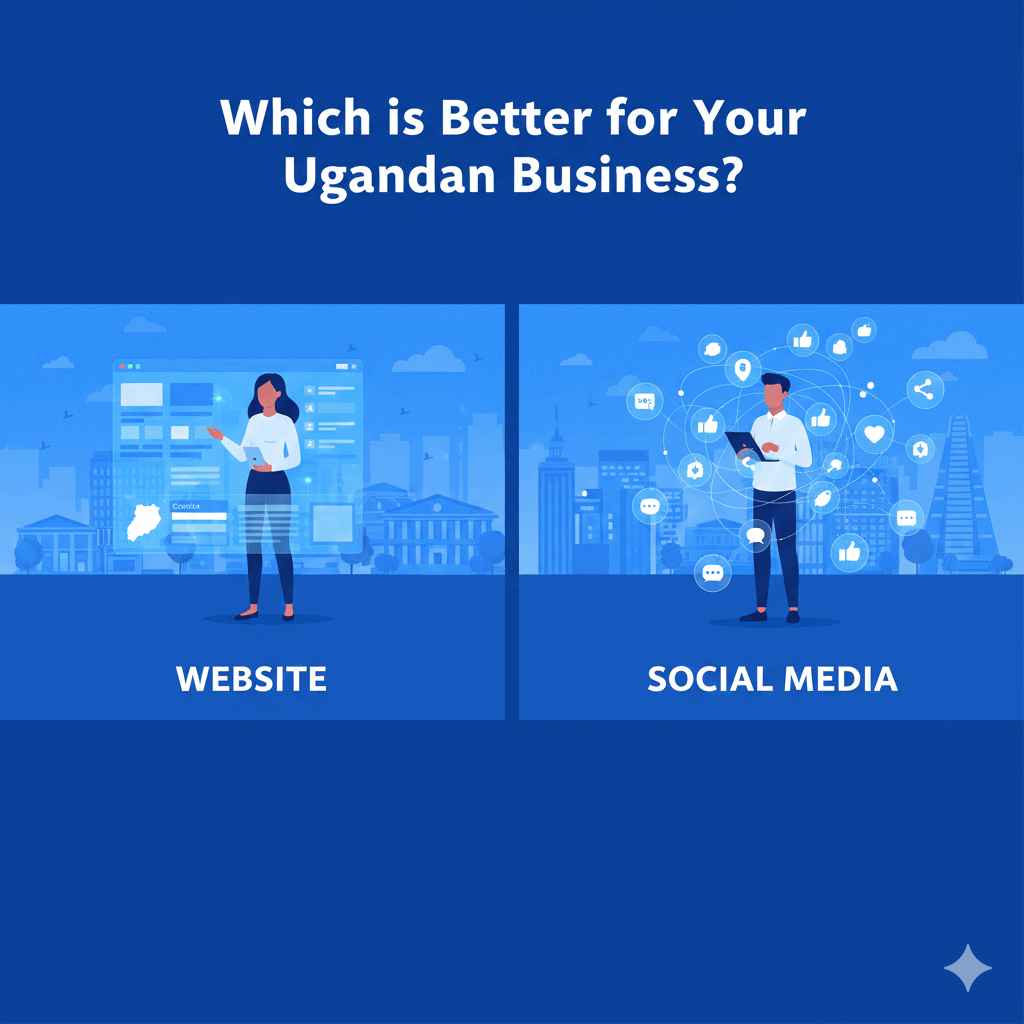
    The learning curve exists, but it’s gentler than it used to be. Many designers start by using pre-built 3D assets and gradually learning to modify them. Developers with JavaScript experience can get functional results relatively quickly. The key is starting simple a single rotating object teaches you more than tutorials alone.

    Performance and Fallback Strategies

    3D content is resource-intensive. Not every device handles it well, and not every user wants to wait for complex scenes to load. Build progressive enhancement into your approach: show a static image or simple animation initially, then load 3D for capable devices.

    Optimize 3D assets aggressively. Reduce polygon counts, compress textures, and use level-of-detail models that show simpler versions when objects are distant or small. Implement loading states so users know something’s happening. Most importantly, ensure your site works without 3D it should be enhancement, not requirement.

    Accessibility-First Design Standards

    A diverse group of users interacting with the same website

    Accessibility has shifted from compliance afterthought to design foundation. This isn’t just about avoiding lawsuits it’s about reaching everyone who wants to use your product.

    Why Accessibility Is No Longer Optional

    Roughly 15% of the world’s population has some form of disability. That’s over a billion people who might struggle with your interface if you haven’t designed inclusively. But accessibility helps everyone: captions benefit users in loud environments, keyboard navigation helps power users move faster, clear hierarchy helps anyone who’s tired or distracted.

    Legal requirements are also tightening. WCAG 2.1 Level AA compliance is becoming standard expectation for public-facing sites. Organizations face litigation for inaccessible digital products. Beyond legal risk, poor accessibility is simply poor design if your interface only works for some users, it’s incomplete.

    Inclusive Color, Contrast, and Motion

    Color alone should never convey information. If your error states are only indicated by red text, colorblind users won’t notice them. Add icons, underlines, or explicit labels. Ensure sufficient contrast between text and backgrounds tools like Stark or browser DevTools can check this automatically.

    Motion can trigger vestibular disorders in some users. The prefers-reduced-motion media query lets you detect when users need minimal animation. Your interface should remain fully functional with motion disabled. Think of motion as progressive enhancement nice when possible, never required.

    Designing for Assistive Technologies

    Screen readers are common assistive technology. Your semantic HTML matters enormously here. Use proper heading hierarchy (h1, h2, h3), label form inputs clearly, and add alt text to meaningful images. Skip alt text on decorative images with empty alt attributes.

    Keyboard navigation should work perfectly. Users should be able to tab through interactive elements in logical order, see clear focus indicators, and access all functionality without a mouse. Test your designs by putting your mouse aside and navigating with keyboard alone you’ll discover issues quickly.

    Sustainable and Performance-Focused Design

    Design decisions impact energy consumption. A bloated website means more data transfer, more processing, and more power draw. Performance and sustainability are converging concerns.

    How Design Choices Impact Energy Use

    Every asset loaded requires energy to transmit it, process it, and display it. A 5MB hero image viewed by 10,000 users means 50GB of data transfer. On phones running on batteries, inefficient websites drain power faster. Users notice this, even if they don’t articulate it as a sustainability concern.

    Dark patterns matter too. Infinite scroll encourages endless browsing, consuming energy and attention. Auto-playing videos waste bandwidth. Complex animations stress processors. These choices have real environmental impact at scale. Designing efficiently isn’t just about speed it’s about respecting resources.

    Lightweight Layouts and Media Optimization

    Start with semantic HTML and CSS before reaching for JavaScript frameworks. Use modern image formats like WebP and AVIF that offer better compression. Implement lazy loading so images only load when users scroll to them. Serve appropriately sized images rather than scaling down huge files with CSS.

    Consider whether every element earns its place. That animated gradient background might look nice, but if it adds 200KB and requires constant repainting, what’s the actual benefit? Sometimes the most sustainable choice is the simplest one. White space, thoughtful typography, and strategic color can create beautiful designs without performance penalties.

    Measuring and Improving Web Performance

    Core Web Vitals provide concrete metrics: Largest Contentful Paint (LCP), First Input Delay (FID), and Cumulative Layout Shift (CLS). These measure real user experience and influence search rankings. Tools like Lighthouse, PageSpeed Insights, and WebPageTest show exactly where you’re losing performance.

    Performance optimization connects directly to SEO impact faster sites rank better and convert more visitors. Set performance budgets early in design: maximum page weight, maximum JavaScript bundle size, target load times. Review these regularly, and treat performance as a feature, not an afterthought.

    Component-Driven and Modular Design Systems

    Designers and developers collaborating around a shared system library

    Mature products need systems, not collections of individual pages. Component-driven design creates consistency, speeds up production, and scales effectively.

    Benefits of Modular Design

    When you design with components, you solve problems once. Create a button component that handles all states, variants, and interactions then reuse it everywhere. Update it once, and every instance updates. This consistency improves user experience while dramatically reducing design and development time.

    Components force clarity. You can’t create a reusable component without understanding its purpose, variations, and edge cases. This upfront thinking prevents the inconsistencies that emerge when designing page by page. It also makes collaboration easier everyone works from the same building blocks.

    Aligning Designers and Developers

    Design systems bridge the designer-developer gap. When both teams work from the same component library, communication improves. Designers stop creating impossible-to-build interfaces. Developers stop improvising solutions that drift from design intent.

    Use shared language. If designers call something a “card” and developers call it a “panel,” confusion follows. Document components thoroughly: when to use them, how they behave, what variations exist. Tools like Storybook let developers build component libraries that designers can reference directly.

    Scaling Design Systems Across Products

    A good design system grows with your product ecosystem. As you launch new features or products, you extend the system rather than starting fresh. This doesn’t mean everything looks identical it means everything shares DNA.

    Start small with the most common patterns: buttons, forms, typography, colors. Build robustly, documenting decisions and rationale. As the system matures, add governance: who can propose new components, how are changes reviewed, how do you deprecate outdated patterns. The system becomes a living document that reflects your evolving design philosophy.

    Voice, Gesture, and Multimodal Interfaces

    Screens and clicks aren’t the only ways users interact with digital products. Voice assistants, gesture controls, and mixed input methods are expanding how we design interactions.

    Beyond Clicks and Taps

    Voice interfaces let users accomplish tasks hands-free. Gesture controls enable spatial interaction. Eye tracking allows accessibility for users with limited mobility. Each modality has strengths: voice is efficient for known commands, touch is precise for selection, gestures are intuitive for spatial tasks.

    The challenge is designing for these inputs thoughtfully. Voice interfaces need clear prompts and error recovery. Gesture controls need discoverability users can’t guess what gestures your app supports. In mobile UX contexts, where screens are smaller and use cases more varied, considering multiple input methods becomes especially important.

    UX Challenges in Multimodal Design

    Different inputs have different precision levels. Voice is imprecise users phrase requests differently, background noise interferes, accents vary. Gestures lack tactile feedback users can’t feel when they’ve completed an action. Your design must accommodate this imprecision.

    Context matters enormously. Voice makes sense for hands-free situations like driving but feels awkward in quiet offices. Gesture controls work well for large displays but poorly on small phones. Don’t force every interaction into every modality choose the appropriate input for each task.

    When to Use These Interfaces

    Multimodal interfaces shine in specific scenarios. Smart home controls benefit from voice saying “turn off the lights” beats opening an app. Gaming and VR lean heavily on gesture. Accessibility often requires alternative inputs for users who can’t use standard methods.

    Don’t add voice or gesture just to be innovative. Ask whether these inputs genuinely improve the experience for your users. If traditional interactions work well, adding complexity might hurt more than help. The best interfaces feel natural, not forced.

    Emotion-Led Branding and Visual Storytelling

    A website experience depicted as a visual journey

    Facts inform decisions, but emotions drive them. Effective design doesn’t just communicate information it creates feeling.

    Designing for Emotional Response

    Every design choice carries emotional weight. Rounded corners feel friendly, sharp angles feel precise. Warm colors feel inviting, cool colors feel professional. Generous spacing feels premium, tight spacing feels urgent. These associations aren’t universal, but they’re real.

    Successful emotional design aligns feeling with purpose. A children’s education app should feel playful and encouraging. A financial planning tool should feel trustworthy and stable. The emotions you evoke should support user goals, not distract from them. Think about how you want users to feel at each stage of their journey, then design deliberately toward those feelings.

    Color, Motion, and Narrative

    Color psychology influences perception powerfully. Blue conveys trust (hence its popularity in finance and healthcare). Red creates urgency (sales and alerts). Green suggests growth and health (wellness and environmental brands). These aren’t rules they’re starting points for intentional choices.

    Motion contributes to emotional tone. Quick, sharp animations feel energetic and modern. Slow, flowing transitions feel calm and elegant. Even the easing curves you choose matter linear motion feels mechanical, ease-in-out feels natural. These subtle choices accumulate into an overall emotional impression.

    Narrative structure applies to digital experiences too. Good interfaces have a beginning (onboarding that sets expectations), middle (core functionality that delivers value), and end (completion states that provide closure). Thinking narratively helps you create coherent experiences rather than disconnected features.

    Consistency Across Digital Touchpoints

    Users encounter your brand across websites, apps, emails, and social media. Emotional consistency across these touchpoints builds recognition and trust. This doesn’t mean everything looks identical it means everything feels related.

    Establish core brand attributes: Are you playful or serious? Minimal or maximalist? Warm or professional? Then express these attributes consistently using your chosen design language. Your email confirmation should feel like it came from the same brand as your website homepage. Inconsistency creates cognitive dissonance and weakens brand impact.

    Frequently Asked Questions

    Which web design trend will have the biggest impact in 2026?

    AI-assisted workflows will likely influence design practice most broadly. Not because AI will replace designers, but because it’s changing how design work gets done speeding up iteration, handling routine tasks, and enabling rapid prototyping. That said, accessibility-first design is the most important trend ethically and legally. It affects the most users and has the clearest business case. The trend that matters most for you depends on your specific product and user needs.

    Are these trends suitable for small projects or startups?

    Absolutely, though your approach should scale to your resources. Startups can implement AI tools, minimalist typography, and component-based design without huge budgets. Skip expensive 3D implementations and focus on fundamentals: accessibility, performance, and clear hierarchy. Small projects benefit enormously from design systems even a simple one prevents inconsistency as you grow. Start with trends that solve real problems for your users rather than chasing visual novelty.

    How can designers adopt new trends without hurting usability?

    Test everything with real users. Trends should enhance usability, not compromise it. Implement new techniques in low-risk areas first a landing page before your core product, a secondary feature before primary workflows. Keep analytics close and watch how changes affect key metrics. If bounce rates increase or conversions drop after implementing a trend, roll it back. The best design trends become invisible users notice improved experience, not the technique itself.

    Do developers need new skills to support these trends?

    Some trends require specific technical knowledge. 3D on the web means learning Three.js or similar libraries. AI integration requires API familiarity. Multimodal interfaces need platform-specific implementation knowledge. However, many trends better typography, improved accessibility, cleaner layouts work with existing skills. The developer-designer collaboration becomes more important than specific tech skills. Developers who understand design principles and designers who understand technical constraints create better products together.

    How do web design trends affect SEO and performance?

    Performance-focused design directly improves SEO Google’s algorithm prioritizes fast, well-optimized sites. Accessibility improvements help SEO too; semantic HTML and clear hierarchy benefit both screen readers and search crawlers. Heavy trends like 3D and complex animations can hurt if implemented carelessly. The key is balancing visual innovation with technical performance. Following SEO basics alongside modern design practices ensures you don’t sacrifice discoverability for aesthetics.

    Which trends are most important for accessibility?

    Accessibility-first design is obviously crucial, but several other trends support inclusivity. Minimalist interfaces with clear typography improve readability for everyone, especially users with visual impairments. Performance-focused design helps users with limited data or older devices. Component-driven systems ensure accessible patterns get reused consistently. Even emotion-led design can support accessibility when it prioritizes clarity and reduces cognitive load. The best approach treats accessibility as foundational rather than a separate concern.

    How quickly should teams adopt emerging design trends?

    Don’t rush. Trends need time to mature before you can implement them confidently. Early adoption means encountering bugs, limited resources, and changing best practices. Wait until tools stabilize, patterns emerge, and case studies demonstrate real value. That said, don’t wait so long that you fall behind. A good rule: be aware of trends now, experiment with them on low-stakes projects, then implement proven approaches when they serve your users. Thoughtful adoption beats both reckless innovation and stubborn conservatism.

    These ten trends represent where web design is heading, but they’re not prescriptions they’re possibilities. Your job isn’t implementing all of them. It’s understanding which ones serve your users, align with your goals, and fit your constraints. Great design has always balanced innovation with usability, aesthetics with accessibility, and creativity with pragmatism. These trends simply give you new tools for that timeless work. Use them wisely.

  • How Much Does a Website Cost in Uganda in 2026?

    How Much Does a Website Cost in Uganda in 2026?

    If you’re a small business owner, freelancer, or entrepreneur in Uganda thinking about getting a website, you’ve probably asked yourself: “How much is this actually going to cost me?”

    It’s a fair question and honestly, one that doesn’t have a single answer. The truth is, website costs in Uganda can range anywhere from a few hundred thousand shillings to several million, depending on what you need and how you want it built.

    But here’s the good news: you don’t need to break the bank to get a professional, functional website that grows your business. You just need to understand what you’re paying for and where your money goes.

    In this guide, we’ll break down everything that affects website cost in Uganda in 2026 from design and development to hosting, maintenance, SEO, and those sneaky hidden costs many people ignore. Whether you’re planning a simple portfolio site, a business website, or a full-blown e-commerce platform, you’ll walk away knowing exactly what to budget for and how to get the best value without sacrificing quality.

    Think of this as your pricing roadmap. By the end, you’ll be equipped to make smart decisions, ask the right questions, and avoid overpaying for features you don’t actually need.

    Let’s dive in.

    What Determines the Cost of a Website in Uganda?

    Before we get into specific numbers, let’s talk about what actually drives website pricing in Uganda. Understanding these factors will help you figure out where you can save money and where it’s worth spending a little more.

    1. Type and Complexity of the Website

    A five-page business website is not the same as a custom e-commerce platform with payment integrations, user accounts, and inventory management. The more features, pages, and functionalities you need, the higher the cost. Simple sites are faster and cheaper to build. Complex ones require more planning, coding, and testing.

    2. Design Approach: Template vs. Custom

    Are you okay with a pre-made template that’s been tweaked to fit your brand? Or do you want a completely custom design built from scratch? Templates are faster and more affordable. Custom designs take longer, require skilled designers, and cost significantly more but they give you a unique look and feel that stands out.

    3. Developer Experience and Location

    A student freelancer charging UGX 500,000 for a website will deliver something very different from an experienced agency charging UGX 5 million. Experience, portfolio quality, and reputation matter. Local developers may charge less than international ones, but they also understand the Ugandan market better.

    4. Functionality and Integrations

    Do you need contact forms, booking systems, payment gateways, or third-party integrations like Google Maps or social media feeds? Each additional feature adds development time and cost. The more automated and interactive your site needs to be, the more you’ll pay.

    5. Content Creation

    Who’s writing your website copy? Who’s taking photos or creating graphics? If you’re providing all the content yourself, you’ll save money. But if you need a copywriter, photographer, or graphic designer, those costs add up quickly.

    6. Ongoing Costs: Hosting, Maintenance, and SEO

    Building the website is just the beginning. You’ll also need to budget for domain registration, hosting, regular updates, security monitoring, backups, and search engine optimization. These are recurring costs that keep your site running smoothly and ranking on Google.

    7. Timeline and Urgency

    Need your website done in two weeks instead of two months? Rush jobs often come with premium pricing. Developers may need to put other projects on hold or work overtime to meet tight deadlines.

    Understanding these factors puts you in control. You can decide what’s essential now and what can be added later as your business grows.

    Types of Websites and Their Average Costs in Uganda (2026)

    A comparison layout displaying multiple website types as distinct panels

    Not all websites are created equal and neither are their price tags. Let’s break down the most common types of websites Ugandan businesses need and what you can expect to pay for each in 2026.

    3.1 Business Website

    A business website is your digital storefront. It typically includes 5–10 pages: Home, About, Services, Portfolio/Gallery, Testimonials, Blog, and Contact. It’s designed to build credibility, showcase what you do, and make it easy for potential customers to reach you.

    What you get:

    • Responsive design (works on phones, tablets, and desktops)
    • Contact forms
    • Basic SEO setup
    • Social media integration
    • Google Maps integration

    Average Cost in Uganda (2026):
    UGX 1,500,000 – UGX 4,000,000

    This range depends on whether you go with a template-based design or a semi-custom approach. If you hire a freelancer, you’ll likely land on the lower end. An established agency will charge closer to the upper range but often delivers faster turnaround and better support.

    3.2 Personal or Portfolio Website

    If you’re a photographer, graphic designer, writer, or freelancer, a portfolio website is your resume in digital form. It’s usually simpler than a business site with fewer pages, lighter on features, but heavy on visuals.

    What you get:

    • 3–5 pages (Home, About, Portfolio, Contact)
    • Image galleries or project showcases
    • Downloadable resume or CV
    • Simple contact form

    Average Cost in Uganda (2026):
    UGX 800,000 – UGX 2,000,000

    Many freelancers build these themselves using platforms like WordPress, Wix, or Webflow. But if you want something polished and professional without learning to code, hiring a designer is worth it.

    3.3 E-commerce Website

    An e-commerce website is where things get more involved. You’re not just displaying information, you’re selling products, managing inventory, processing payments, and handling orders. This requires robust functionality, security, and user experience design.

    What you get:

    • Product catalog with search and filters
    • Shopping cart and checkout system
    • Payment gateway integration (Mobile Money, Visa, Mastercard)
    • User accounts and order tracking
    • Inventory management
    • SSL certificate for secure transactions
    • Shipping and tax calculators

    Average Cost in Uganda (2026):
    UGX 3,500,000 – UGX 12,000,000+

    The wide range reflects the difference between a basic WooCommerce store and a fully custom platform. If you’re selling 20 products, the lower end works. If you need multi-vendor support, subscriptions, or complex logistics, expect to pay much more.

    3.4 Corporate or Enterprise Website

    Corporate websites are for established companies, NGOs, or institutions that need a professional, scalable, and feature-rich online presence. Think multiple departments, news sections, member portals, and integrations with CRM or ERP systems.

    What you get:

    • 15+ pages
    • Advanced features (portals, dashboards, databases)
    • Multi-language support
    • Advanced security and permissions
    • Integration with third-party business tools

    Average Cost in Uganda (2026):
    UGX 8,000,000 – UGX 25,000,000+

    These projects often take 2–4 months and require a team of designers, developers, content creators, and project managers. Agencies dominate this space.

    3.5 Custom Web Applications

    Sometimes you need more than a website, you need a web app. Think of tools like booking systems, learning management platforms, SaaS products, or internal business tools. These are software solutions delivered through a browser.

    What you get:

    • Custom-built functionality tailored to your business
    • User authentication and role-based access
    • Real-time data processing
    • API integrations
    • Scalability and cloud infrastructure

    Average Cost in Uganda (2026):
    UGX 10,000,000 – UGX 50,000,000+

    Custom web apps are the most expensive option because they require experienced developers, extensive testing, and ongoing support. But if your business model depends on it, the ROI can be massive.

    Website Design Costs Explained

    A designer presenting two website designs side by side, visually communicating cost differences through complexity

    Design is where your website’s personality comes to life. It’s not just about looking good it’s about creating an experience that guides visitors toward taking action, whether that’s buying a product, filling out a form, or picking up the phone.

    Let’s break down the two main design approaches and what they cost.

    4.1 Template-Based Design Costs

    Think of templates as ready-made outfits. They’re professionally designed, pre-built layouts that you customize with your colors, logo, images, and text. Platforms like WordPress, Shopify, and Wix offer thousands of templates, many of them free or low-cost.

    Pros:

    • Fast to set up (days instead of weeks)
    • Affordable
    • Tested and optimized for performance
    • Great for tight budgets or simple needs

    Cons:

    • Less unique your site might look similar to others
    • Limited flexibility in layout and features
    • Can feel generic if not customized well

    Average Cost in Uganda (2026):
    UGX 500,000 – UGX 2,000,000

    This includes purchasing a premium template, customizing it to fit your brand, and setting up essential pages. Many freelancers specialize in this approach, making it accessible for startups and small businesses.

    4.2 Custom UI/UX Design Costs

    Custom design is like hiring a tailor to create a suit from scratch. A designer works with you to understand your brand, audience, and goals, then creates wireframes, mockups, and prototypes that are 100% unique to you.

    What’s included:

    • Discovery and research phase
    • User experience (UX) planning and wireframing
    • Visual design (UI) with brand-specific colors, fonts, and graphics
    • Responsive design for mobile, tablet, and desktop
    • Interactive prototypes for testing before development

    Pros:

    • Completely original design
    • Optimized for your specific audience and goals
    • Full control over layout, features, and branding
    • Better long-term scalability

    Cons:

    • More expensive
    • Takes longer (2–6 weeks for design alone)
    • Requires more collaboration and feedback

    Average Cost in Uganda (2026):
    UGX 2,000,000 – UGX 8,000,000

    If you’re serious about standing out and building a brand that people remember, custom website design is worth the investment. It’s especially important for e-commerce, corporate sites, and businesses competing in crowded markets.

    Website Development Costs in Uganda (2026)

    Once the design is approved, it’s time to build. Development is where designers’ visions turn into functioning websites. This phase involves coding, integrations, testing, and making sure everything works smoothly across devices and browsers.

    5.1 Frontend Development Costs

    Frontend development is everything the user sees and interacts with buttons, menus, images, animations, forms. It’s the code that brings the design to life using HTML, CSS, and JavaScript.

    What’s involved:

    • Converting designs into responsive web pages
    • Ensuring cross-browser compatibility (Chrome, Safari, Firefox, etc.)
    • Implementing animations and interactive elements
    • Optimizing for speed and mobile performance

    Average Cost in Uganda (2026):
    UGX 1,000,000 – UGX 4,000,000

    Simple sites with minimal interactivity fall on the lower end. Sites with complex animations, custom interactions, or heavy multimedia content cost more.

    5.2 Backend Development Costs

    Backend development is the engine under the hood. It handles databases, user authentication, payment processing, content management, and everything that happens behind the scenes.

    What’s involved:

    • Setting up databases
    • Building user login and account systems
    • Integrating payment gateways
    • Creating admin dashboards
    • Setting up APIs for third-party integrations
    • Ensuring security and data protection

    Average Cost in Uganda (2026):
    UGX 1,500,000 – UGX 6,000,000+

    Backend work is more technical and time-consuming than frontend. E-commerce sites, membership platforms, and web apps require heavy backend development, which drives up costs.

    5.3 CMS vs Custom-Built Websites

    Here’s a common question: should you use a Content Management System (CMS) like WordPress, or build something from scratch?

    CMS Websites (WordPress, Joomla, Drupal):

    • Faster to build
    • Easier to update (you can manage content yourself)
    • Lower development costs
    • Thousands of plugins and themes available
    • Great for blogs, business sites, and small e-commerce stores

    Cost Range:
    UGX 1,500,000 – UGX 5,000,000

    Custom-Built Websites:

    • Built from the ground up using frameworks like Laravel, Django, or React
    • Fully tailored to your needs
    • No bloat from unnecessary plugins
    • Better performance and security
    • Ideal for complex apps, enterprise sites, and unique functionality

    Cost Range:
    UGX 5,000,000 – UGX 20,000,000+

    For most small businesses in Uganda, a CMS is the smarter choice. It’s affordable, flexible, and you won’t need a developer every time you want to add a blog post or update a photo.

    Domain Name and Hosting Costs

    Your website needs two things to exist online: a domain name (your address) and hosting (the land it sits on). Let’s break down what these cost in Uganda in 2026.

    6.1 Domain Name Pricing in Uganda

    A domain name is your website’s address like yourbusiness.co.ug or yourbusiness.com. It’s what people type into their browser to find you.

    Common domain extensions and costs:

    • .co.ug (Uganda-specific): UGX 50,000 – UGX 80,000 per year
    • .com (global): UGX 40,000 – UGX 70,000 per year
    • .org, .net, .info: UGX 50,000 – UGX 100,000 per year
    • Premium or short domains: UGX 200,000 – UGX 2,000,000+

    Most Ugandan businesses go with .co.ug for local credibility or .com for a broader reach. You can register domains through local providers like Uganda Online, Xtech Uganda, or international platforms like Namecheap and GoDaddy.

    Pro tip: Register your domain for multiple years upfront if you can. It’s cheaper than renewing annually, and it protects your brand from expiring accidentally.

    6.2 Shared, VPS, and Cloud Hosting Costs

    Hosting is where your website files live. Think of it as renting space on a computer that’s always connected to the internet. There are three main types:

    Shared Hosting: Your website shares server space with other sites. It’s the cheapest option and works well for small business sites with moderate traffic.

    Cost in Uganda (2026):
    UGX 100,000 – UGX 400,000 per year

    Pros: Affordable, easy to manage
    Cons: Slower performance if other sites on the server get busy

    VPS (Virtual Private Server) Hosting: You get a dedicated portion of a server. Better performance, more control, and suitable for growing businesses or e-commerce sites.

    Cost in Uganda (2026):
    UGX 500,000 – UGX 1,500,000 per year

    Pros: Faster, more reliable, scalable
    Cons: More expensive, requires some technical knowledge

    Cloud Hosting (AWS, Google Cloud, DigitalOcean): Your site is hosted across multiple servers. It’s the most reliable and scalable option, perfect for high-traffic sites or web apps.

    Cost in Uganda (2026):
    UGX 600,000 – UGX 3,000,000+ per year

    Pros: Best performance, scales automatically
    Cons: Most expensive, complex to set up

    For most small businesses, shared hosting is enough to start. As you grow, you can upgrade to VPS or cloud hosting.

    Ongoing Website Maintenance and Support Costs

    Building your website is just the beginning. Like a car, it needs regular maintenance to run smoothly, stay secure, and keep performing well. Let’s talk about what that looks like and what it costs.

    7.1 Monthly Maintenance Packages

    Most web designers and agencies offer website maintenance packages that cover routine tasks like:

    • Software and plugin updates
    • Security monitoring and malware scans
    • Performance optimization
    • Broken link checks
    • Content updates (adding new pages, blog posts, images)
    • Uptime monitoring

    Average Cost in Uganda (2026):
    UGX 150,000 – UGX 600,000 per month

    Basic plans (UGX 150,000 – UGX 250,000) usually cover essential updates and security. Premium plans (UGX 400,000+) include content updates, SEO monitoring, monthly reports, and priority support.

    Many businesses skip maintenance to save money but that’s risky. Outdated software is a security nightmare, and a slow or broken site drives customers away.

    7.2 Security, Backups, and Updates

    Let’s zoom in on three critical maintenance tasks:

    Security: Hackers love outdated websites. Regular security patches, SSL certificates, firewalls, and malware scans keep your site safe. If your site gets hacked, cleaning it up can cost UGX 500,000 – UGX 2,000,000.

    Backups: Imagine losing your entire website overnight content, images, customer data, everything. Regular backups (daily or weekly) ensure you can restore your site quickly if something goes wrong.

    Updates: WordPress, plugins, and themes release updates constantly. These fix bugs, patch security holes, and add new features. Skipping updates is like ignoring engine maintenance on your car it’ll catch up with you eventually.

    Average Cost for Security + Backups + Updates (2026):
    UGX 200,000 – UGX 500,000 per month

    Think of maintenance as insurance. It’s a small monthly cost that protects you from much bigger, more expensive problems down the road.

    SEO, Content, and Marketing Costs to Consider

    A beautiful website that nobody finds on Google is like a billboard in the middle of a forest. If you want traffic, leads, and sales, you need to invest in SEO, content, and marketing.

    8.1 SEO Setup and Monthly SEO Costs

    Search Engine Optimization (SEO) is how you get your website to show up when people search for what you offer. It involves keyword research, on-page optimization, link building, and technical improvements.

    One-Time SEO Setup: This includes keyword research, optimizing page titles and descriptions, setting up Google Search Console and Analytics, creating an XML sitemap, and improving site speed.

    Cost in Uganda (2026):
    UGX 500,000 – UGX 2,000,000

    Ongoing Monthly SEO: SEO isn’t a one-and-done task. To rank well and stay competitive, you need regular content creation, link building, performance tracking, and algorithm updates.

    Cost in Uganda (2026):
    UGX 300,000 – UGX 1,500,000 per month

    If you’re serious about organic traffic, budget for SEO services from the start. Many Ugandan businesses ignore SEO and then wonder why they’re not getting calls or inquiries. Don’t make that mistake.

    8.2 Content Writing and Blog Costs

    Content is the fuel that powers SEO. Regular blog posts, service pages, and landing pages help you rank for more keywords, answer customer questions, and build trust.

    What’s included:

    • Keyword-optimized blog posts (800–2,000 words)
    • Service or product descriptions
    • Landing page copy
    • Editing and proofreading

    Average Cost in Uganda (2026):

    • Per blog post: UGX 50,000 – UGX 200,000
    • Monthly retainer (4–8 posts): UGX 300,000 – UGX 1,200,000

    Hiring a professional writer is worth it. Good content ranks higher, engages readers, and converts better than generic, keyword-stuffed nonsense.

    Website Costs: Freelancers vs Agencies in Uganda

    When it comes to building your website, you have two main options: hire a freelancer or work with an agency. Each has pros and cons and very different price tags.

    9.1 Hiring a Freelancer

    Freelancers are independent designers or developers who work solo or with a small team. They’re often more affordable, flexible, and easier to communicate with.

    Pros:

    • Lower costs (UGX 1,000,000 – UGX 4,000,000 for most projects)
    • Direct communication you work with the person actually building your site
    • Flexible timelines and personalized service
    • Great for small businesses and startups on a budget

    Cons:

    • Limited capacity one person can only do so much
    • May lack specialized skills (e.g., advanced backend development or UX research)
    • Less formal contracts or support
    • Risk of delays if they get overbooked or sick

    Best for:
    Small business websites, portfolios, basic e-commerce stores, and projects with tight budgets.

    9.2 Hiring a Web Design Agency

    Agencies are teams of specialists designers, developers, project managers, SEO experts, and content creators working together to deliver polished, professional websites.

    Pros:

    • Full-service offering (design, development, SEO, content, maintenance)
    • Faster turnaround due to larger teams
    • More structured processes, contracts, and timelines
    • Better suited for complex projects
    • Ongoing support and maintenance packages

    Cons:

    • Higher costs (UGX 3,000,000 – UGX 15,000,000+)
    • Less direct communication you may work with account managers instead of developers
    • Can feel impersonal or corporate
    • May include features or processes you don’t actually need

    Best for:
    Corporate sites, e-commerce platforms, custom web apps, and businesses that need ongoing support.

    The bottom line:
    If you’re on a tight budget and have a simple project, a freelancer is your best bet. If you need speed, reliability, and a full team, go with an agency.

    Hidden Website Costs Many Ugandan Businesses Ignore

    Unexpected cost icons emerging behind a website interface

    You’ve budgeted for design, development, hosting, and maybe even SEO. But there are a few sneaky costs that catch people off guard. Here’s what to watch out for:

    1. SSL Certificates
    An SSL certificate encrypts data between your website and visitors, making it secure (that little padlock in the browser). Google also ranks secure sites higher. Some hosting providers include free SSL, but premium certificates cost UGX 100,000 – UGX 500,000 per year.

    2. Email Hosting
    Want a professional email like info@yourbusiness.co.ug? You’ll need email hosting. Costs range from UGX 50,000 – UGX 300,000 per year depending on the number of accounts and storage.

    3. Stock Photos and Graphics
    If you don’t have your own photos, you’ll need stock images. Free sites like Unsplash work, but premium stock photos cost UGX 10,000 – UGX 100,000 per image. Custom photography or graphic design adds UGX 500,000 – UGX 2,000,000.

    4. Plugins and Premium Tools
    Many WordPress plugins are free, but premium versions with advanced features cost UGX 50,000 – UGX 500,000 per year. Multiply that by several plugins, and it adds up.

    5. Payment Gateway Fees
    If you’re running an e-commerce site, payment processors like Flutterwave, Pesapal, or Stripe charge transaction fees usually 2%–5% per sale. Budget for this in your monthly expenses.

    6. Legal and Compliance Pages
    Privacy policies, terms of service, and cookie consent banners are legally required in many cases. Hiring a lawyer to draft these can cost UGX 200,000 – UGX 1,000,000.

    7. Training and Onboarding
    If you’re managing the site yourself, you may need training on how to update content, add products, or use the CMS. Some developers include this; others charge UGX 100,000 – UGX 500,000 for training sessions.

    How to Reduce Website Costs Without Sacrificing Quality

    You don’t need an unlimited budget to get a great website. Here’s how to save money without cutting corners.

    11.1 Choosing the Right Website Type

    Don’t overbuild. If you’re a consultant or freelancer, you don’t need an e-commerce platform. A simple portfolio site will do. Start with what you need now, and add features later as your business grows.

    Savings: UGX 1,000,000 – UGX 5,000,000

    11.2 Using Scalable Tools and Platforms

    WordPress, Shopify, and Webflow are powerful, affordable, and easy to scale. Avoid custom-coded solutions unless you absolutely need them. Templates and themes can look amazing with the right customization.

    Savings: UGX 2,000,000 – UGX 10,000,000

    11.3 Planning for Growth from the Start

    Choose a CMS and hosting plan that can grow with you. Rebuilding your site from scratch in two years because it can’t handle traffic or new features is expensive. Invest in flexibility now to avoid costly rebuilds later.

    Also, provide your own content (text, images, videos) if possible. Hiring writers and photographers adds significant cost.

    Savings: UGX 500,000 – UGX 2,000,000

    Other cost-cutting tips:

    • Negotiate bundled packages (design + development + hosting)
    • Get multiple quotes and compare
    • Build in phases launch with core features, add extras later
    • Use free or low-cost tools for analytics, email marketing, and project management

    Is a Website Worth the Investment for Businesses in Uganda?

    A business owner evaluating ROI visually

    Let’s address the elephant in the room: is spending UGX 2 million, 5 million, or even 10 million on a website actually worth it?

    Short answer: Yes if you approach it strategically.

    Here’s why:

    1. 24/7 Sales and Marketing
    Your website works while you sleep. It answers questions, showcases products, and generates leads even when your office is closed. No employee can do that.

    2. Credibility and Trust
    In 2026, not having a website makes you look outdated or untrustworthy. Customers Google businesses before visiting or buying. If they can’t find you online, they’ll find your competitor instead.

    3. Cost-Effective Customer Acquisition
    A well-optimized website with SEO and content marketing attracts customers organically, no expensive radio ads or billboards required. Over time, it’s one of the cheapest ways to grow.

    4. Scalability
    Unlike a physical store, your website can serve 10 customers or 10,000 without needing more staff or space. E-commerce sites especially benefit from this.

    5. Data and Insights
    Your website tells you exactly what’s working, which products sell, which pages get traffic, where visitors come from. This data helps you make smarter business decisions.

    The ROI Reality:
    A UGX 3 million website that brings in 10 new clients worth UGX 500,000 each pays for itself in the first few months. After that, it’s pure profit (minus hosting and maintenance).

    But here’s the catch: a poorly built, slow, or ugly website can do more harm than good. That’s why investing in quality matters.

    Realistic Website Cost Ranges in Uganda (2026 Summary)

    Let’s summarize everything into clear, realistic price ranges based on website type and scope.

    Website TypeCost Range (UGX)
    Personal/Portfolio Website800,000 – 2,000,000
    Small Business Website1,500,000 – 4,000,000
    E-commerce Website3,500,000 – 12,000,000+
    Corporate/Enterprise Website8,000,000 – 25,000,000+
    Custom Web Application10,000,000 – 50,000,000+

    Additional Costs to Budget For:

    ServiceCost Range (UGX)
    Domain Name40,000 – 80,000/year
    Hosting (Shared)100,000 – 400,000/year
    Hosting (VPS)500,000 – 1,500,000/year
    Hosting (Cloud)600,000 – 3,000,000+/year
    Website Maintenance150,000 – 600,000/month
    SEO (Initial Setup)500,000 – 2,000,000
    SEO (Monthly)300,000 – 1,500,000/month
    Content Writing50,000 – 200,000/post

    Total First-Year Cost Example (Small Business Website):

    • Design + Development: UGX 2,500,000
    • Domain: UGX 60,000
    • Hosting: UGX 200,000
    • SEO Setup: UGX 800,000
    • Maintenance (12 months): UGX 2,400,000

    Total: UGX 5,960,000

    This gives you a fully functional, SEO-optimized, professionally maintained business website for your first year. Subsequent years cost less since you’ve already paid for design and development.

    How to Choose the Right Web Designer or Developer

    A client interviewing a developer visually.

    Choosing the wrong designer can cost you time, money, and a lot of frustration. Here’s how to pick someone who’ll deliver quality work on time and within budget.

    14.1 Questions to Ask Before Hiring

    Before signing any contract or paying a deposit, ask these questions:

    1. Can I see your portfolio?
    Look for projects similar to what you need. If they’ve never built an e-commerce site, don’t hire them for yours.

    2. What’s included in the price?
    Be specific. Does it cover design, development, content entry, SEO, training, and revisions? Get it in writing.

    3. What’s your timeline?
    Good designers book up quickly. Make sure they can deliver within your deadline.

    4. Who owns the website after it’s built?
    You should own all files, code, and content. Avoid designers who hold your site hostage.

    5. What happens if something breaks?
    Do they offer post-launch support? At what cost?

    6. Will the site be mobile-friendly?
    In Uganda, most web traffic comes from phones. Your site must look great on mobile.

    7. Do you provide training?
    You’ll need to know how to update content, add blog posts, and manage your site.

    8. What platforms or tools do you use?
    WordPress? Custom code? Make sure it’s something you can manage or hire others to maintain later.

    14.2 Red Flags to Avoid

    1. No Portfolio or Testimonials
    If they can’t show you past work or client reviews, walk away.

    2. Unrealistically Low Prices
    A UGX 300,000 “professional business website” is almost certainly a scam or extremely low quality.

    3. No Contract
    Always work with a written agreement. It protects both you and the designer.

    4. Vague Communication
    If they can’t answer simple questions clearly, imagine how difficult the project will be.

    5. Requesting Full Payment Upfront
    Standard practice is 50% upfront, 50% upon completion. Never pay 100% before seeing the final product.

    6. No Revision Policy
    You should get at least 2–3 rounds of revisions included. If they refuse, find someone else.

    Frequently Asked Questions

    15.1 How much does a basic business website cost in Uganda?

    A basic business website with 5–7 pages, contact forms, and mobile responsiveness costs between UGX 1,500,000 and UGX 4,000,000 in 2026. This includes design, development, and basic SEO setup. Freelancers charge on the lower end; agencies charge more but often deliver faster and include ongoing support.

    15.2 Can I build a website myself to save money?

    Yes platforms like WordPress, Wix, and Shopify make DIY website building accessible even for beginners. You can create a functional site for as little as UGX 200,000 – UGX 500,000 (domain, hosting, premium template). However, it takes time to learn, and the results may not be as polished or SEO-optimized as a professionally built site. If you value your time and want better results, hiring a professional is worth it.

    15.3 How long does it take to build a website?

    Timelines vary based on complexity:

    • Simple business website: 2–4 weeks
    • E-commerce site: 4–8 weeks
    • Corporate or custom web app: 2–6 months

    Delays often happen due to slow client feedback, content not being ready, or scope changes mid-project. Clear communication and having your content prepared upfront speeds things up.

    15.4 What is the cheapest hosting option in Uganda?

    Shared hosting is the cheapest option, costing UGX 100,000 – UGX 400,000 per year. It’s perfect for small business sites with moderate traffic. Popular local providers include Uganda Online and Xtech Uganda. International providers like Bluehost and SiteGround also offer affordable plans with good support.

    15.5 Do I need SEO from the start?

    Yes. Building a website without SEO is like opening a shop on a street with no signage. Basic on-page SEO (keyword optimization, meta descriptions, fast loading speeds) should be included from day one. Ongoing SEO (content creation, link building) can start a few months later once your site is live and stable.

    15.6 How often should a website be updated?

    Security and software updates: Monthly
    Content updates (blog posts, news): Weekly or bi-weekly
    Design or functionality updates: Annually or as needed

    Regular updates keep your site secure, improve SEO, and show visitors that your business is active and trustworthy.

    15.7 Are foreign web developers more expensive than local ones?

    Usually, yes. International developers charge in dollars or euros, which can be 2–3 times more expensive than local Ugandan developers. However, local developers understand the Ugandan market, payment systems, and customer behavior better making them a smarter choice for most businesses.

    15.8 What payment models do Ugandan web designers use?

    Most designers use one of three models:

    • Fixed project fee: One upfront price for the entire project (most common)
    • Milestone payments: Pay in stages (e.g., 50% to start, 25% after design, 25% upon launch)
    • Hourly rate: Pay based on hours worked (less common for websites, more common for ongoing maintenance)

    Always clarify payment terms before starting. Get everything in writing.

    Final Thoughts

    Building a website in Uganda in 2026 doesn’t have to be overwhelming or outrageously expensive. Whether you’re spending UGX 1.5 million or UGX 10 million, what matters most is understanding what you’re paying for and making smart, strategic decisions.

    Start with your goals. What do you want your website to achieve? More sales? More inquiries? Better brand credibility? Once you know that, you can choose the right type of site, the right designer, and the right budget.

    Don’t cut corners on things that matter like website design, security, and SEO. And don’t overpay for features you don’t need. Build smart, plan for growth, and invest in quality.

    Your website is one of the best investments you can make in your business. Treat it that way, and it’ll pay you back many times over.

    Ready to get started? Check out our pricing plans or reach out to discuss your project. We’d love to help you build something great.

  • How to Rank on Google in Uganda: Complete SEO Guide 2026

    How to Rank on Google in Uganda: Complete SEO Guide 2026

    Introduction

    If you run a small business, you already know how tough it is to compete for attention online. Your website might look great, but if nobody can find it, it won’t bring in customers. That’s where SEO for small businesses comes in, helping your site show up when people search for what you offer, bringing in traffic without spending a fortune on ads.

    What Is SEO for Small Businesses?

    SEO, or search engine optimization, is the process of improving your website so it ranks higher in search engine results like Google. For small companies, this means making sure your business pops up when someone nearby searches for your product or service. It’s not about gaming the system, it’s about making your site better for both search engines and real people.

    Small business website SEO includes everything from choosing the right keywords to making sure your site loads fast and works well on phones. When done right, SEO marketing for small businesses can level the playing field, letting you compete with bigger brands without needing their massive budgets. If you’re looking to build a solid foundation, professional Web Design Services can tie together design and SEO to maximize your online visibility.

    Why SEO Matters for Small Businesses

    Increased Online Visibility

    Think about how you find businesses online. You type something into Google, and you click on one of the first few results, right? Most people do the same thing. If your small business isn’t on that first page, you’re basically invisible. SEO for small businesses helps you climb those rankings so customers actually see you when they’re looking.

    More Local and Qualified Traffic

    Not all traffic is created equal. You don’t just want visitors, you want the right visitors. Local SEO for small business targets people in your area who are actively searching for what you offer. That means more phone calls, more foot traffic, and more sales from people who are ready to buy.

    Long-Term Marketing ROI

    Unlike paid ads that stop working the moment you stop paying, SEO keeps delivering results over time. You put in the work once, and your rankings can stick around for months or even years. That makes affordable SEO for small businesses one of the smartest investments you can make. The returns compound as your site gains authority and attracts more organic traffic.

    Competing with Bigger Brands

    Big companies have big marketing budgets, but they don’t always dominate local search. With a smart small business SEO strategy, you can outrank them for local keywords and niche topics. Google rewards relevance and quality, not just size. If you serve your local community better than a national chain, SEO helps you prove it.

    How Search Engines Work (Beginner Overview)

    Friendly robot scanning websites and placing them neatly into a digital library

    Crawling and Indexing

    Search engines like Google use automated bots, sometimes called spiders or crawlers, to scan websites all over the internet. They follow links from page to page, collecting information about what’s on each site. This process is called crawling. Once they’ve gathered that info, they store it in a massive database that’s indexing. If your site isn’t indexed, it won’t show up in search results at all.

    Ranking Factors Explained Simply

    After indexing your site, search engines decide where to rank you based on hundreds of factors. The main ones include how relevant your content is to the search query, how fast your site loads, whether it works on mobile, and how many other trusted sites link to you. SEO basics for small businesses focus on hitting the most important factors first, so you see results faster.

    Paid vs Organic Search Results

    When you search on Google, you’ll see two types of results. Paid ads appear at the top with a little “Ad” label businesses pay to be there. Below that, you get organic results, which are ranked based on SEO. Organic listings don’t cost you per click, making them more sustainable for small budgets. While ads can give you a quick boost, SEO builds long-term value.

    Key Benefits of SEO for Small Businesses

    Key metrics displayed clearly on a dashboard

    More Website Traffic

    The higher you rank, the more clicks you get. It’s that simple. SEO for small companies focuses on bringing in consistent, organic visitors who are actively looking for what you sell. Unlike social media, where you’re competing for attention in crowded feeds, search traffic comes from people with the intent they want answers, solutions, or products right now.

    Higher Trust and Credibility

    People trust Google. When your site ranks high organically, users assume you’re a credible, established business. That perception carries weight. A strong SEO presence signals that you’re legitimate, experienced, and worth their time. Over time, this builds brand authority and makes it easier to convert visitors into customers.

    Better Conversion Rates

    SEO doesn’t just bring traffic, it brings the right traffic. When someone lands on your site after searching for exactly what you offer, they’re much more likely to take action. Whether that’s filling out a contact form, calling your business, or making a purchase, targeted SEO traffic converts better than cold traffic from ads or social media.

    Reduced Dependency on Ads

    Relying solely on paid advertising can drain your budget fast. SEO gives you an alternative channel that doesn’t require constant spending. Once your site ranks well, you can scale back on ads or use them strategically, knowing your organic presence is doing the heavy lifting. This balance makes your marketing more sustainable and cost-effective.

    Types of SEO Small Businesses Should Focus On

    On-Page SEO

    On-page SEO refers to everything you control directly on your website: your content, titles, headings, images, and internal links. It’s about making each page as clear and useful as possible for both visitors and search engines. This is where most small business SEO strategies start because it’s straightforward and delivers quick wins.

    Technical SEO

    Technical SEO deals with the behind-the-scenes stuff site speed, mobile responsiveness, security, and how easily search engines can crawl your site. It might sound intimidating, but most technical fixes are one-time tasks that have lasting impact. Even basic improvements here can give your rankings a noticeable boost.

    Local SEO

    Local SEO for small businesses is critical if you serve a specific geographic area. It includes optimizing your Google Business Profile, getting listed in local directories, and targeting location-based keywords. When someone searches for “plumber near me” or “coffee shop in [city],” local SEO ensures your business shows up.

    Content-Based SEO

    Content is the backbone of SEO. Blogs, guides, FAQs, and service pages all contribute to your rankings by answering questions your audience is asking. Content-based SEO isn’t about churning out fluff, it’s about creating valuable resources that solve problems and keep people on your site longer.

    How to Do Keyword Research for a Small Business

    people at the coffe store buying staff

    Understanding Search Intent

    Before you pick keywords, you need to understand what people actually want when they search. Are they looking to buy something, find information, or locate a nearby business? This is search intent. Matching your content to intent is more important than just ranking for any keyword. If someone searches “best coffee shops,” they want recommendations, not a shop trying to sell them beans.

    Finding Keywords Customers Actually Use

    Think like your customers. What would they type into Google? Tools like Google Keyword Planner, Ubersuggest, or even Google’s autocomplete can show you real search terms. Don’t overthink it, start with simple, obvious phrases related to your business, then expand from there. How to do SEO for a small business starts with knowing your audience’s language.

    Choosing Low-Competition Keywords

    Big, generic keywords like “shoes” are dominated by major brands with huge budgets. Instead, target long-tail keywords specific phrases with lower competition. For example, “affordable running shoes for beginners” is easier to rank for and attracts people closer to making a purchase. SEO tips for small businesses often emphasize these lower-hanging fruits.

    Mapping Keywords to Pages

    Once you have a list of keywords, assign them to specific pages on your site. Your homepage might target your main keyword, service pages target specific offerings, and blog posts cover related topics. This keeps your content organized and prevents pages from competing against each other in search results.

    How to Optimize Your Website Pages (On-Page SEO)

    A website receiving streams of visitors represented by flowing arrows

    Optimizing Page Titles and Meta Descriptions

    Your page title is what shows up in search results as the blue clickable link. It should include your main keyword and clearly describe what the page is about. Meta descriptions are the short snippets below the title; they don’t directly affect rankings, but a compelling description increases clicks. Keep titles under 60 characters and descriptions under 160 for best display.

    Using Headers Correctly (H1–H3)

    Headers organize your content and help search engines understand its structure. Every page should have one H1 tag (your main heading) that includes your primary keyword. Use H2s for major sections and H3s for subsections. This hierarchy makes your content easier to scan for both readers and search engines.

    Improving Content Quality

    Quality beats quantity every time. Write content that genuinely helps your audience answer their questions, solve their problems, and give them value. Avoid keyword stuffing or writing just to hit a word count. Search engines are smart enough to recognize thin, unhelpful content, and they’ll rank better pages above yours. Strong content often benefits from a professional foundation, which is why investing in quality Website Development can set you up for long-term success.

    Image Optimization Basics

    Images make your site more engaging, but they can also slow it down if they’re too big. Compress images before uploading, use descriptive file names (like “red-running-shoes.jpg” instead of “IMG1234.jpg”), and always add alt text. Alt text describes the image for search engines and users with screen readers, another small SEO win.

    Internal Linking Best Practices

    Internal links connect your pages together, helping visitors navigate and showing search engines how your site is structured. Link from your blog posts to related service pages, from your homepage to key landing pages, and so on. Use descriptive anchor text (the clickable words) that tells readers what they’ll find when they click.

    Local SEO: How to Attract Nearby Customers

    Star ratings floating around a business listing

    Optimizing Google Business Profile

    Your Google Business Profile (formerly Google My Business) is your most important local SEO asset. Claim and verify your listing, fill out every field completely, add high-quality photos, and keep your hours updated. The more complete your profile, the better your chances of appearing in local search results and Google Maps. If you’re looking for help integrating local SEO into your overall strategy, SEO Services can ensure every element works together.

    Local Keywords and Location Pages

    Including your city or neighborhood in your keywords like “plumber in Austin” or “Cincinnati bakery” signal to Google that you serve a specific area. If you operate in multiple locations, create separate pages for each one, each with unique content about that area. This helps you rank for local searches in all your service areas.

    Online Reviews and Ratings

    Reviews matter a lot. Positive reviews on Google, Yelp, and Facebook boost your local rankings and build trust with potential customers. Encourage happy customers to leave reviews, and always respond to them, good or bad. Google sees active engagement as a sign that you’re a legitimate, responsive business.

    Local Citations and Directories

    Citations are mentions of your business name, address, and phone number (NAP) on other websites directories, local blogs, chamber of commerce sites, and more. Consistency is key. Make sure your NAP information is exactly the same everywhere it appears. Even small differences confuse search engines and can hurt your local rankings.

    Technical SEO Basics for Small Businesses

    Broken mobile view contrasted with optimized one

    Website Speed and Performance

    Nobody likes a slow website, not visitors, not search engines. Page speed is a confirmed ranking factor. Use tools like Google PageSpeed Insights to check your load times, then fix issues like oversized images, too many plugins, or slow hosting. Even shaving off a second or two can improve your rankings and reduce bounce rates.

    Mobile-Friendly Design

    More people search on phones than desktops now, and Google prioritizes mobile-friendly sites in its rankings. If your site doesn’t work well on mobile text too small, buttons hard to click, pages loading slow you’re losing visitors and rankings. Make sure your site uses responsive design that adapts to any screen size.

    Secure Websites (HTTPS)

    HTTPS encrypts data between your site and its visitors, making it more secure. Google favors secure sites and will even flag non-HTTPS sites as “not secure” in browsers, which scares people away. Getting an SSL certificate (which enables HTTPS) is usually quick and affordable, often included with hosting plans.

    Fixing Common Technical Issues

    Broken links, duplicate content, missing sitemaps these technical problems drag down your SEO. Tools like Google Search Console and Screaming Frog can help you find and fix them. Address the biggest issues first, and you’ll see improvements without needing to be a developer.

    Content Marketing for Small Business SEO

    Blog Content Ideas That Drive Traffic

    Blogs give you a way to target more keywords and answer customer questions. Write how-to guides, share industry tips, answer frequently asked questions, or cover local events. For example, a bakery could write “10 Best Birthday Cake Ideas for Kids” or “How to Choose a Wedding Cake.” Each post is a new opportunity to rank and attract visitors.

    Creating Helpful, Customer-Focused Content

    Your content should serve your audience, not just your SEO goals. Focus on solving problems, educating, or entertaining. When people find your content helpful, they stay longer, share it, and come back with signals that tell search engines your site is valuable. Don’t write for algorithms; write for humans.

    Content Length and Consistency

    Longer content tends to rank better because it can cover topics more thoroughly, but don’t pad your posts with fluff. Aim for depth over length. Whether your posts are 800 or 2,000 words, make every sentence count. Publishing consistently weekly or biweekly shows search engines your site is active and gives you more chances to rank.

    Updating Old Content

    Don’t just publish and forget. Go back to older posts, refresh outdated information, add new sections, and improve readability. Search engines reward fresh content, and updating existing pages is often faster than creating new ones. It’s an easy way to maintain or boost your rankings.

    Link Building Strategies That Actually Work

    Websites connected by strong chains

    What Backlinks Are and Why They Matter

    Backlinks are links from other websites to yours. Think of them as votes of confidence when a reputable site links to you, it tells search engines your content is trustworthy and valuable. Quality matters more than quantity. A link from a well-respected local news site is worth far more than dozens of spammy directory links.

    Earning Links Naturally

    The best links are the ones you don’t have to ask for. Create content so good that people want to share it with original research, in-depth guides, or unique insights. Reach out to local bloggers, journalists, or industry sites and let them know about your content if it’s genuinely useful to their audience. Building relationships leads to natural, high-quality links.

    Local Partnerships and Mentions

    Partner with local organizations, sponsor events, or get involved in your community. These activities often lead to mentions and links from local news sites, chambers of commerce, and event pages. Not only does this help your SEO, but it also builds your reputation and visibility locally.

    Link Building Mistakes to Avoid

    Avoid buying links or using link farms; these schemes can get your site penalized. Don’t spam comment sections or forums with your links. Focus on quality over quantity, and build links the right way. Shortcuts might seem tempting, but they’re not worth the risk of damaging your site’s reputation.

    Best SEO Tools for Small Businesses

    Free SEO Tools

    You don’t need expensive software to get started. Google Search Console and Google Analytics are free and essential; they show you how your site performs, what keywords bring traffic, and where you have technical issues. Other free tools like Ubersuggest, AnswerThePublic, and Google Keyword Planner can help with keyword research.

    Affordable Paid Tools

    If you’re ready to level up, tools like SEMrush, Ahrefs, and Moz offer powerful features for keyword research, competitor analysis, and backlink tracking. Many have affordable plans or free trials. Even a basic subscription can give you insights that save time and improve your results.

    Tools for Tracking Rankings and Traffic

    Tracking your progress is crucial. Use tools like Google Analytics to monitor traffic and conversions, and Google Search Console to see which keywords you’re ranking for. Rank tracking tools like SERPWatcher or AccuRanker can show you how your positions change over time, helping you measure the impact of your efforts.

    How to Measure SEO Success

    Graphs steadily rising over time

    Key SEO Metrics to Track

    Focus on metrics that matter: organic traffic (visitors from search engines), keyword rankings, bounce rate (how many people leave immediately), and conversion rate (how many visitors take action). These tell you whether your SEO is actually working, not just vanity numbers like total page views.

    Using Google Analytics and Search Console

    Google Analytics shows you where your traffic comes from, what pages people visit, and how long they stay. Search Console tells you what keywords you rank for, how often your site appears in search results, and whether you have technical problems. Together, they give you a complete picture of your SEO performance.

    Understanding Traffic vs Conversions

    Traffic is great, but conversions are what really matter. Are visitors calling you, filling out forms, or buying products? If you’re getting lots of traffic but no conversions, something’s off, maybe you’re targeting the wrong keywords, or your site isn’t persuasive enough. Always track both to get the full story.

    When to Expect Results

    SEO isn’t instant. It typically takes three to six months to see significant results, sometimes longer for competitive keywords. Be patient and consistent. Track your progress monthly, and don’t panic if you don’t jump to the top of Google overnight. The compounding effects of good SEO are worth the wait.

    Common SEO Mistakes Small Businesses Should Avoid

    Keyword Stuffing

    Repeating the same keyword over and over doesn’t help it hurts. Google penalizes keyword stuffing because it makes content unreadable. Use your keywords naturally, a few times per page, and focus on variations and related terms. Write for people first, search engines second.

    Ignoring Mobile Users

    If your site doesn’t work well on mobile, you’re alienating more than half your potential visitors. Google uses mobile-first indexing, meaning it judges your site based on the mobile version. Test your site on different devices and fix any issues immediately.

    Buying Low-Quality Backlinks

    Cheap backlink packages might promise fast results, but they’re usually spam. These links come from sketchy sites that do more harm than good. Google can detect unnatural link patterns and will penalize your site. Stick to earning legitimate links through quality content and real relationships.

    Expecting Instant Results

    SEO is a long game. If someone promises you top rankings in a week, run. Real SEO takes time as search engines crawl your site, assess your changes, and compare you to competitors. Stay consistent, keep improving, and trust the process. Patience pays off.

    DIY SEO vs Hiring an SEO Expert

    When DIY SEO Makes Sense

    If you’re just starting out and have time to learn, DIY SEO can work. You can handle keyword research, write content, optimize your pages, and fix basic technical issues yourself. There are plenty of free resources and tools to guide you. Can I do SEO myself with no experience? Yes but expect a learning curve.

    When to Hire an Expert

    If SEO feels overwhelming, or if you’re not seeing results after several months, it might be time to bring in a pro. SEO services for small businesses can save you time, avoid costly mistakes, and deliver faster results. Experts have the experience and tools to diagnose problems and execute strategies effectively. If you’re ready to explore professional help, you can Contact SEO Experts who understand small business needs.

    What to Look For in an SEO Provider

    Choose someone transparent who explains their process, avoids guarantees of instant rankings, and focuses on long-term strategies. Check reviews, ask for case studies, and make sure they understand your industry and local market. A good SEO partner educates you and keeps you involved in the process.

    SEO Checklist for Small Businesses

    Website Setup Essentials

    Make sure your site has a clear structure, fast loading speeds, mobile responsiveness, and HTTPS security. Install Google Analytics and Google Search Console. Create a sitemap and submit it to Google. These foundational steps ensure search engines can find and index your site properly.

    Content and Keyword Basics

    Identify your primary keywords and map them to pages. Optimize titles, meta descriptions, and headers. Write high-quality content that answers user questions. Use keywords naturally, and make sure every page has a clear purpose and call to action.

    Local SEO Checklist

    Claim and optimize your Google Business Profile. Ensure your NAP information is consistent across directories. Encourage and respond to reviews. Create location-specific pages if you serve multiple areas. These steps help you dominate local search results.

    Ongoing SEO Tasks

    SEO isn’t one-and-done. Publish new content regularly, update old posts, monitor your rankings, fix technical issues as they arise, and build links over time. Consistency is what separates businesses that succeed from those that stagnate. If managing these tasks feels overwhelming, it’s a great time to Get Started with professional support.

    Frequently Asked Questions

    How Long Does SEO Take to Work?

    SEO typically takes three to six months to show noticeable results. Factors like competition, website age, and the quality of your efforts all play a role. Local keywords and low-competition niches might see faster gains, while highly competitive industries take longer. The key is consistency, keep optimizing, and results will follow.

    Is SEO Expensive for Small Businesses?

    SEO can fit almost any budget. DIY SEO costs mostly time and maybe a few dollars for tools. Hiring an expert ranges from a few hundred to several thousand dollars a month, depending on scope. Compared to ongoing ad spend, SEO offers better long-term ROI. Affordable SEO for small business options exist you just need to find the right fit.

    Can I Do SEO Myself with No Experience?

    Yes. SEO has a learning curve, but plenty of small business owners manage it themselves, especially early on. Start with the basics keyword research, on-page optimization, and content creation. Use free tools and online guides. As your business grows, you can decide whether to continue DIY or hire help.

    How Often Should I Update My Website for SEO?

    Publish new content at least once or twice a month to keep your site fresh. Go back and update older posts every few months, refresh stats, add new sections, or improve readability. Regular updates signal to search engines that your site is active and relevant, which can help maintain or improve rankings.

    Does SEO Work for Local Businesses Only?

    Not at all. While local SEO for small businesses is crucial for location-based services, SEO works for any business with an online presence. E-commerce stores, consultants, software companies, anyone can benefit. The strategies differ slightly, but the core principles of ranking higher in search results apply universally.

    Is SEO Better Than Paid Advertising?

    SEO and paid ads serve different purposes. SEO builds sustainable, long-term traffic without ongoing costs, while ads deliver fast results but stop when you stop paying. Ideally, use both ads for quick wins and immediate visibility, SEO for long-term growth and credibility. Together, they’re more powerful than either alone.

    How Many Keywords Should a Page Target?

    Focus on one primary keyword per page, plus a few related secondary keywords. Trying to rank for too many different topics on one page dilutes your focus and confuses search engines. Instead, create multiple pages, each targeting a specific keyword or topic. This approach keeps your content focused and your rankings stronger.

    Conclusion

    SEO for small businesses doesn’t have to be complicated. Start with the basics keyword research, on-page optimization, local SEO, and quality content. Track your progress, stay consistent, and adjust as you learn what works. Whether you tackle it yourself or bring in professional help, SEO is one of the smartest investments you can make for long-term growth. Get started today, and watch your business climb the search rankings.