Tag: Website Design Uganda

  • Wix vs WordPress vs Custom Design: Which is Right for Uganda? 

    Wix vs WordPress vs Custom Design: Which is Right for Uganda? 

    1. Introduction

    Building a website for your business today feels both exciting and overwhelming. There are so many options out there that choosing the right one can feel like picking a phone from a hundred models on a shelf. Do you go with something quick and easy, something powerful and flexible, or something built just for you?

    In Uganda, more businesses are going online every day. Whether you run a salon in Kampala, a logistics company in Mbarara, or a startup with big dreams, your website is often the first place customers find you. So the platform you choose matters more than most people think.

    The three most common options you will hear about are Wix, WordPress, and custom website design. Each one has its strengths, its weaknesses, and the right audience. This guide breaks down what each option is, what it costs, and which one makes the most sense for your situation right here in Uganda.

    2. What Is Wix?
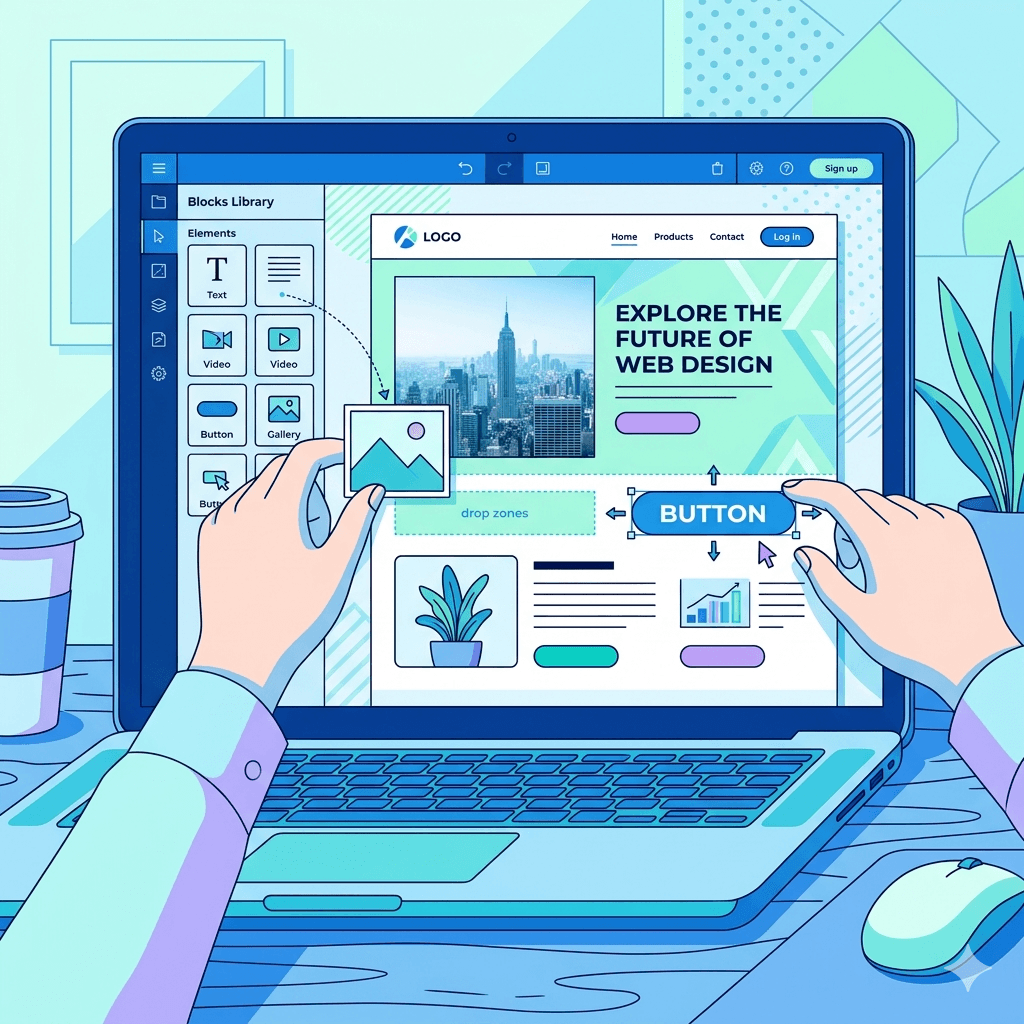
    A drag-and-drop website builder interface displayed on a laptop screen

    Wix is a cloud-based website builder that lets you create a website without writing a single line of code. Think of it like building with LEGO blocks. You pick a template, drag elements where you want them, and your site is live within hours.

    Wix was launched in 2006 and has grown to serve over 230 million users globally. It handles everything for you, including hosting, security updates, and technical maintenance. All you need to do is sign up, choose a plan, and start designing.

    For small businesses, bloggers, and entrepreneurs who want a professional online presence without hiring a developer, Wix is a popular starting point. It offers hundreds of templates, built-in apps for bookings, eCommerce, and contact forms, and a beginner-friendly interface that most people can figure out in a single afternoon.

    In short, Wix is the drag-and-drop website builder that trades deep flexibility for ease of use.

    3. What Is WordPress?

    WordPress is the world’s most popular content management system, or CMS. It powers over 43% of all websites on the internet, from personal blogs to major news outlets. Unlike Wix, WordPress is not a hosted platform. You download the software, install it on your own web hosting server, and build from there.

    WordPress comes in two versions. WordPress.com is a hosted version similar to Wix. WordPress.org is the self-hosted, open-source version that gives you full control over your website. Most developers and serious website owners use WordPress.org.

    The power of WordPress lies in its flexibility. With thousands of free and premium themes, plus over 59,000 plugins, you can build almost anything, from a simple blog to a complex online store.

    That flexibility comes with a learning curve, though. WordPress requires a bit more technical know-how than Wix, but it rewards that effort with scalability and control that Wix simply cannot match.

    4. What Is Custom Website Design?
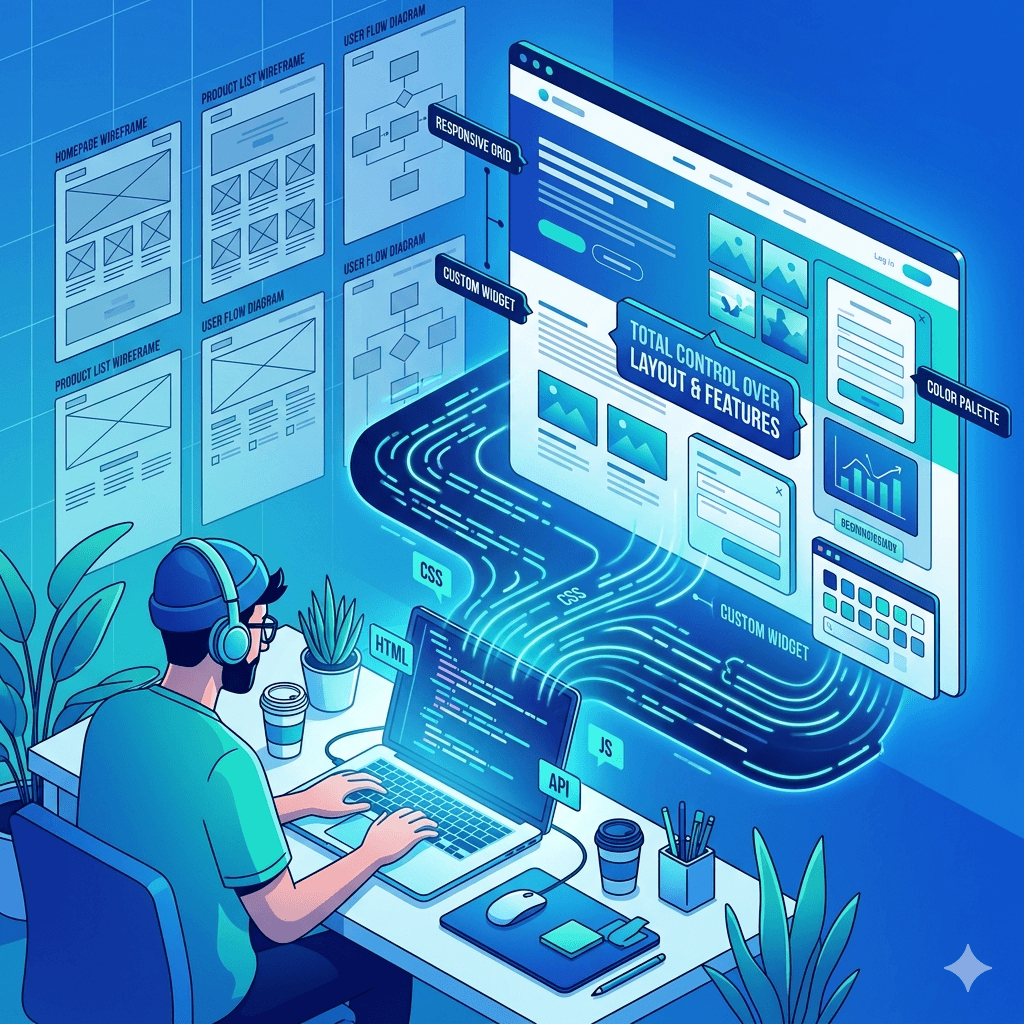
    A developer working on a laptop with code flowing into a fully designed website interface

    Custom website design means hiring a professional web designer or development team to build a website specifically for your business from scratch. There are no templates or pre-built frameworks to limit what you can create. Every element, from the layout to the color scheme to the database structure, is designed to meet your exact needs.

    Custom websites are often built using technologies like HTML, CSS, JavaScript, PHP, or frameworks like React or Laravel. The process usually involves a discovery phase, wireframing, design mockups, development, testing, and finally launch.

    This approach gives you complete control over how your website looks, performs, and grows. It also means you are not locked into any platform’s rules or pricing structure.

    Custom design is typically the most expensive option upfront, but for businesses with specific needs, complex workflows, or ambitious growth plans, it can be the most cost-effective long-term investment. Many web design services in Uganda offer this kind of tailored development at competitive rates.

    5. Key Differences Between Wix, WordPress, and Custom Design

    At a glance, these three platforms might seem to do the same thing, but they are actually quite different animals.

    Wix is a closed, all-in-one platform. Everything, including hosting, design tools, and updates, lives inside Wix’s ecosystem. You do not own the platform; you rent space on it. That is convenient, but it limits how far you can take your site.

    WordPress is open-source and self-hosted. You own your data and your website. You can move it to any host, customize it endlessly, and scale it however you need. But that freedom means you are also responsible for security, updates, and maintenance.

    Custom design sits in its own category entirely. You are not using anyone else’s platform. You own 100% of everything, and the site is built exactly to your specifications. The trade-off is time and cost.

    Here is a simple comparison:

    • Ease of Use: Wix wins for beginners, WordPress is moderate, custom design requires professionals

    • Cost: Wix has low entry cost, WordPress is moderate, custom design has higher upfront cost

    • Flexibility: Custom design wins, followed by WordPress, then Wix

    • Ownership: WordPress and custom design give full ownership; Wix does not

    • Scalability: Custom design and WordPress scale better than Wix

    6. Pros and Cons of Wix
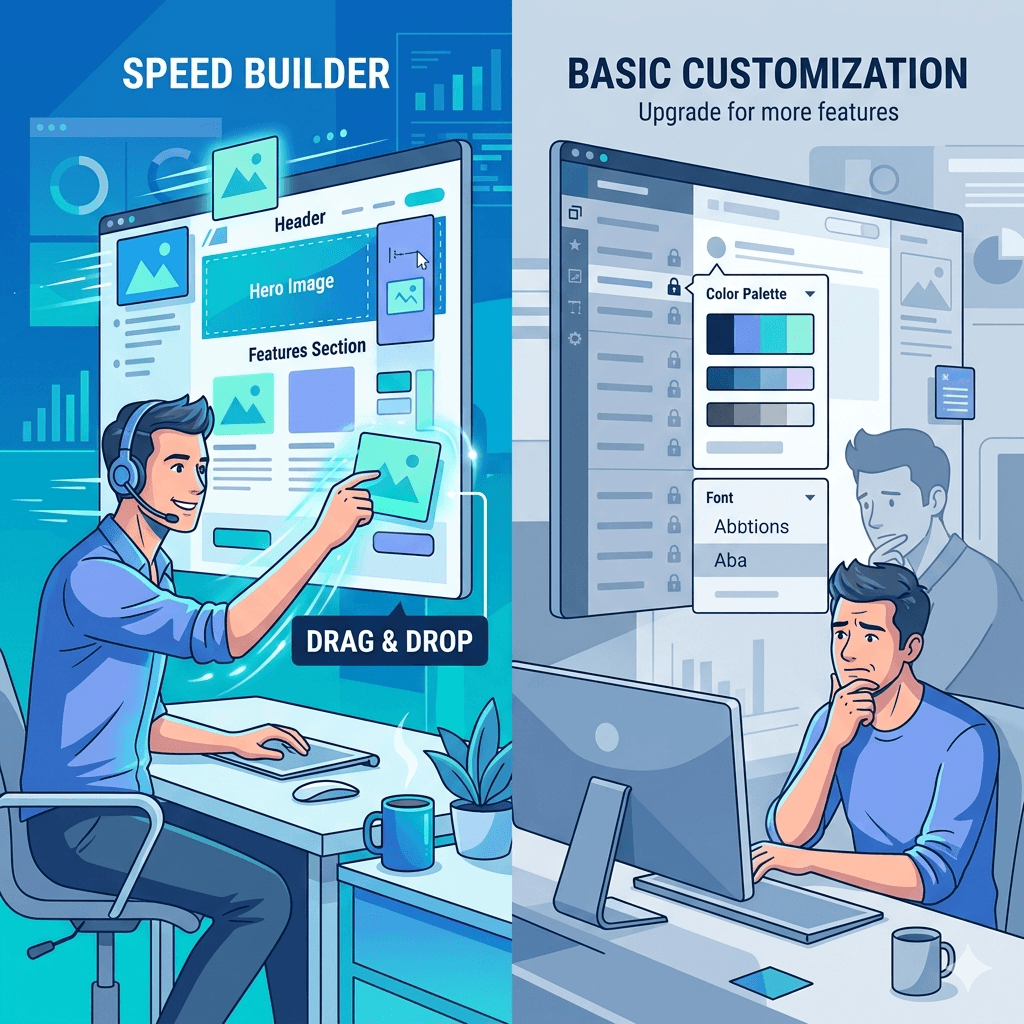
    A user quickly building a website on one side while another panel shows limited customization options

    6.1 Advantages of Wix

    The biggest advantage of Wix is how fast you can go from zero to a live website. You do not need any technical skills. The drag-and-drop editor is intuitive, and hundreds of professionally designed templates mean your site can look great without any design experience.

    Wix also handles all the behind-the-scenes work. Hosting, SSL certificates, automatic updates, and security patches all happen without you lifting a finger. For someone running a business and juggling ten other tasks, that is a huge relief.

    Other advantages include:

    • Built-in tools for bookings, eCommerce, blogging, and contact forms

    • A large library of apps through the Wix App Market

    • 24/7 customer support

    • No coding required at any stage

    • Free plan available for testing before committing

    6.2 Limitations of Wix

    The trade-off for all that convenience is limited control. Once you pick a template on Wix, you cannot switch to a different one without rebuilding your site. That is a frustrating constraint as your brand evolves.

    Wix also struggles with advanced SEO compared to WordPress. While it covers the basics, serious search engine optimization requires more control than Wix allows. Page speed can also be an issue, especially in Uganda where internet bandwidth is often limited.

    Additionally:

    • Your site is locked into Wix’s platform. You cannot migrate it elsewhere easily

    • The free plan includes Wix-branded ads on your site

    • Wix pricing can add up when you add premium apps

    • Not ideal for large, complex websites

    7. Pros and Cons of WordPress

    7.1 Advantages of WordPress

    WordPress gives you power and flexibility that Wix simply cannot match. Because it is open-source, there is a massive global community of developers building themes, plugins, and tutorials for it. Whatever feature you need, there is almost certainly a plugin that does it.

    From an SEO perspective, WordPress is superior. Plugins like Yoast SEO and Rank Math give you detailed control over how your site appears in search results, which is critical if you want customers in Uganda to find you on Google.

    Other advantages include:

    • Full ownership of your website and data

    • Thousands of free and premium themes to choose from

    • Highly scalable, from a simple blog to a large eCommerce store

    • Better long-term SEO capabilities

    • Large developer community for support and customization

    7.2 Limitations of WordPress

    WordPress requires more technical involvement. You need to manage your own hosting, handle software updates, and keep plugins up to date. Security is also your responsibility, which is why practices like regular WordPress backup are essential. Neglecting these things can leave your site vulnerable to hacks or crashes.

    Other limitations include:

    • Steeper learning curve for complete beginners

    • Costs can add up when purchasing premium themes, plugins, and hosting

    • Plugin conflicts can sometimes break your site

    • Ongoing maintenance is your responsibility

    8. Pros and Cons of Custom Website Design
    A premium, fully customized website interface being crafted from scratch

    8.1 Advantages of Custom Design

    A custom-built website is like having a suit tailored specifically for your body. It fits perfectly because it was made for you. Nothing is borrowed, templated, or compromised.

    Custom websites load faster because the code is lean and purpose-built. There is no bloated theme code or unused plugin features slowing things down. For businesses in Uganda where internet speed matters, this performance advantage is significant.

    Other advantages include:

    • Complete creative and functional control

    • Unique design that stands out from template-based competitors

    • Built to your exact business processes and workflows

    • Better performance and faster loading speeds

    • No platform dependency or lock-in

    • Scales precisely as your business grows

    8.2 Limitations of Custom Design

    The most obvious limitation is cost. A custom website requires hiring designers and developers, which means a higher upfront investment compared to Wix or WordPress. It also takes more time, often weeks or months, before your site is live.

    Other limitations include:

    • You depend on the development team for major changes

    • Ongoing costs for maintenance, updates, and support

    • Not practical for businesses that need a site up within days

    • Requires a clear brief and good communication with your team

    9. Cost Comparison in Uganda

    9.1 Initial Setup Costs

    Understanding the true website cost in Uganda means looking beyond the advertised price.

    Wix: A free plan exists but is very limited. Paid plans start at around $17 per month (roughly UGX 63,000). Business plans with full eCommerce features start at $36 per month or more.

    WordPress: The software itself is free, but you need to pay for hosting. Good hosting in Uganda typically costs between UGX 50,000 and UGX 200,000 per month. A premium theme might add another UGX 150,000 to UGX 500,000. Add a domain, and your initial setup might run between UGX 300,000 and UGX 1,500,000.

    Custom Design: This varies widely based on complexity. Simple brochure websites built by Kampala web designers might cost between UGX 1,500,000 and UGX 5,000,000. Complex eCommerce or business systems can reach UGX 10,000,000 to UGX 30,000,000 or more.

    9.2 Ongoing Maintenance Costs

    Wix ongoing costs are predictable. You pay your monthly subscription and that is mostly it. Hosting, security, and updates are included.

    WordPress ongoing costs include hosting renewals, domain renewals, plugin license renewals, and the time or money to keep things updated and secure.

    Custom website ongoing costs typically include hosting, domain renewal, and retainer or ad-hoc fees for any updates or fixes your developer handles.

    9.3 Hidden Costs to Consider

    With Wix, hidden costs often come from premium apps in the Wix App Market. Each app adds to your monthly bill. With WordPress, costs can creep up through premium plugin renewals, security tools, and backup services. With custom websites, rushing the project or poor planning often leads to extra development hours and increased costs.

    The honest truth is that no platform is truly cheap if you want it done right. Budget for quality, not just the lowest price.

    10. Ease of Use and Learning Curve
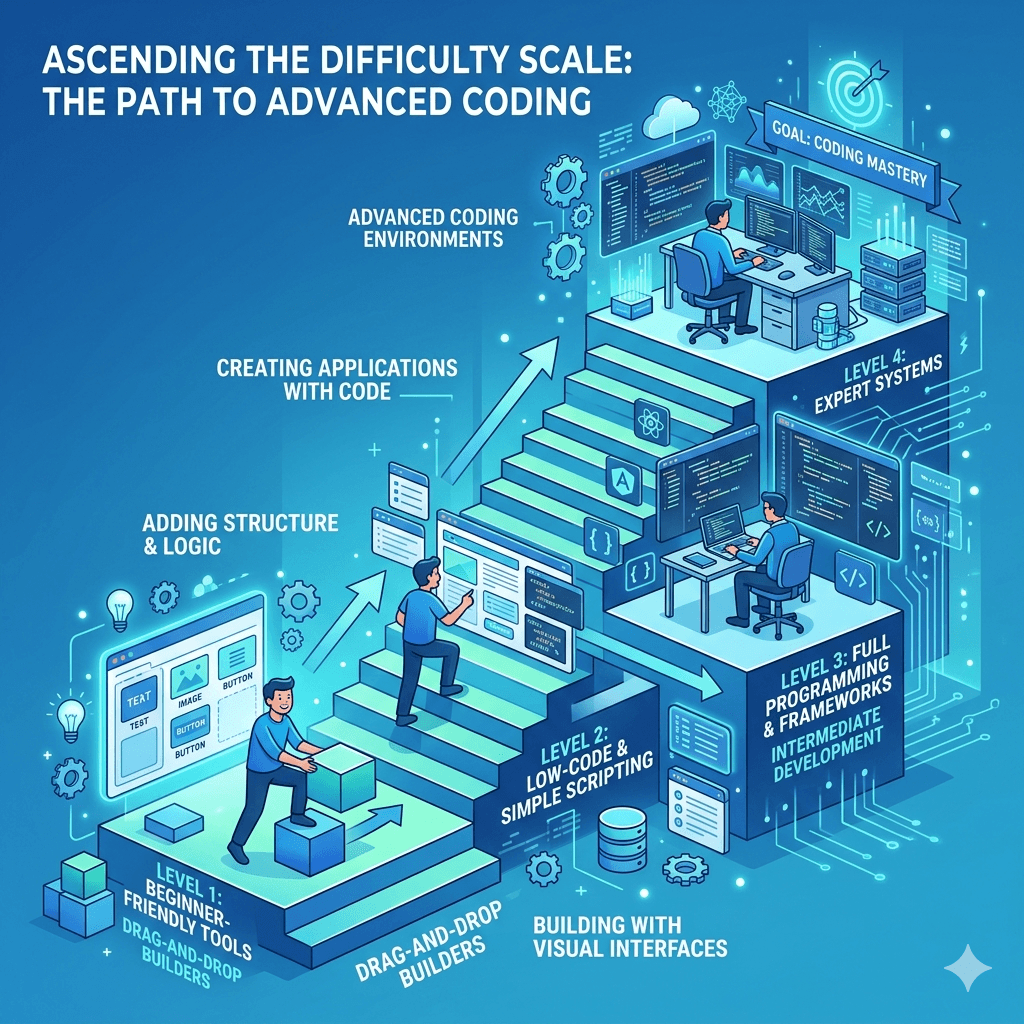
    A staircase illustration showing increasing difficulty levels from beginner-friendly tools to advanced coding environments

    10.1 Beginner Friendliness

    Wix is the clear winner for absolute beginners. You can have a functional website live in a few hours with no prior experience. The interface is visual and intuitive. If you can drag a file into a folder on your computer, you can use Wix.

    WordPress has a moderate learning curve. Setting up hosting, installing WordPress, choosing a theme, and installing plugins takes more effort. But once you get past that initial setup, it becomes much easier to manage. Thousands of video tutorials and guides make the learning process accessible even without technical training.

    Custom design requires no hands-on effort from you during the build process, since professionals handle everything. However, you need strong communication skills to convey your vision clearly to the team.

    10.2 Technical Skills Required

    Wix requires zero technical skills to get started. WordPress requires basic technical understanding but no coding. Custom design is handled entirely by developers, so technical skills are not required from the business owner, only clear communication and decision-making.

    11. Design Flexibility and Customization

    Design flexibility is where the three options truly separate themselves.

    Wix offers hundreds of templates, and you can customize them using the visual editor. However, there are limits to what you can change. The underlying code is not accessible, which means a developer cannot come in and make deep structural changes. What you see in the editor is what you get.

    WordPress offers significantly more design flexibility. You can install any theme, modify it with CSS, use page builder tools like Elementor or Beaver Builder, and add virtually any functionality through plugins. With a developer’s help, you can make WordPress look and work almost exactly as you imagine.

    Custom design offers unlimited flexibility. Every pixel is intentional. There are no template constraints, no platform limitations, and no workarounds needed. If you can design it, a skilled development team can build it. For businesses in Uganda with strong brand identities or unique workflow requirements, this level of control is invaluable.

    12. SEO and Performance Comparison

    12.1 Built-in SEO Features

    All three platforms support basic SEO practices, but they do so at different levels of depth.

    Wix has improved its SEO tools significantly over the years. You can edit meta titles, descriptions, alt text, and URLs. However, it still lacks some of the advanced control that WordPress provides.

    WordPress, especially with plugins like Yoast SEO or Rank Math, gives you granular control over every SEO element. Schema markup, canonical tags, XML sitemaps, and breadcrumb navigation are all manageable through free tools. This is why most serious businesses and bloggers choose WordPress when search engine visibility is a priority.

    Custom websites can be built with SEO best practices baked in from the very first line of code, which often gives them an edge in performance and structure.

    12.2 Speed and Performance

    Page speed affects both user experience and search rankings. Slow websites lose visitors. In Uganda, where bandwidth can be inconsistent, website speed is not just a technical concern. It is a business concern.

    Wix websites can be slow due to the platform’s code structure. Custom design and well-optimized WordPress sites generally perform better, especially when hosted on quality servers with content delivery networks.

    12.3 Mobile Optimization

    All three platforms support responsive web design and mobile-friendly websites. Wix automatically adjusts your layout for mobile, though the result is sometimes imperfect and requires manual tweaking. WordPress themes designed with responsive web design in mind perform well on all screen sizes. Custom websites can be built mobile-first, ensuring flawless performance across devices, which is especially important in Uganda where most users access websites on smartphones.

    13. Best Option for Different Types of Users
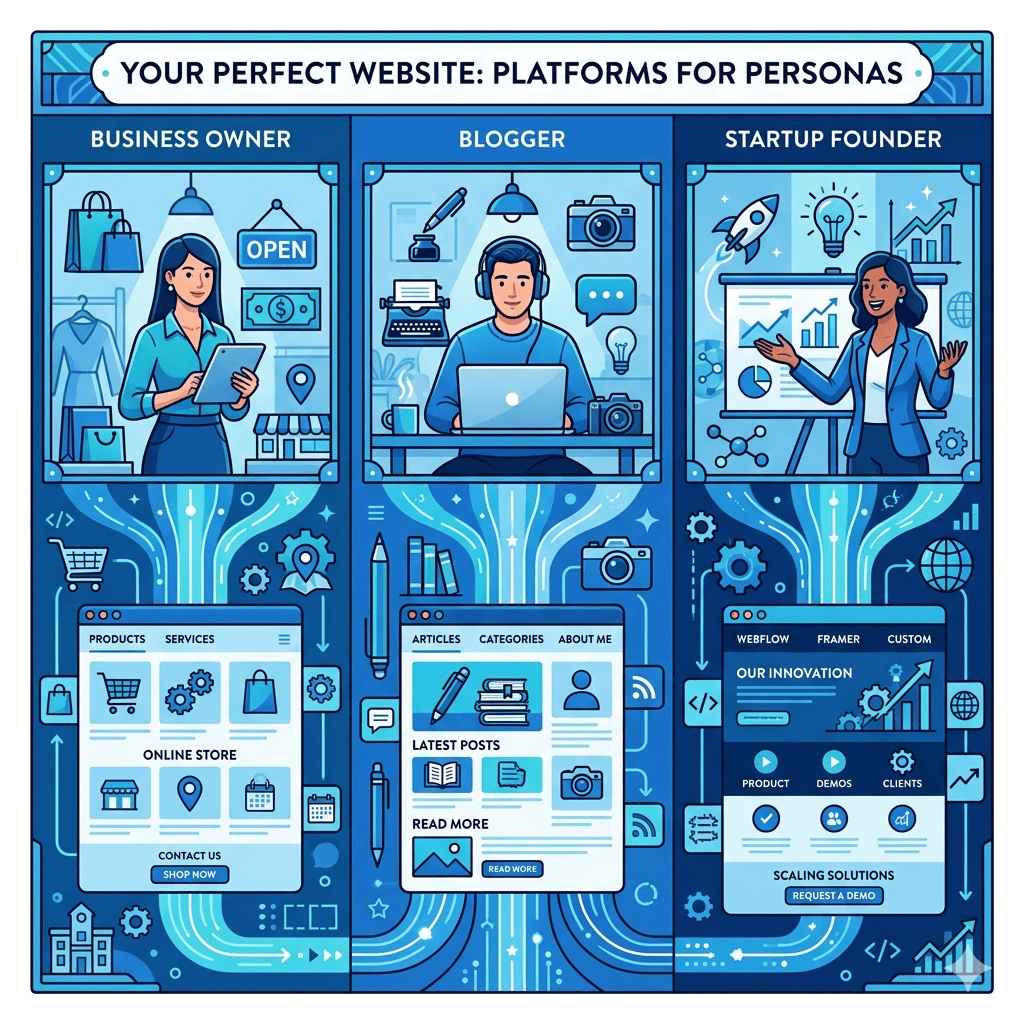
    Different user personas (business owner, blogger, startup founder

    13.1 Small Business Owners

    If you own a small business in Uganda and need a clean, professional website without the complexity, Wix or WordPress on a managed hosting plan is a solid starting point. Wix works well for service businesses like salons, restaurants, and retail shops that need simple pages and a booking or contact feature. WordPress suits those who plan to grow and need better SEO capabilities from day one.

    13.2 Startups and Entrepreneurs

    Startups often need speed and flexibility simultaneously. WordPress is a strong choice here because it can grow with your business. If your startup plans to build an online store, comparing the right eCommerce platform options early saves you from costly migrations later. Custom design becomes worth considering when your startup has a product or service that requires a truly unique digital experience to compete.

    13.3 Bloggers and Content Creators

    WordPress was built for content publishing and it remains the best platform for bloggers and content creators. The editorial tools, content scheduling, category and tag systems, and SEO plugins make it ideal for anyone who publishes regularly. Wix can handle simple blogging, but for serious content strategies, WordPress wins every time.

    13.4 Established Businesses

    Established businesses with serious revenue, complex workflows, and long-term digital strategies are usually best served by either a custom website or a heavily customized WordPress build. At this level, investing in quality web design services in Uganda pays dividends in brand perception, performance, and conversion rates. The extra cost is justified by the results.

    14. How to Choose the Right Platform for Your Needs

    14.1 Define Your Goals

    Start by asking yourself what the website needs to do. Is it a digital business card? An online store? A content hub? A booking platform? Different goals point to different platforms. A brochure site is fine on Wix. A content-heavy blog is better on WordPress. A complex store or application benefits from custom development.

    14.2 Set Your Budget

    Be honest about what you can afford both upfront and on an ongoing basis. Wix has the lowest barrier to entry but recurring monthly fees. WordPress has moderate setup costs with ongoing hosting and maintenance. Custom design has higher upfront investment but can be the most cost-efficient over a five-year horizon for growing businesses.

    14.3 Consider Your Technical Skills

    If you have no technical background and no plans to hire a developer, Wix is the safest bet. If you are willing to learn or have a tech-savvy team member, WordPress offers far more reward for the effort. If you want to focus entirely on running your business and let experts handle the website, partnering with a reliable web design company in Uganda for a custom build makes the most sense.

    14.4 Think Long-Term

    Whatever platform you choose today, think about where your business will be in three to five years. Switching platforms later is possible but painful. Choose something that grows with you rather than something you outgrow quickly. If you need help evaluating your options, working with an experienced web design company in Uganda can save you time, money, and frustration in the long run.

    15. Common Mistakes to Avoid

    15.1 Choosing Based Only on Price

    The cheapest option today can become the most expensive option tomorrow. Choosing Wix because the free plan is available, then realizing you need features that require upgrades and add-ons, often costs more than a well-planned WordPress site from the start. Always calculate total cost of ownership, not just the entry price.

    15.2 Ignoring Scalability

    Your website needs to grow with your business. A platform that works perfectly for 100 visitors a month may buckle under 10,000. Choose a scalable website solution from the beginning, especially if you have growth ambitions. Rebuilding your site from scratch in two years is a costly and disruptive mistake many Uganda businesses make.

    15.3 Overlooking SEO and Performance

    Many business owners focus entirely on how the website looks and forget about how it performs. A beautiful site that loads slowly or ranks nowhere on Google will not generate leads. Before you launch, make sure your chosen platform supports solid SEO-friendly website design, fast load times, and mobile-friendly websites. These are not optional extras. They are baseline requirements for any website that wants to compete online in Uganda today.

    16. Final Verdict: Which Is Right for Uganda?

    There is no single answer that works for everyone, but there are clear patterns.

    Choose Wix if you are just starting out, have a tight budget, need a simple website quickly, and do not plan to do heavy SEO or complex functionality.

    Choose WordPress if you are serious about growing online, need strong SEO capabilities, want to scale your website over time, and are willing to invest a bit more effort or money into setup and maintenance.

    Choose custom website design if you have a clear business need that templates cannot meet, want a website that truly represents your brand, have a bigger budget, or are running an established business that requires a competitive digital edge.

    For most small business owners and entrepreneurs in Uganda, WordPress is the sweet spot. It offers the best balance of flexibility, cost, SEO, and long-term scalability. But whatever you choose, building your website with intention and a clear strategy will always beat picking randomly and hoping for the best.

    17. Frequently Asked Questions

    17.1 Is Wix good for small businesses in Uganda?

    Yes, Wix is a solid option for small businesses in Uganda that need a simple, attractive website without technical complexity. It works well for service businesses, local shops, and solo entrepreneurs. However, if SEO and long-term growth are priorities, WordPress may serve you better.

    17.2 Is WordPress better than Wix for SEO?

    Yes. WordPress gives you significantly more control over SEO elements, especially when combined with plugins like Yoast or Rank Math. For businesses that rely on organic search traffic in Uganda, WordPress is the stronger choice.

    17.3 How much does it cost to build a website in Uganda?

    Costs vary widely. A basic Wix website might cost UGX 50,000 to UGX 200,000 per month depending on your plan. A WordPress website setup can range from UGX 300,000 to UGX 1,500,000 initially, with ongoing hosting fees. Custom websites start from UGX 1,500,000 and can go much higher depending on complexity.

    17.4 Do I need coding skills for WordPress or Wix?

    No. Wix requires zero coding. WordPress requires no coding for basic setups, especially when using page builders like Elementor. Coding becomes helpful when you need advanced customizations, but most everyday tasks can be done without writing a single line of code.

    17.5 When should I choose custom website design?

    Choose custom design when your business has unique requirements that templates cannot meet, when brand differentiation is critical, when you need specific integrations with business systems, or when you are an established business investing in a serious digital presence.

    17.6 Which platform is best for eCommerce in Uganda?

    WordPress with WooCommerce is the most popular and powerful eCommerce solution for Uganda businesses at most price points. Wix also supports online stores but with more limitations. Custom eCommerce solutions make sense for high-volume or complex online businesses.

    17.7 Can I switch platforms later?

    Yes, but it is not easy. Moving from Wix to WordPress, for example, requires rebuilding your site almost entirely since Wix does not allow direct data export. Moving between WordPress and custom design is more manageable. The safest approach is to choose the right platform from the start.

    17.8 Which option is fastest to launch?

    Wix is the fastest option. You can have a basic website live within a single day. WordPress typically takes a few days to a couple of weeks, depending on the setup. Custom website design takes the longest, usually several weeks to a few months, depending on the project scope.

  • Free Website Builders vs Paid Web Designers: The Real Cost for Ugandan Businesses

    Free Website Builders vs Paid Web Designers: The Real Cost for Ugandan Businesses

    So, you’ve decided it’s time to take your business online. Congratulations, that’s a smart move. But then comes the question that trips up almost everyone starting out: Do I use a free website builder, or do I hire a paid local web designer in uganda?

    It sounds simple at first. One option is free. The other costs money. Case closed, right?

    Not exactly.

    The truth is, the real cost of website in Uganda   whether free or paid   goes well beyond what you see upfront. There are hidden fees, lost time, missed sales, and long-term consequences that most people don’t think about until they’re already stuck.

    Think of it like buying a car. A brand-new vehicle off the lot costs more upfront, but it comes with reliability, warranty, and everything working as it should. A used car with no history might seem cheaper, but the repair bills and headaches can quickly make it more expensive than the new one.

    This article breaks down both options honestly   the benefits, the drawbacks, and the real numbers   so you can make the best choice for your specific business. Whether you’re launching an online shop, a service business, or a portfolio, you’ll find the answers you need here.

    Let’s get into it.

    1. What is a Free Website Builder?

    A free website builder is an online tool that lets you create a website without writing any code. Think of it as a digital Lego set   you drag and drop pieces (images, text boxes, buttons) onto a page until you have something that looks like a website.

    Some of the most popular free website builders include:

    • Wix   known for its drag-and-drop simplicity and wide template library

    • WordPress.com   offers a free tier with basic blogging and website features

    • Weebly   beginner-friendly with basic e-commerce tools

    • Shopify (free trial)   focused on online stores, with paid plans after the trial

    • Google Sites   very basic, mainly used for internal business pages

    Here’s how they typically work: you sign up for a free account, choose a template that fits your industry, add your content, and hit publish. Your site goes live on a subdomain like yourbusiness.wix.com or yourbusiness.wordpress.com.

    For someone just testing the waters or building a personal project, this is a quick and accessible entry point. But for a business that wants to grow and look professional online, it’s important to understand what you’re actually getting   and what you’re giving up.

    2. What is a Paid Web Designer?

    “A professional web designer at a modern desk, sketching layouts on paper

    A paid web designer (or web design agency) is a professional   or team of professionals   who builds your website for you. Instead of using a template, they create something tailored specifically to your brand, your audience, and your business goals.

    When you hire a web designer, you’re typically getting:

    • A custom design built around your brand colors, logo, and identity

    • A fully functional website optimized for speed and user experience

    • Integration of features like payment gateways (including Mobile Money), product listings, booking systems, or contact forms

    • Search engine optimization (SEO) foundation to help your site rank on Google

    • Ongoing support to fix issues, update content, and keep your site running well

    In Uganda, professional web design services range from small freelancers charging a few hundred thousand shillings to full-service agencies offering complete packages for e-commerce, branding, and ongoing maintenance.

    If you want to explore what professional work actually looks like, the portfolio at KicoWeb Design shows real examples of custom websites built for Ugandan businesses   from retail to services.

    The key difference from a free builder is this: a paid web designer doesn’t just give you a website. They give you a business tool built to convert visitors into customers.

    3. Benefits of Using Free Website Builders

    Free website builders genuinely have their advantages, especially when you’re just starting out. Let’s be fair and look at what they do well.

    3.1 Ease of Setup and No Upfront Cost

    This is the biggest selling point. You don’t need any technical knowledge, and you don’t spend a single shilling to get started. Sign up, pick a template, add your content, and your website is live   sometimes in a single afternoon.

    For a business owner who is still testing a product idea or validating demand, this is genuinely useful. It costs nothing to try, and you can get a basic web presence up quickly.

    3.2 Quick Deployment for Online Presence

    Speed matters. If you need a simple website today   maybe for a market event, a product launch, or to share your contact details   a free DIY website builder in Uganda gets you there fast.

    There’s no waiting for a designer to finish your project. You’re in control of the timeline, and you can publish as soon as you’re ready.

    3.3 Basic Templates and Features Included

    Free builders come with dozens (sometimes hundreds) of templates across different industries. They also include basic features like:

    • A simple product or service listing page

    • A contact form

    • A photo gallery

    • Basic blog functionality

    For very simple informational websites   like a restaurant menu page or a hair salon’s contact page   these templates can work well enough.

    4. Drawbacks of Free Website Builders

    A small website on a laptop trapped inside a cage, color palettes and design elements locked

    Now here’s where things get interesting. Free website builders have some significant limitations that can hurt your business, especially as you grow. Understanding these hidden costs of free website builders is essential before you commit.

    4.1 Limited Customization and Branding Options

    Free plans give you a template   but everyone else using that platform can use the same template. Your website ends up looking like dozens of others. Branding is about standing out, and a cookie-cutter template doesn’t help you do that.

    You’ll also find that many customization options   custom fonts, specific color schemes, removing the builder’s branding   are locked behind paid upgrades.

    4.2 Platform Restrictions and Ads

    One of the biggest frustrations with free tiers is the advertising. Platforms like Wix will display their own ads on your free website. Imagine a customer visiting your online store and seeing a banner at the bottom saying “Made with Wix   Create your own website for free.” It looks unprofessional and undermines trust.

    You also don’t get a custom domain name on the free plan. Instead of www.yourbusiness.com, you get www.yourbusiness.wix.com. That small difference signals to customers that you haven’t invested in your business   and it can hurt your credibility more than you’d expect.

    4.3 Scalability Challenges for Growing Businesses

    This is perhaps the most important limitation. Free builders are designed for simple, small websites. Once your business starts growing   more products, more traffic, more payment options, more integrations   the free platform struggles to keep up.

    You’ll hit limits on storage, bandwidth, and features. The only way to get around those limits is to pay for upgrades, at which point the “free” option isn’t free anymore. And if you eventually outgrow the platform entirely, you’ll have to migrate everything to a new site   losing time, money, and possibly search engine rankings in the process.

    5. Benefits of Hiring a Paid Web Designer

    Now let’s talk about what you actually get when you invest in professional web design services. For many businesses, the return on that investment is well worth it.

    5.1 Custom Designs Tailored to Brand Identity

    A professional web designer doesn’t start from a template   they start from your brand. They learn about your business, your customers, your competitors, and your goals. Then they build something that reflects all of that.

    The result is a website that looks unique, feels professional, and tells your brand’s story in a way that resonates with Ugandan customers. This isn’t just about aesthetics   it’s about trust. People buy from businesses they trust, and a polished, professional website builds that trust from the first click.

    You can see this difference clearly by checking out some professionally designed websites for Ugandan businesses to compare what’s possible.

    5.2 Better Functionality and Scalability

    A custom-built site can handle exactly what your business needs   product catalogues, online payments, booking systems, customer accounts, inventory tracking, and more. And as your business grows, the site can grow with it.

    For businesses planning to sell online, professional e-commerce services include things like Mobile Money integration, secure checkout flows, and product management systems that free builders simply can’t match.

    5.3 Access to Expert Advice and Ongoing Support

    When something breaks on a free website, you’re on your own   scrolling through forums and YouTube tutorials to figure it out. With a paid web designer, you have someone to call.

    Many professional designers offer web maintenance services that include regular updates, security monitoring, backups, and technical support. That peace of mind has real value, especially for business owners who’d rather focus on running their business than troubleshooting website errors.

    6. Drawbacks of Paid Web Designers

    Ugandan business owner looking at a calculator and rising price icons,

    To be fair, hiring a professional isn’t without its challenges. Here’s what to be aware of going in.

    6.1 Higher Upfront Costs

    This is the most obvious drawback. Professional web design costs more upfront   sometimes significantly more. For a small business with tight cash flow, this can be a real barrier.

    Website design pricing in Uganda varies widely, but you can get a clear picture of what professional services cost by checking the KicoWeb Design pricing page to compare packages and find one that fits your budget.

    The key is to think about this as an investment, not an expense. A well-built website that attracts and converts customers can pay for itself many times over.

    6.2 Longer Development Timelines

    A custom website takes time to build properly. Depending on the complexity of your project, it could take anywhere from two weeks to two months. If you need something live immediately, this can be a frustrating wait.

    That said, a good designer will give you a clear timeline upfront, and the extra time usually results in a much better final product.

    6.3 Dependence on Designer for Updates

    Once your site is built, some updates   changing a photo, adding a product, editing your contact details   may require you to go back to your designer unless they set up an easy content management system (CMS) for you.

    This can slow things down and add to your ongoing costs. The solution? Before you sign any contract, make sure to discuss how updates will work. A good designer will either train you to make simple changes yourself or build a CMS that makes it easy.

    7. Cost Comparison: Free vs Paid for Ugandan Businesses

    Let’s talk numbers. Understanding the web design cost comparison for free vs paid options requires looking beyond the sticker price.

    7.1 One-Time vs Recurring Costs

    Free website builders often start free but shift to subscription models for anything useful. Here’s a realistic breakdown:

    Cost ItemFree Builder (Annual)Paid Web Designer (Once-off)
    Setup / DesignFree – UGX 0UGX 800K – 3M+
    Custom Domain (.com)~UGX 100K–150K/year~UGX 100K–150K/year
    HostingIncluded (limited)~UGX 200K–600K/year
    Premium Plan UpgradeUGX 500K – 2M+/yearN/A (one-off)
    E-commerce FeaturesUGX 900K – 3M/yearIncluded in design
    MaintenanceSelf-managed (your time)UGX 200K–500K/year

    Key insight: A “free” builder that you actually need for a real business often costs UGX 1.5M–5M per year once you add a domain, premium plan, and e-commerce tools. A professionally built site may cost more upfront but less over 3–5 years.

    7.2 Hidden Fees and Add-ons

    The hidden costs of free website builders add up fast. Here’s what catches people off guard:

    • Transaction fees: Some free e-commerce builders charge 2–3% on every sale

    • Storage limits: Run out of space and you’re forced to upgrade

    • Email hosting: Free builders rarely include professional email (info@yourbusiness.com)

    • SEO tools: Advanced SEO features are almost always locked behind a paid plan

    • App integrations: Adding payment options, booking systems, or chat support often requires paid plugins

    7.3 ROI Considerations for Small Business Owners

    Here’s the bottom line: the cheapest option isn’t always the most profitable option.

    A professionally designed website can rank higher on Google, convert more visitors into buyers, and build more trust with your audience. If your website generates even a few extra sales per month as a result of professional design and SEO, it pays for itself quickly.

    This is why understanding how to write website content that ranks on Google in Uganda is just as important as the platform you choose   the best website in the world is useless if no one can find it.

    8. How to Decide Which Option is Right for Your Business

    Entrepreneur examining different-sized buildings representing business scale

    There’s no single answer that works for everyone. The right choice depends on your specific situation. Here are three key factors to consider.

    8.1 Assess Your Business Size and Growth Plans

    If you’re testing a business idea, just starting out, or running a very small side project, a free website builder might be enough to get you started. There’s no shame in starting small.

    But if you have a clear business plan, real products or services to sell, and serious growth goals, investing in a professional website from the beginning saves you from having to rebuild everything later. Think about where you want to be in two or three years, and build accordingly.

    8.2 Consider Budget Constraints

    Budget is a real constraint, and that’s okay to acknowledge. If you simply don’t have the funds for a paid designer right now, a free builder can serve as a temporary bridge. Just go in with open eyes about its limitations.

    Many agencies offer flexible website design packages in Uganda that can be staged over time   paying for core setup now and adding features later. Check out the available web design services to see what fits your budget.

    8.3 Evaluate Technical Skills and Support Needs

    Be honest with yourself about your technical comfort level. If you enjoy tinkering, learning, and managing things yourself, a DIY website builder might be fun and manageable. If you’d rather spend your energy on your business and not on website maintenance, a paid designer with ongoing support is worth every shilling.

    Also consider what happens when things go wrong. Free builders offer limited customer support   often just a help center and community forums. A professional designer is a phone call away.

    9. Tips to Maximize Value from Your Website

    Whichever route you choose, here’s how to make the most of your investment.

    9.1 Optimize Website Speed and Usability

    A slow website loses customers fast. Research consistently shows that if a page takes more than three seconds to load, most visitors leave. Make sure your images are compressed, your videos are hosted externally (like on YouTube), and your site isn’t loaded down with unnecessary plugins or scripts.

    Speed matters even more in Uganda, where many users are on mobile data connections that aren’t always blazing fast.

    9.2 Focus on Mobile-Friendly Design

    The majority of internet users in Uganda access the web from a smartphone. If your website doesn’t look good and function properly on a phone screen, you’re losing a huge portion of potential customers before they even see what you sell.

    Make sure your website uses responsive design   meaning it automatically adjusts to fit any screen size. This should be a non-negotiable for any website you build or commission.

    For businesses selling products online, exploring e-commerce website design options tailored for Uganda can help ensure your site is built mobile-first from the start.

    9.3 Plan Content and Product Layout Effectively

    Your website is only as good as the content on it. Before you launch   whether with a free builder or a custom design   take time to plan your pages carefully.

    Think about what your customer wants to find immediately: your products, your prices, your contact details, and how to buy from you. Reading up on how to write website content that ranks on Google in Uganda can give you a solid framework for structuring your pages.

    Also, if you’re planning to accept payments online, make sure you’ve thought through your payment options. Understanding MTN Mobile Money vs Airtel Money for your Uganda website is a crucial step before you go live.

    And once your site is up and running, use Google Analytics to track your visitors and understand how people interact with your site. This data will help you make smarter decisions about content, products, and marketing.

    10. Frequently Asked Questions (FAQs)

    Here are answers to the questions Ugandan entrepreneurs ask most often when weighing up their website options.

    11.1 Can I Start with a Free Builder and Upgrade Later?

    Yes, but with some caveats. Many free builders offer paid tiers you can upgrade to. However, if you eventually outgrow the platform entirely and need to migrate to a custom site, you may lose your URL history, SEO rankings, and have to rebuild content from scratch. It’s possible, but it’s not always smooth.

    11.2 How Much Does a Basic Website Cost in Uganda?

    The cost of a website in Uganda varies widely. A basic informational site with a few pages can start from UGX 600,000–1,500,000. A fully functional e-commerce site with payment integration typically starts from UGX 1.5M and goes up depending on complexity. See the KicoWeb Design pricing page for specific package details.

    11.3 Will a Paid Designer Handle SEO for My Site?

    Most professional designers build basic SEO into your site   things like clean code structure, fast load times, and proper page titles. But ongoing SEO (like writing keyword-rich content and building backlinks) is usually a separate service. Ask your designer specifically what’s included. You can also check the FAQ page for more details on what services include.

    11.4 Are Free Website Builders Secure for Online Payments?

    Free tiers of most builders are NOT suitable for processing payments. You’ll need at minimum their paid e-commerce plan, and even then, the security and local payment integrations (like MTN Mobile Money) may be limited. For a business accepting online payments, a custom-built solution is generally more secure and flexible.

    11.5 How Long Does It Take to Launch a Website with a Designer?

    Typically, a basic website takes 2–4 weeks. A more complex e-commerce website takes 4–8 weeks or longer. The timeline depends on how quickly you provide content, feedback, and approvals. Discuss timelines clearly before signing any contract.

    11.6 Can I Manage Updates Myself After Hiring a Designer?

    Yes   if your designer sets up a CMS (like WordPress) properly, you should be able to update product listings, change photos, add blog posts, and edit basic content yourself without any coding. Make sure to ask for training on how to use it.

    11.7 Which Option is Better for E-Commerce Businesses?

    For a serious e-commerce business, a professionally built website almost always wins. Free builders for e-commerce have limited payment options, transaction fees, and scalability issues. A custom e-commerce website design for Uganda includes proper Mobile Money integration, inventory management, and a checkout flow built around your customers’ needs.

    Also keep in mind that your website setup is just one piece of the puzzle   you’ll also need to think through operational policies like how to handle returns and refunds on your Ugandan online store, which affect customer trust and repeat business.

    11.8 Are There Ugandan-Specific Website Builder Platforms?

    As of now, there are no widely-used DIY website builders built specifically for the Ugandan market. Most businesses use international platforms (Wix, WordPress, Shopify) or work with local web designers who understand the Ugandan business environment, payment systems, and customer behaviour. Local professionals often provide a more tailored fit for businesses operating in Uganda.

    Final Thoughts: Making the Smart Choice

    The website builder vs web designer debate doesn’t have one universal answer. It depends on your budget, your goals, your timeline, and how seriously you want to compete online.

    Free website builders are a useful starting point for some businesses   especially those with very limited budgets who just need a basic online presence quickly. But they come with real limitations that can hold you back as you grow.

    A professionally designed website, on the other hand, is built to work for your business   not against it. It looks better, functions better, ranks better, and converts better. And over time, the investment tends to pay for itself many times over.

    Whichever path you choose, the most important thing is to start. A basic website today is better than a perfect website that never gets built.

    If you’re ready to explore what a professional website could do for your business, explore KicoWeb Design’s web design services or view the pricing page to find a package that works for you.

  • How to Design a Website That Builds Trust with Ugandan Customers

    How to Design a Website That Builds Trust with Ugandan Customers

    A practical guide for small business owners and entrepreneurs in Uganda

    1. Introduction

    Imagine walking into a shop with no signage, no prices displayed, and no one to greet you. You’d probably turn around and leave. Your website works the same way. For many Ugandan customers, your website is their first encounter with your business   and first impressions matter more than ever online.

    Uganda’s internet user base is growing fast. More people are searching for products and services online before they spend a single shilling. But browsing doesn’t automatically lead to buying. People need to trust your website before they pick up the phone, fill out a contact form, or send mobile money.

    This guide walks you through how to design a website that builds trust with Ugandan customers from the basics of professional layout to local SEO, payment options, and beyond. Whether you’re building your first site or improving an existing one, you’ll find practical tips you can act on right away.

    2. What Builds Trust in a Website?

    Trust isn’t something you can bolt onto a website as an afterthought. It’s built into every design choice, every word you write, and every feature you offer. Understanding the website design basics helps you see how each element works together to shape how visitors feel about your business.

    At its core, website trust comes from three things:

    • Credibility   Does the site look legitimate and professional?
    • Reliability   Does it work well, load fast, and feel secure?
    • Relevance   Does it speak to the visitor’s needs in a way that feels familiar?

    Think of your website like a business suit. A well-fitted, clean suit signals that you take your work seriously. A wrinkled, outdated one   even if the person inside is talented   raises doubts. The same applies online. Clean design, accurate information, and a smooth experience all tell visitors: “This business is for real.”

    Trust signals can be visual (professional photos, clean layout), functional (fast load speed, secure connection), or social (customer reviews, visible partnerships). Together, they paint a picture of a business worth trusting.

    3. Why Trust Matters for Ugandan Customers

    Online fraud is a real concern across East Africa. Many Ugandan consumers have heard stories   or experienced firsthand   about fake websites, failed deliveries, or money lost to unverified sellers. This creates a higher barrier to trust online compared to buying from a familiar market vendor face-to-face.

    As a result, Ugandan customers pay close attention to signals that prove legitimacy. They look for local addresses, working phone numbers, familiar payment options like MTN Mobile Money or Airtel Money, and reviews from people they can relate to. A site that looks foreign, vague, or poorly maintained sends them running.

    On top of that, many internet users in Uganda access the web primarily on mobile devices with varying connection speeds. A site that crashes, loads slowly, or looks broken on a phone damages trust instantly.

    Here’s the good news: building trust doesn’t require a massive budget. It requires attention to the right details   and that’s exactly what this guide covers.

    4. Key Elements of a Trustworthy Website

    A layered infographic-style illustration showing core website elements

    Before we dive into design specifics, let’s look at the foundational elements every trustworthy website needs. These are the building blocks   the must-haves before anything else.

    4.1 Clear Business Information

    Make it easy for visitors to know who you are and how to reach you. Your business name, physical address (if applicable), phone number, and email should be easy to find   ideally on every page via the header or footer. Vague websites with no contact details are an immediate red flag.

    4.2 Professional Design and Layout

    A clean, organized layout signals professionalism. Use consistent fonts, a clear color palette, and enough white space so the page doesn’t feel cluttered. Think of it like a well-organized shop: everything in its place, easy to navigate.

    4.3 Secure Browsing (HTTPS)

    An SSL certificate gives your website the “https://” prefix and the padlock icon in the browser. Visitors especially those about to make a payment notice this immediately. Without it, some browsers even display a “Not Secure” warning, which can scare visitors away instantly. Website security SSL importance becomes even more critical when you’re asking customers to share personal or payment details.

    4.4 Fast Loading Speed

    Nobody waits more than a few seconds for a slow website. In Uganda, where many users are on mobile data, a heavy page that takes forever to load is a dealbreaker. Optimize your images, use reliable hosting, and test your speed regularly.

    4.5 Mobile-Friendly Design

    With mobile internet usage dominating in Uganda, your site must look and work great on small screens. A responsive web design automatically adjusts to different screen sizes   making your site readable and usable whether someone’s on a smartphone, tablet, or desktop.

    5. How to Design a Website That Builds Trust

    A designer working on a clean website layout with elements like reviews, contact info, branding, and certifications being added as floating UI components

    Now let’s get into the practical side. These web development tips give you a step-by-step approach to building a website that earns visitor confidence from the moment they land on your page.

    5.1 Use Simple and Clean Design

    Resist the urge to fill every corner of your page with content, colors, or animations. A clean website design communicates confidence. Use a simple color scheme (two or three colors), readable fonts at comfortable sizes, and plenty of breathing room between elements.

    If you’re unsure where to start, look at websites of successful Ugandan businesses or admired brands in your industry. Notice what they have in common: simplicity, clarity, and focus.

    5.2 Add Real Contact Details and Location

    One of the biggest trust signals a Ugandan customer looks for is real contact information. Include a phone number that actually answers, a professional email address (not a free Gmail if possible), and your physical address or service area. A Google Maps embed on your contact page works wonders.

    Contact page best practices also include adding a simple contact form and listing your business hours. The easier you make it to reach you, the more trustworthy you appear.

    5.3 Display Customer Reviews and Testimonials

    Social proof is powerful. When potential customers see others vouching for your business, it reduces their doubt. Add a testimonials section to your homepage or service pages. Include the customer’s name, photo if they consent, and a short quote about their experience.

    You can collect these via WhatsApp, email, or Google My Business reviews. Even five strong testimonials can meaningfully improve how credible your site feels.

    5.4 Use High-Quality Images and Branding

    Blurry photos or generic stock images damage trust. Invest in good-quality photos of your team, your products, or your workspace. If you use stock photos, choose ones that feel authentic   avoid overly posed, corporate-looking images that feel disconnected from the Ugandan context.

    Website branding tips: use a consistent logo, color scheme, and visual style across your entire site. This signals that you’re an established, organized business.

    5.5 Make Navigation Easy

    A confusing website frustrates visitors and erodes trust. Your main navigation menu should be simple and clearly labeled. Visitors should be able to find what they’re looking for in three clicks or fewer. Use a logical structure: Home, About, Services, Contact   and add more pages only when they add real value.

    A well-structured website layout and navigation tells visitors you respect their time. And people trust businesses that respect them.

    5.6 Show Certifications or Partnerships

    Do you belong to an industry association? Have you received any official certifications? Do you partner with recognizable brands or organizations? Display these logos prominently   especially near your call-to-action buttons and on your homepage. These affiliations act as external validation that you’re a legitimate player.

    6. Best Practices for Localizing Your Website for Uganda

    A website interface featuring local Ugandan elements such as mobile money icons, local language snippets, and culturally relevant imagery

    A website that feels “made for me” builds more trust than one that feels generic or foreign. Localization means adapting your site to fit the specific context, language, and expectations of your Ugandan audience.

    6.1 Use Familiar Language and Tone

    Write in plain, everyday English (or Luganda/Swahili if your audience prefers). Avoid overly technical language or corporate jargon. Speak to your visitors the way a knowledgeable friend would  warm, direct, and helpful.

    Also match the tone to your industry. A law firm should sound professional but approachable. A clothing boutique can sound casual and fun. The key is to sound human, not like a robot wrote the copy.

    6.2 Highlight Local Payment Options (e.g., Mobile Money)

    If there’s one thing that reassures a Ugandan customer, it’s seeing familiar payment methods on your site. Prominently display MTN Mobile Money, Airtel Money, or any other local options you accept. If you also accept cards or bank transfers, show those too.

    The moment someone sees “Pay with MTN MoMo,” a mental barrier comes down. It signals: this business was built for people like me.

    6.3 Showcase Local Testimonials

    Testimonials from Ugandan customers carry extra weight with a Ugandan audience. A review from someone in Kampala, Gulu, or Mbarara will resonate more than a generic quote from an anonymous user. Use real names, real locations (with permission), and real stories whenever possible.

    6.4 Include Relevant Cultural Visuals

    Use images that reflect your local environment, community, and customers. This doesn’t mean forcing cultural themes where they don’t fit  it means choosing visuals that your target audience can see themselves in. Local imagery creates an emotional connection that builds instant familiarity.

    7. Common Mistakes That Reduce Trust

    Knowing what not to do is just as important as knowing what to do. These common mistakes are widespread among small business websites in Uganda   and they can quietly destroy trust without you even realizing it.

    7.1 Missing Contact Information

    A website with no phone number, no email, or no address looks like it’s hiding something. Even if it’s a perfectly legitimate business, the absence of contact details is an instant red flag. Always make it easy to reach you.

    7.2 Poor Mobile Experience

    If your site doesn’t display properly on a phone  buttons too small to tap, text that overflows the screen, menus that don’t work   mobile users (the majority of your audience) will leave within seconds. Mobile-friendly website design isn’t optional; it’s essential.

    7.3 Slow Website Speed

    A page that takes more than three seconds to load loses a significant portion of visitors. On slow mobile data connections common across Uganda, this becomes even more critical. Heavy images, too many plugins, or cheap hosting can all cause speed problems.

    7.4 Too Many Ads or Pop-ups

    Overwhelming visitors with pop-ups, banners, or ads the moment they arrive creates a poor first impression. It feels spammy and desperate. Use pop-ups sparingly   only when they add real value, like a genuine discount or newsletter signup.

    7.5 Outdated Design

    A website that looks like it was built in 2008 signals that you haven’t invested in your online presence. Outdated fonts, old-style layouts, and broken image links all suggest neglect. Even a modest redesign using modern, clean design can dramatically improve how visitors perceive your business.

    8. Tools to Help You Build a Trustworthy Website

    A workspace scene showing a laptop surrounded by digital tools like analytics charts, security shields, speed meters, and website builder interfaces

    You don’t need to be a tech expert or hire an expensive developer to build a professional website. These tools make the process accessible for anyone with a computer and an internet connection.

    8.1 Website Builders (e.g., WordPress, Wix)

    WordPress is the most popular website platform in the world and gives you complete control over design and functionality. It’s free to use (though hosting costs money). Wix is simpler and drag-and-drop friendly  great for beginners. Both platforms offer mobile-responsive templates and professional layouts without needing to write a single line of code.

    8.2 Speed and Performance Tools

    Use Google PageSpeed Insights or GTmetrix to test how fast your website loads and get specific recommendations to improve it. Both are free. Acting on these fast loading website tips is one of the quickest wins you can make for user experience and SEO.

    8.3 Security Plugins and SSL

    On WordPress, plugins like Wordfence add security layers to protect your site. For SSL certificates (HTTPS), many hosting providers   including Bluehost and SiteGround   include a free SSL certificate in their packages. If yours doesn’t, Let’s Encrypt offers free SSL for any website.

    8.4 Analytics and Feedback Tools

    Google Analytics shows you who’s visiting your site, where they come from, and what they do once they arrive. Hotjar lets you watch recordings of real visitor sessions so you can spot navigation problems. These insights help you continuously improve your website user experience design over time.

    9. SEO Tips to Increase Trust and Visibility

    A trustworthy website that no one can find online is still a missed opportunity. These SEO tips are specifically relevant for small businesses in Uganda trying to rank in local search results and build online credibility.

    9.1 Optimize for Local Search

    Local SEO Uganda means making sure your website shows up when someone searches for “website design Kampala” or “accountant in Entebbe.” Start by creating a Google My Business profile and making sure your business name, address, and phone number are consistent across your website and all online directories.

    Include location-specific keywords naturally in your page titles, headings, and content. Phrases like “small business website Uganda” or “service provider in Kampala” help Google understand exactly who you serve.

    9.2 Use Clear and Helpful Content

    Google rewards content that genuinely helps people. Write blog posts, service descriptions, and FAQ answers that address real questions your customers ask. Clear and helpful content builds both search visibility and user trust  visitors see you as an authority, not just a business trying to make a sale.

    9.3 Add Structured Business Information

    Use schema markup (structured data) to help search engines understand your business details   name, location, services, reviews. This can also trigger rich results in Google, like star ratings, that instantly increase your click-through rate and perceived credibility.

    9.4 Get Quality Backlinks

    Backlinks are links from other reputable websites to yours. They act like votes of confidence in the eyes of search engines. Earn them by getting listed in Ugandan business directories, writing guest posts for relevant blogs, partnering with other businesses, or getting featured in local media.

    10. How to Maintain Trust Over Time

    A customer support interaction scene where a business responds quickly to messages

    Building trust isn’t a one-time project  it’s an ongoing commitment. Once you’ve launched a professional website, the real work begins: keeping it alive, relevant, and reliable. If you ever need professional support to keep things on track, knowing how to choose a designer who understands your long-term goals makes all the difference.

    10.1 Keep Content Updated

    An outdated “Latest News” section with posts from two years ago signals neglect. Regularly update your blog, refresh your service descriptions, and remove outdated offers or expired promotions. Fresh content signals to both visitors and Google that your business is active and relevant.

    10.2 Respond to Customer Inquiries Quickly

    If someone fills out your contact form and hears nothing for days, trust evaporates fast. Aim to respond within 24 hours. A fast response demonstrates professionalism and genuine interest in customer needs   two qualities that go a long way in building loyalty.

    10.3 Regularly Test Website Performance

    Run speed tests monthly. Check that all links work. Test your contact forms. Visit your own site on a phone to make sure it still looks great. Small issues  a broken link, a missing image, a form that stopped working   can quietly erode trust without you knowing.

    10.4 Monitor Reviews and Feedback

    Keep an eye on your Google My Business reviews, social media mentions, and any feedback submitted through your site. Respond to both positive and negative reviews professionally. A business that engages with its customers   even when there’s a complaint   builds stronger long-term trust than one that ignores feedback.

    11. Conclusion

    Designing a website that builds trust with Ugandan customers isn’t about being flashy or technically perfect. It’s about being genuine, clear, and attentive to what your specific audience needs to feel comfortable doing business with you online.

    The fundamentals are simple: look professional, be easy to reach, load quickly, work on mobile, and show real evidence that you deliver on your promises. Layer in local touches   familiar payment options, local testimonials, relevant imagery   and you have a website that doesn’t just look good, but actually converts visitors into customers.

    Start with one improvement today. Fix that slow loading speed. Add a testimonials section. Get your SSL certificate. Every small step builds a stronger foundation of trust   and trust, in the long run, is what grows a business.

    12. Frequently Asked Questions

    12.1 How Can I Make My Website Look Professional on a Small Budget?

    Start with a free or low-cost website builder like WordPress.com or Wix. Choose a clean, minimal template  don’t over-customize it. Invest in one or two good quality photos, or use free stock photo sites like Unsplash. Write clear, honest copy and make sure your contact details are easy to find. A simple, well-maintained site looks more professional than a complex, cluttered one.

    12.2 What Makes Ugandan Customers Trust a Website?

    Ugandan customers respond most to a working local phone number, a physical address or service area, mobile money payment options, testimonials from local customers, a professional design that loads quickly, and clear information about who you are and what you offer.

    12.3 Do I Need an SSL Certificate for My Website?

    Yes, absolutely. An SSL certificate (which gives your site the “https://” prefix) is essential for website security. Without it, browsers may flag your site as “Not Secure,” which will scare away potential customers. Many hosting providers offer free SSL through Let’s Encrypt   there’s no excuse not to have it.

    12.4 How Important Is Mobile Optimization in Uganda?

    Extremely important. The majority of internet users in Uganda access the web on smartphones. If your site doesn’t work well on mobile, slow to load, hard to navigate, text too small to read   you’re losing most of your potential customers before they even learn what you offer.

    12.5 Which Payment Methods Should I Include on My Website?

    For a Ugandan audience, always include MTN Mobile Money and Airtel Money as options. If you serve customers who prefer cards, add Visa/Mastercard support. The more familiar and convenient your payment options feel, the lower the barrier to completing a purchase.

    12.6 How Can I Collect Customer Reviews for My Site?

    Ask satisfied customers directly   via WhatsApp, email, or in person. Make it easy by giving them a short template or specific questions to answer. You can also collect Google Reviews through your Google My Business profile and embed them on your website. Always ask for permission before publishing someone’s name and photo.

    12.7 What Are the Best Website Builders for Beginners?

    WordPress (self-hosted via wordpress.org) is the most powerful and widely supported option. Wix is the easiest drag-and-drop builder for absolute beginners. Squarespace offers beautiful templates with great built-in design. For Ugandan small businesses, WordPress is typically the best long-term investment because of its flexibility, affordability, and strong local developer community.

  • Website Design and Development in Uganda: How a High-Quality Website Grows Your Business

    Website Design and Development in Uganda: How a High-Quality Website Grows Your Business

    Your business deserves more than just a digital placeholder. In today’s competitive marketplace, your website is often the first  and sometimes only  impression potential customers will have of your brand. Whether you’re a startup in Kampala or an established company looking to expand your reach, understanding how professional website designing and development in Uganda can transform your business is crucial.

    Think of your website as your digital storefront. Just as you wouldn’t open a physical shop with cracked windows and faded signs, your online presence needs to reflect the quality and professionalism of what you offer. The good news? Building a powerful, conversion-focused website is more accessible than ever for Ugandan businesses. This guide will walk you through everything you need to know about creating a website that doesn’t just look good  but actually drives real business results.

    What Website Design and Development Means for Businesses

    Website design and development are two sides of the same coin, working together to create your online presence. Design focuses on how your website looks and feels  the colors, layout, images, and overall user experience. Development, on the other hand, is about making everything work  the code, functionality, forms, and technical infrastructure that brings the design to life.

    For business owners, understanding this distinction helps you appreciate what goes into building a professional website. Web design creates the visual experience that attracts and engages your visitors, while development ensures everything functions smoothly behind the scenes. When both elements work in harmony, you get a website that not only looks professional but performs exceptionally.

    Modern web design services in Uganda have evolved significantly. Today’s websites need to do more than just exist online. They need to load quickly, work perfectly on mobile phones, guide visitors toward taking action, and help your business rank in Google search results. A well-designed business website becomes your hardest-working employee  available 24/7, never taking a day off, and consistently representing your brand to potential customers.

    The investment you make in professional website design Uganda services pays dividends through improved credibility, better customer engagement, and ultimately, increased revenue. Whether you’re in retail, professional services, or any other industry, your website is the foundation of your digital marketing efforts. Get it right, and everything else becomes easier.

    Why a Professional Website Matters in Uganda’s Digital Economy

    Uganda’s digital landscape is experiencing explosive growth. Mobile internet penetration continues to rise, with more Ugandans than ever before using smartphones to search for products, services, and information. This shift has fundamentally changed how customers discover and evaluate businesses. If you’re not online with a professional presence, you’re essentially invisible to a massive and growing segment of potential customers.

    The debate about website vs social media often confuses business owners, but here’s the reality: while social media platforms are valuable for engagement and reach, a website is an asset you own and control. Facebook or Instagram could change their algorithms tomorrow, limiting who sees your content. Your website, however, remains entirely under your control  a permanent digital home for your business that builds equity over time.

    Professional website development in Uganda has become increasingly important as consumer behavior shifts online. Before making a purchase decision, most customers now research businesses online. They look for reviews, browse product offerings, compare prices, and evaluate professionalism  all before ever making contact. If your website is outdated, slow, or unprofessional, potential customers move on to competitors without a second thought.

    The importance of a business website in Uganda extends beyond just having an online presence. A well-crafted website establishes legitimacy in ways that social media profiles simply cannot. It signals that you’re serious about your business, invested in customer experience, and built to last. For many industries, not having a professional website is now viewed with the same suspicion as not having a physical business address.

    Competition in Uganda’s business environment continues to intensify. Companies that embrace professional website design gain significant advantages over those that rely solely on traditional marketing or social media. Your website works around the clock, reaching customers while you sleep, processing inquiries during holidays, and expanding your market reach beyond geographic limitations. In an economy where efficiency and scale matter, a professional website levels the playing field for businesses of all sizes.

    Key Benefits of a High-Quality Business Website

    Builds Trust and Brand Credibility

    Business dashboard showing trust icons, customer growth

    First impressions happen instantly online. When someone visits your website, they form an opinion about your business within seconds. A modern, professional website immediately communicates competence and reliability. Clean design, clear messaging, and smooth functionality all contribute to building trust with potential customers who’ve never met you in person.

    Consider the alternative: a poorly designed website  or worse, no website at all  raises red flags. Customers wonder if you’re legitimate, whether you’re still in business, and if they can trust you with their money. Professional website design Uganda services help you avoid these credibility pitfalls by creating a polished digital presence that puts customers at ease and reinforces your brand’s value proposition.

    Quality website design also allows you to control your brand narrative. Through carefully chosen visuals, consistent messaging, and professional presentation, you shape how customers perceive your business. This brand consistency across your digital presence builds recognition and strengthens customer relationships over time. When customers see the same professional quality online that they experience in person, trust deepens naturally.

    Improves Customer Reach and Visibility

    Geographic boundaries disappear online. A business website design Uganda strategy expands your market far beyond your physical location. Whether you’re in Kampala, Entebbe, or Mbarara, your website makes your products and services available to anyone with internet access. This expanded reach opens entirely new revenue streams that would be impossible with traditional brick-and-mortar limitations.

    Search engines have become the primary way people find businesses. When someone searches for products or services you offer, a professional website optimized for search engines puts you in front of those potential customers. Without a website, you’re simply not in the game  your competitors with professional websites will capture those searches instead.

    Modern website designers in Uganda understand the importance of visibility. They build sites that not only look good but rank well in search results, integrate with Google Maps for local searches, and make it easy for customers to find your contact information. This improved visibility translates directly into more inquiries, more customers, and more revenue for your business.

    Drives Leads, Sales, and Conversions

    A strategically designed website does more than inform  it converts visitors into customers. Through carefully placed calls-to-action, compelling copy, and intuitive user flows, professional business website design Uganda services create digital sales funnels that generate revenue. Whether your goal is online sales, appointment bookings, or contact form submissions, a well-designed website guides visitors toward taking the actions that benefit your business.

    Consider how a website can grow your business: it captures leads while you focus on operations, provides detailed product information that answers questions before they’re asked, processes orders automatically, and nurtures customer relationships through follow-up systems. These conversion mechanisms work continuously, multiplying your business development efforts without proportionally increasing your costs.

    The benefits of professional website design become particularly clear when you track results. Businesses with optimized websites see measurable improvements in conversion rates, customer acquisition costs, and overall return on marketing investment. Your website becomes a data-generating machine, showing you exactly what works and where to improve  insights that help you make better business decisions across all channels.

    Essential Features of a Successful Business Website

    Mobile-Friendly Design

    Website interface surrounded by feature icons speed, mobile, SEO,

    More Ugandans access the internet via smartphones than desktop computers. This reality makes responsive website design Uganda businesses’ number one priority. A mobile-friendly website automatically adjusts its layout, images, and functionality to work perfectly on any screen size  from large desktop monitors to small phone displays.

    Mobile optimization goes beyond just fitting content on a smaller screen. It requires rethinking navigation menus for touch interfaces, ensuring buttons are large enough to tap easily, and prioritizing the most important information for users on the go. Web development companies in Uganda that understand mobile-first design create websites that feel native to whatever device your customers use.

    Google now uses mobile-friendliness as a major ranking factor. Websites that don’t work well on mobile phones get pushed down in search results, making them essentially invisible to a huge portion of potential customers. Investing in mobile friendly websites Uganda standards ensures you’re not leaving money on the table by alienating the majority of internet users.

    Fast Loading Speed

    Speed is more critical than most business owners realize. Studies consistently show that if a website takes more than three seconds to load, most visitors leave before seeing any content. In Uganda, where internet speeds can be inconsistent, optimizing your website for fast loading becomes even more important during webste designing and Development

    Professional website development in Uganda includes technical optimizations that dramatically improve loading speed: compressing images without sacrificing quality, minimizing code, leveraging browser caching, and using content delivery networks. These technical details might sound complex, but they make a massive difference in user experience and business results.

    Fast-loading websites don’t just keep visitors engaged  they rank better in search engines, convert more browsers into buyers, and reduce the frustration that sends potential customers to competitors. Small business website design Uganda services that prioritize performance give you a significant competitive advantage in an impatient digital world.

    Clear Navigation and Structure

    If visitors can’t find what they’re looking for within seconds, they leave. Effective navigation makes exploring your website intuitive and effortless. Clear menu labels, logical page hierarchy, and prominent search functionality help users quickly access the information most relevant to them.

    Think about how customers naturally progress through a buying decision. Good site structure mirrors this journey, gently guiding visitors from initial awareness through consideration and finally to conversion. Corporate website design Uganda professionals map out these user journeys carefully, ensuring every page serves a strategic purpose in moving customers toward your business goals.

    Navigation clarity also impacts search engine optimization. Well-structured websites with clear internal linking help search engines understand your content and rank your pages appropriately. This technical advantage compounds over time, bringing more organic traffic without ongoing advertising costs.

    Strong Calls-to-Action

    Every page on your website should have a clear purpose, and calls-to-action (CTAs) communicate that purpose to visitors. Whether it’s “Get a Quote,” “Schedule a Consultation,” “Add to Cart,” or “Contact Us,” effective CTAs tell visitors exactly what to do next and make it easy for them to do it.

    The best CTAs stand out visually through contrasting colors, strategic placement, and action-oriented language. They create urgency when appropriate and remove friction from the conversion process. Professional business website design Uganda strategies test different CTA variations to identify what drives the best results for your specific audience and offerings.

    Strong calls-to-action transform passive website visitors into active leads and customers. They’re the bridge between interest and action, and optimizing them can dramatically improve your website’s business impact without requiring more traffic.

    Search Engine Optimization Basics

    Building a beautiful website means nothing if potential customers can’t find it. SEO friendly website design Uganda practices ensure your site is discoverable when people search for products or services you offer. This includes technical elements like proper heading structure, meta descriptions, image alt tags, and mobile optimization, as well as content strategies that target relevant keywords.

    Modern SEO services encompass much more than just keyword placement. Search engines now evaluate user experience, site speed, mobile-friendliness, and content quality when determining rankings. A holistic approach to SEO means building websites that both humans and search engines love.

    Many business owners make the mistake of treating SEO as an afterthought. However, the best results come from integrating SEO considerations from the very beginning of the design and development process. When website designers in Uganda build SEO into your site’s foundation, you start seeing organic traffic much sooner and avoid costly redesigns later.

    How Good Website Design Elevates Your Business Growth

    Enhancing User Experience

    User experience (UX) encompasses everything about how visitors interact with your website. It’s the feeling they get when navigating your pages, the ease with which they find information, and the satisfaction of completing their intended action. Excellent UX doesn’t call attention to itself  it simply feels natural and effortless.

    Professional web design services in Uganda focus heavily on UX because it directly impacts business outcomes. When users enjoy interacting with your website, they stay longer, explore more pages, and are significantly more likely to convert into customers. Poor UX does the opposite: frustrating visitors who bounce away and never return.

    Good UX design anticipates user needs and removes obstacles. It presents information in digestible chunks, uses visual hierarchy to highlight what’s important, and eliminates unnecessary steps in conversion processes. Modern website design trends in Uganda increasingly prioritize UX because businesses recognize its bottom-line impact. A website that’s pleasant to use doesn’t just satisfy customers  it actively drives business growth by maximizing the value of every visitor who lands on your pages.

    The difference between adequate and exceptional UX can mean the difference between a website that generates a trickle of inquiries versus one that becomes your primary lead generation engine. Investing in UX design pays for itself many times over through increased conversions and customer satisfaction.

    Increasing Customer Engagement

    Engaged visitors become customers; disengaged ones become statistics. Website design for small businesses needs to capture attention immediately and maintain it through compelling content, interactive elements, and clear value propositions. Every second counts in the battle against shrinking attention spans.

    Engagement strategies include strategically placed videos that explain complex concepts, interactive tools like calculators or configurators, compelling storytelling that connects emotionally, and social proof through testimonials and case studies. These elements work together to keep visitors on your site longer and build the trust necessary for conversion.

    Affordable web design in Uganda doesn’t mean sacrificing engagement features. Even on modest budgets, smart design choices can create highly engaging experiences. The key is understanding your audience deeply  what questions they have, what objections hold them back, and what information they need to feel confident moving forward.

    Higher engagement also signals quality to search engines, improving your rankings over time. Sites with low bounce rates and good time-on-page metrics get rewarded with better visibility, creating a virtuous cycle where better engagement leads to more traffic, which leads to more opportunities for conversion.

    Supporting Long-Term Brand Growth

    Your website is a living asset that grows more valuable over time. Unlike traditional advertising that stops working when you stop paying, a well-built website continues generating returns long after the initial investment. Each piece of quality content you add, every optimization you make, and all the authority you build through links and mentions compound to strengthen your online presence.

    Strategic ecommerce website development Uganda approaches treat your website as the hub of all digital marketing activities. Content marketing, social media, email campaigns, and paid advertising all drive traffic back to your site, where conversion optimization and user experience do the heavy lifting. This integration magnifies the effectiveness of every marketing dollar you spend.

    Brand growth happens through consistent, quality interactions. When customers repeatedly experience your professional website  whether researching initially, completing a purchase, or returning for support  you build brand equity that translates into customer loyalty and word-of-mouth referrals. A website that reflects your brand’s values and delivers on its promises becomes one of your most valuable business assets, appreciating in value as you invest in its improvement and as your customer base grows.

    Website Design vs Website Development: Understanding the Difference

    Side-by-side comparison design visuals vs development code structures merging into one website

    Many business owners use “design” and “development” interchangeably, but understanding the distinction helps you make better decisions about your website project. Website design focuses on the visual and experiential aspects  what users see and how they interact with your site. Designers work with color schemes, typography, layouts, images, and user interface elements to create an appealing and functional experience.

    Website development, on the other hand, handles the technical implementation that brings designs to life. Developers write code, build databases, create functionality, integrate third-party tools, and ensure everything works smoothly across different browsers and devices. They’re the engineers who construct the machinery beneath the surface.

    In practice, the best web development companies in Uganda have teams that excel at both disciplines and understand how they intersect. A beautiful design means nothing if it can’t be properly developed, and sophisticated development is wasted if the design doesn’t engage users. The magic happens when talented designers and developers collaborate to create websites that are both visually stunning and technically robust.

    For your project, you don’t necessarily need to worry about managing these roles separately. Professional website design Uganda firms handle the entire process, ensuring seamless collaboration between design and development teams. What matters is choosing a partner who demonstrates excellence in both areas and can translate your business requirements into a website that looks great and performs even better.

    Understanding this distinction also helps when evaluating proposals and pricing. Simple websites with basic functionality require less development work, while complex sites with custom features, user accounts, payment processing, or advanced integrations need significant development expertise. Knowing what you’re paying for helps you assess value and make informed decisions about features and functionality.

    Common Website Mistakes Ugandan Businesses Should Avoid

    Using Free or Poorly Built Templates

    Free website templates are tempting  they promise a professional look without the investment. But here’s what they don’t tell you: thousands of other websites use the same template, making your business look generic. These templates often have poor code quality, limited customization options, and hidden costs when you need functionality beyond basics.

    More importantly, free templates rarely include the optimization and features that drive business results. They’re not built with your specific audience in mind, don’t account for your unique value proposition, and typically lack the conversion optimization that turns visitors into customers. What seems like a cost savings upfront often costs much more in lost opportunities and eventual redesign needs.

    Professional website design Uganda services create custom solutions tailored to your business goals, target audience, and brand identity. While the initial investment is higher, the return far exceeds what you’d achieve with a generic template. Your website becomes a competitive advantage rather than just another templated site lost in the sea of online sameness.

    Ignoring Mobile Users

    Mobile internet usage has overtaken desktop in Uganda, yet surprisingly many business websites still don’t work properly on phones and tablets. This oversight is business suicide. When potential customers encounter a website that requires pinching and zooming, with buttons too small to tap and text that runs off the screen, they don’t persevere  they simply go to a competitor.

    Mobile optimization requires more than just responsive design that technically fits on smaller screens. It demands rethinking the entire user experience for mobile contexts. People using phones are often on the go, have limited time, and want specific information quickly. Your mobile experience should prioritize these needs, not just shrink your desktop site to fit a smaller viewport.

    Website redesign services Uganda frequently focus on mobile optimization because businesses realize how much revenue they’ve been leaving on the table. If your analytics show high bounce rates from mobile devices, poor mobile experience is likely the culprit. Fixing this issue can dramatically improve your results without requiring more traffic  you simply stop losing the visitors you’re already getting.

    Lack of Clear Business Messaging

    Having a beautiful website means nothing if visitors can’t quickly understand what you do and why they should care. Many businesses make the mistake of being too clever or abstract in their messaging, leaving potential customers confused about their offerings, value proposition, or how to take the next step.

    Clear messaging starts with understanding your customer’s perspective. What problem are they trying to solve? What questions do they have? What makes you different from competitors? Your website should answer these questions within seconds of landing on your homepage. Visitors shouldn’t need to hunt for basic information about your products, services, pricing, or how to contact you.

    Website maintenance services Uganda often involve helping businesses clarify their messaging over time as they learn what resonates with their audience. However, starting with clear, customer-focused messaging from day one dramatically improves your website’s performance. Professional copywriters and designers work together to ensure every element of your site communicates clearly and compellingly, eliminating confusion that costs conversions.

    How to Choose the Right Website Design and Development Partner

    Evaluating Experience and Portfolio

    Partnership bridge connecting business and digital agency

    A web design company’s portfolio tells you more than any sales pitch could. Look for diversity in their work  can they adapt style to different industries and brand identities? More importantly, look for websites that actually work. Don’t just judge aesthetics; visit their client sites and evaluate functionality, speed, mobile responsiveness, and overall user experience.

    Experience matters, particularly in your industry. A designer who’s built websites for similar businesses understands your customers’ expectations, common pain points, and what drives conversions in your market. They bring insights that dramatically shorten the learning curve and improve results from day one.

    Ask potential partners about their process. How do they approach new projects? Do they conduct research into your audience and competitors? What role do you play throughout the project? The best web development companies in Uganda treat website design as a collaborative partnership rather than a transactional service. They ask insightful questions, challenge assumptions when necessary, and work to understand your business goals before proposing solutions.

    Don’t hesitate to ask for client references and case studies. Speaking with past clients gives you unfiltered insights into what working with the company is really like, how they handle challenges, and whether they deliver on promises. A company confident in their work will happily connect you with satisfied clients.

    Understanding Pricing and Value

    Website design cost in Uganda varies dramatically based on scope, complexity, and quality. Understanding what drives these price differences helps you evaluate proposals effectively and avoid comparing apples to oranges. A basic template-based website costs far less than a custom-designed, strategically planned site with advanced functionality  but delivers correspondingly different results.

    Be skeptical of pricing that seems too good to be true. Professional website designing and development requires significant expertise, time, and effort. Extremely low prices often indicate cut corners, inexperienced developers, or hidden costs that surface later. Quality website design is an investment that pays returns over years  approaching it with a bargain-hunting mindset typically leads to disappointment and eventual additional costs.

    That said, expensive doesn’t always mean better. Some providers charge premium prices for work that doesn’t deliver commensurate value. Focus on understanding what you’re getting: How much is custom vs template? What functionality is included? Is SEO optimization included? What about copywriting, photography, and ongoing support? The website cost should reflect the scope and complexity of work, not arbitrary pricing.

    Request detailed proposals that break down costs by deliverable. This transparency helps you understand value and makes it easier to compare options. It also allows you to make informed decisions about features  what’s essential for launch versus what could be added later as budget allows.

    Ensuring Ongoing Support and Scalability

    Launching your website is just the beginning. Technology evolves, business needs change, and you’ll inevitably want to add features or content over time. Choosing a partner who provides reliable ongoing support prevents future headaches and protects your investment.

    Ask about post-launch support: What’s included? What are response times for issues? How are updates and changes handled? Clear support agreements prevent misunderstandings and ensure you’re not left stranded when you need help. Website maintenance services Uganda should include regular updates, security patches, backups, and technical support as standard.

    Scalability matters more than many businesses initially realize. Your website should grow with your business, not become an obstacle to it. Small business website design Uganda starts simple but should be built on a foundation that allows easy expansion. Can you add ecommerce functionality later? Can new pages and features be added without major restructuring? A scalable website architecture saves money and frustration as your business evolves.

    The right partner views your success as their success. They’re invested in your long-term results, not just completing a project and moving on. This ongoing relationship creates better outcomes through continued optimization, strategic advice, and responsive support whenever you need it.

    Cost of Website Designing and Development in Uganda

    Understanding website design pricing helps you budget appropriately and recognize value when you see it. In Uganda, basic business websites typically start around UGX 1,000,000 to 3,000,000. These usually include essential pages, basic functionality, responsive design, and initial SEO setup. They’re suitable for small businesses needing a professional online presence without complex requirements.

    Mid-range business websites, including more advanced features like custom design, enhanced functionality, integration with business systems, and comprehensive SEO optimization, typically range from UGX 3,000,000 to 8,000,000. These sites work well for growing businesses that need their website to actively drive business development and support more sophisticated operations.

    High-end corporate websites and ecommerce platforms with custom development, advanced features, and extensive functionality can exceed UGX 10,000,000. These investments make sense for larger organizations where the website plays a central role in operations, customer service, and revenue generation. The return on investment justifies the cost when the website handles significant transaction volume or replaces more expensive business processes.

    Several factors influence pricing beyond the base website build. Custom graphic design, professional photography, video production, extensive content writing, complex integrations with other systems, and specialized functionality all add to costs. Ongoing expenses like hosting, domain registration, SSL certificates, maintenance, and updates should also factor into your budget planning.

    Many web design companies in Uganda offer payment plans or phased approaches that make professional websites more accessible. Starting with essential features and adding sophistication over time allows businesses to manage cash flow while still getting a professional web presence launched. The key is ensuring the initial foundation is solid and scalable.

    Don’t focus solely on initial cost  consider the return on investment. A more expensive website that generates leads and sales may cost less per acquisition than a cheap site that looks professional but doesn’t convert. The question isn’t just “what does it cost?” but “what return will I get on this investment?” Professional designers should help you understand expected returns based on your industry, market, and business model.

    Steps to Get Started with a High-Performing Business Website

    Defining Your Business Goals

    Before any design work begins, clarity about what you want your website to accomplish is essential. Different goals require different approaches. Are you primarily generating leads for a service business? Selling products online? Building brand awareness? Providing customer support? Your website’s structure, features, and design should align with these objectives.

    Set specific, measurable goals. Instead of “more customers,” aim for “generate 50 qualified leads per month” or “achieve 20% of revenue through online sales within six months.” Concrete targets allow you to evaluate success, make data-driven improvements, and justify your investment with real returns.

    Consider your ideal customer’s journey. What information do they need at each stage? What objections must be overcome? What actions should they take? Mapping this journey informs your site structure, content strategy, and conversion optimization. The best business websites guide visitors naturally from initial interest through to conversion, addressing needs and concerns at each step.

    Budget considerations factor into goal-setting as well. What can you afford initially, and what might come in future phases? Honest conversations about budget from the start prevent misaligned expectations and help prioritize features that deliver the most value first. A phased approach often works better than trying to do everything at once with insufficient resources.

    Planning Content and Structure

    Content is king  but structured, strategic content is emperor. Before diving into design, map out your site’s structure and plan what content each section needs. Start with essential pages: homepage, about, services/products, contact. Then add pages that address common customer questions, showcase expertise, and guide decision-making.

    Effective content speaks directly to your audience’s needs, not just your desire to talk about yourself. Instead of “we’re the best” statements, focus on solving customer problems, answering questions, and demonstrating value through concrete examples and results. Professional copywriting services often pay for themselves through improved conversion rates.

    Visual content matters as much as words. High-quality photos, videos, infographics, and other visual elements make your site more engaging and help communicate complex information quickly. Stock photos are better than nothing, but original photography that shows your actual business, team, and products creates much stronger connections with potential customers.

    SEO considerations should inform content planning from the start. What keywords and phrases are potential customers searching for? How can you create content that ranks well while still serving user needs? Integrating keyword research early prevents having to overhaul content later and gives you the best chance of ranking well from launch.

    Launching and Improving Over Time

    Launch represents the beginning of your website’s journey, not the end. Even carefully planned sites need refinement based on real user behavior and feedback. Build time into your plan for post-launch monitoring, gathering analytics, and making improvements based on actual data rather than assumptions.

    Set up proper tracking from day one. Google Analytics, conversion tracking, and heatmap tools show you exactly how visitors use your site, where they struggle, and what drives the best results. This data is invaluable for ongoing optimization and proves the ROI of your website investment.

    Don’t be afraid to iterate quickly after launch. Small improvements compound over time to create dramatic performance gains. Test different headlines, adjust call-to-action placement, refine messaging based on customer feedback, and continuously remove friction from conversion paths. The websites that perform best aren’t necessarily perfect at launch  they’re the ones that continuously improve.

    Regular content updates keep your site fresh and give search engines reasons to crawl and index your pages more frequently. Blog posts, case studies, updated product information, and new resources demonstrate that your business is active and engaged. This ongoing activity supports SEO, provides value to visitors, and strengthens your position as an industry authority.

    Future-Proofing Your Website for Growth

    Futuristic website platform evolving with technology layers

    Technology changes rapidly, and websites can quickly feel dated if not built with longevity in mind. Future-proofing starts with choosing modern, widely-supported technologies rather than proprietary or niche platforms that might become obsolete. Professional web development companies in Uganda use established frameworks and platforms that have strong developer communities and ongoing support.

    Flexibility in design allows your website to adapt as your business grows. Modular design approaches let you add new sections, features, and functionality without rebuilding from scratch. A well-architected site accommodates changes gracefully, extending your website’s useful life and protecting your investment.

    Security should never be an afterthought. Regular updates, strong passwords, SSL certificates, and proactive security monitoring protect your business and customer data. Breaches damage more than just operations  they destroy trust that may never be regained. Investing in security from the start costs far less than dealing with the aftermath of a breach.

    Plan for regular refreshes even if your site is built to last. Design trends evolve, and what looks modern today may feel dated in a few years. Minor visual updates every couple of years keep your site feeling current without requiring complete rebuilds. Many businesses plan for significant redesigns every 3-5 years to incorporate new technologies, updated branding, and evolved business needs.

    Staying informed about web trends helps you make smart decisions about when to adopt new technologies. Not every trend deserves implementation, but some  like voice search optimization, improved accessibility, or progressive web app features  can provide real competitive advantages. A good web development partner helps you separate meaningful innovations from passing fads.

    Frequently Asked Questions

    How long does it take to build a business website in Uganda?

    Timeline depends significantly on project complexity and scope. A basic business website with essential pages can be completed in 4-6 weeks, assuming content and materials are provided promptly. More complex sites with custom functionality, extensive content, or ecommerce capabilities typically require 8-12 weeks or longer. Clear communication, prompt feedback, and having all necessary assets ready help keep projects on schedule.

    How much should a small business budget for a website?

    Small businesses should budget at least UGX 2,000,000 to 5,000,000 for a professional website that drives business results. While cheaper options exist, they typically use templates with limited customization and minimal optimization. This mid-range investment gets you custom design, responsive functionality, basic SEO, and a site built to generate returns. Remember to budget for ongoing costs like hosting, domain renewal, and maintenance as well.

    Can a website really increase sales for local businesses?

    Absolutely. Websites increase sales through multiple channels: they attract customers through search engine visibility, provide information that converts browsers into buyers, establish credibility that closes deals, enable online transactions for added convenience, and extend your reach beyond walk-in traffic. Many Ugandan businesses see websites become their primary lead generation source within months of launch, often exceeding returns from traditional advertising.

    What pages should every business website have?

    Every business website needs these core pages: Homepage (clear overview of what you do and why customers should care), About (your story, team, and values), Services/Products (detailed information about offerings), Contact (multiple ways to reach you, including phone, email, location), and Testimonials/Portfolio (social proof). Additional pages like FAQ, Blog, or Resources add value but these core pages are non-negotiable for a professional presence.

    How often should a website be updated?

    Regular updates serve multiple purposes  fresh content helps SEO, demonstrates activity to visitors, and keeps information accurate. Aim for new content (blog posts, case studies, news) at least monthly. Minor design refreshes every 2-3 years keep your site feeling modern. Major redesigns typically happen every 3-5 years to incorporate new technologies and evolved business needs. Security updates and software patches should happen as soon as available, ideally managed through ongoing maintenance services.

    Is SEO included in website development?

    This varies by provider. Quality web development companies in Uganda include basic SEO setup  proper page structure, meta tags, mobile optimization, and fast loading speeds. However, ongoing SEO (content strategy, link building, competitive optimization) typically requires separate services. Always clarify what’s included: at minimum, your site should be built SEO-ready so search engines can crawl and index it effectively. Comprehensive SEO services ensure you rank well for relevant searches.

    Should I redesign my old website or build a new one?

    This depends on your current site’s foundation. If the underlying platform is solid, well-maintained, and flexible, redesign can save money while modernizing appearance and improving user experience. However, if your site uses outdated technology, has poor mobile performance, or requires extensive structural changes, building fresh often proves more cost-effective long-term. A professional assessment can determine which approach offers better value for your specific situation.

    Ready to elevate your business with a professional website that drives real results? Your online success starts with a strategic approach to web design and development that puts your business goals first. Whether you’re launching your first website or improving an existing one, investing in quality pays dividends through increased visibility, stronger customer relationships, and measurable business growth. The digital economy waits for no one  now is the time to establish the professional online presence your business deserves.